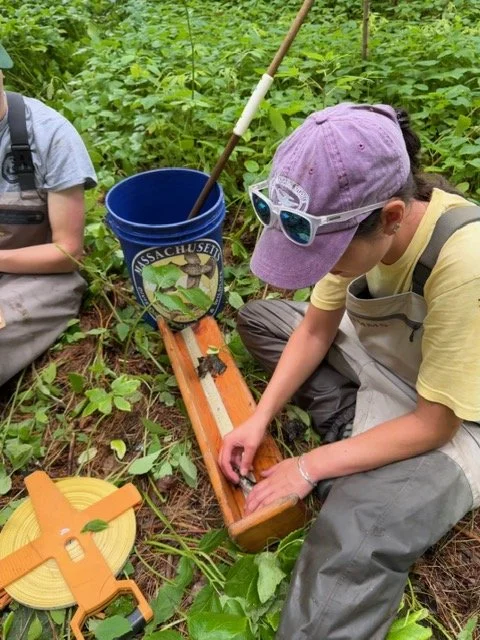
MA NFC Looks at Small Brook Trout Stream for Possible Holistic Assessment...
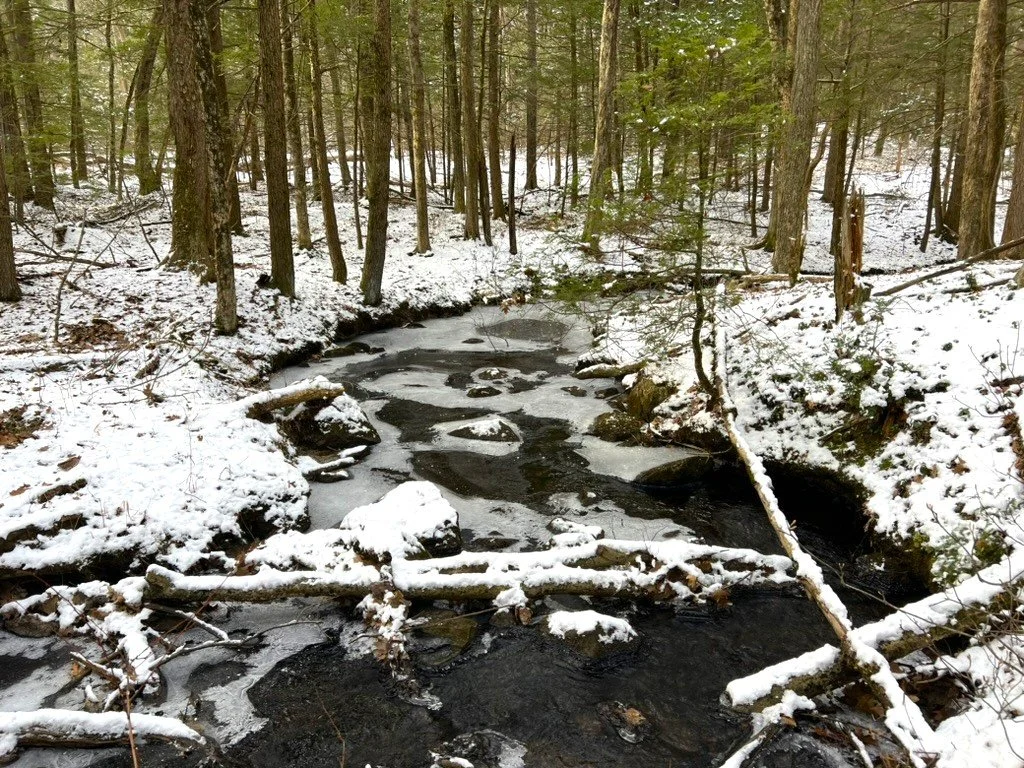
Unnamed brook in early winter…
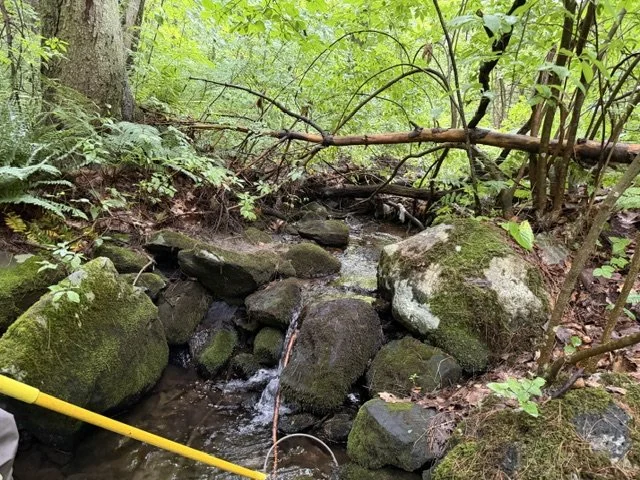
In fall 2025, NFC was contacted by a landowner in central Massachusetts who was concerned with regard to changes he noticed on a small brook running through his property. NFC agreed to take a look and did a physical reconnaissance of the property. We also reached out to MassWildlife to obtain any historical data they had on the stream.
As is often the case, NFC will not name the stream due to its small size and lack of protective regulations. The condition of the wild native brook trout population is also not known at this time. We do however know that the area has suffered several years of droughts conditions and warming weather. As a result, we don’t want to add any pressure to the stream.
As it turned out, the stream had not been surveyed since July 2010. At that time, the stream was found to be home to a solid population of 4-5-inch wild native brook trout:
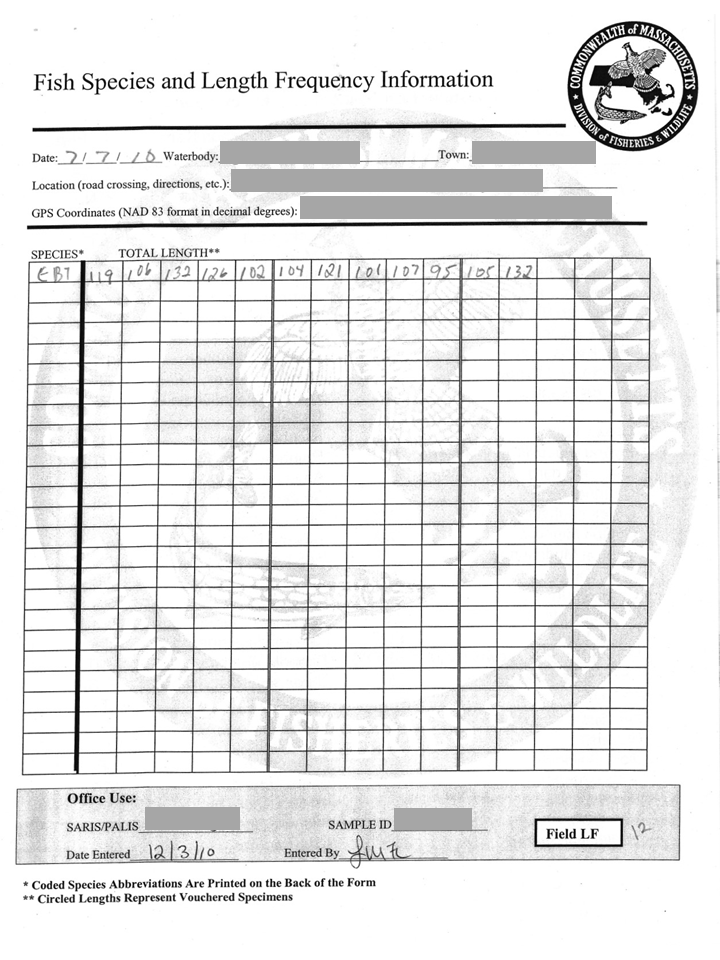
2010 MassWildlife E-Fishing Data…
And while not perfect, according to MassWildlife, stream conditions were said to suitable to support a year-round wild native brook trout population:
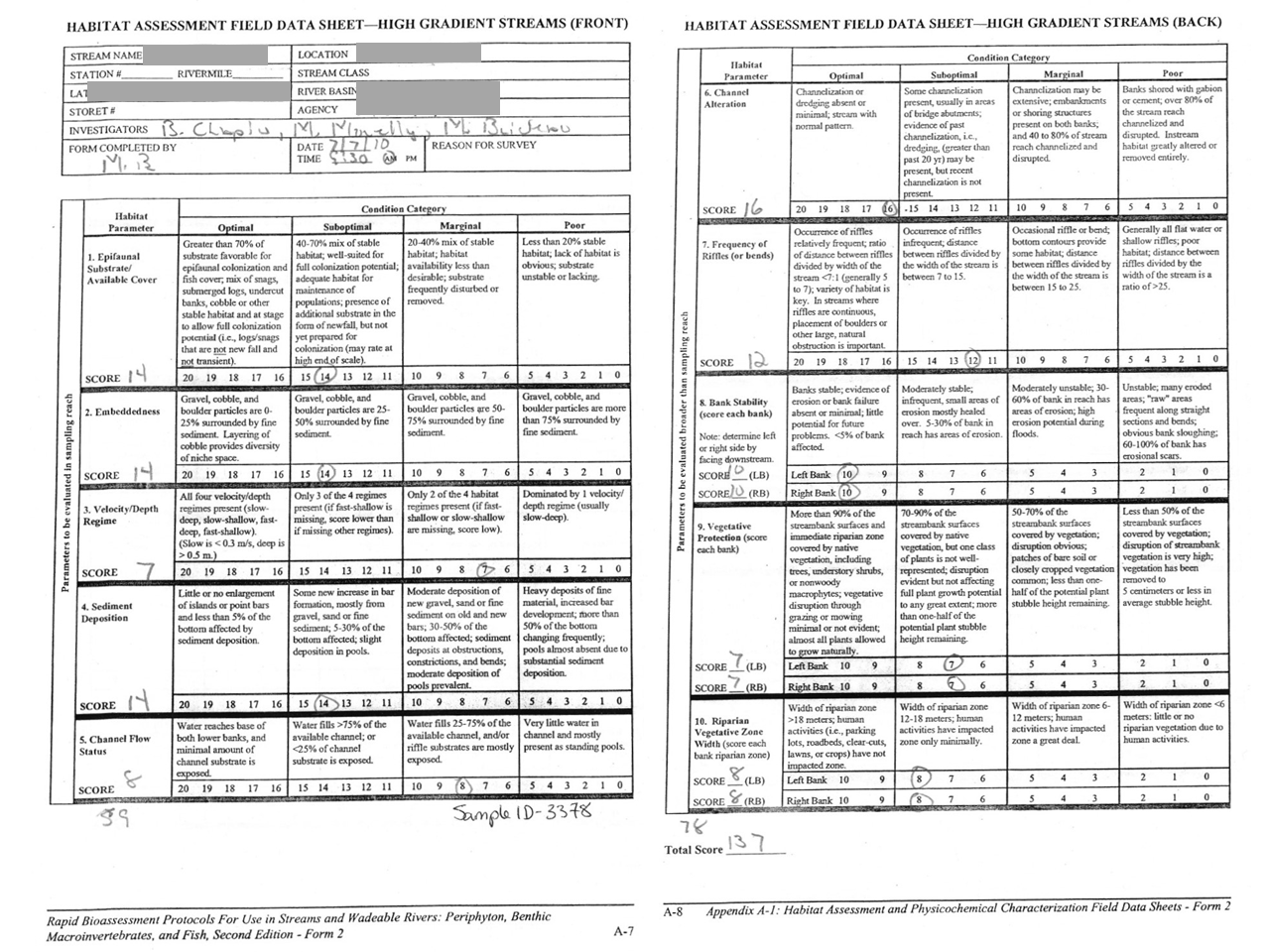
2010 MassWildlife Habitat Assessment…
NFC also looked at satellite images to see what we could find. As we have seen elsewhere in Massachusetts, there appears to be some notable impounding on the stream which could be warming the water and blocking fish passage:
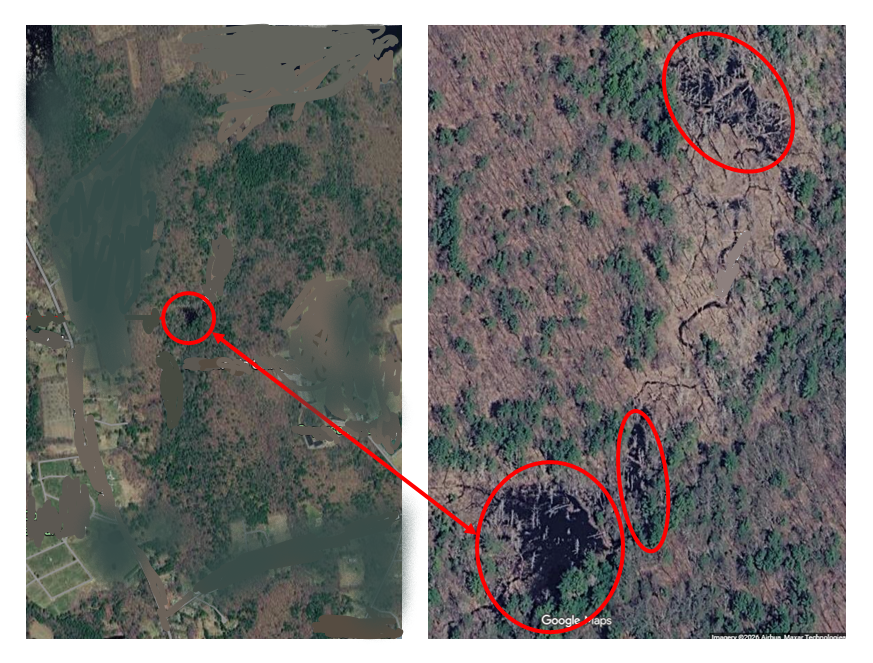
Impounded water likely due to beaver activity…
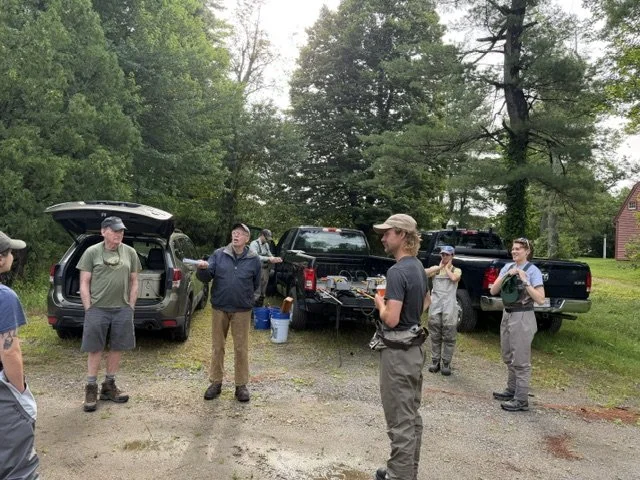
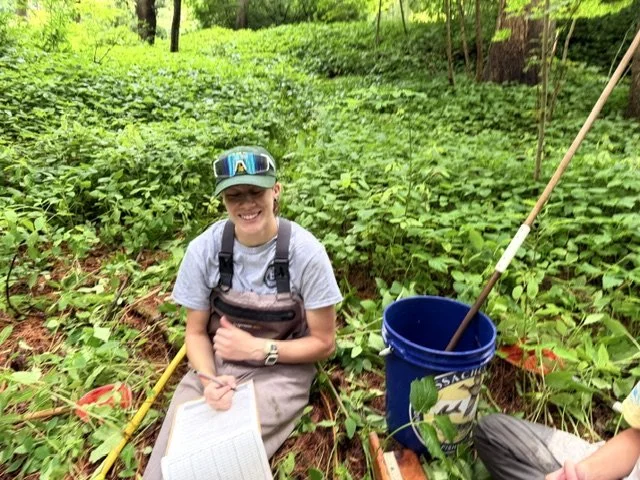
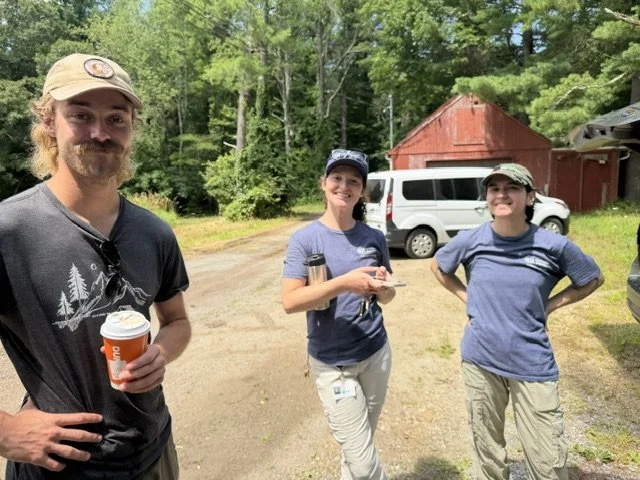
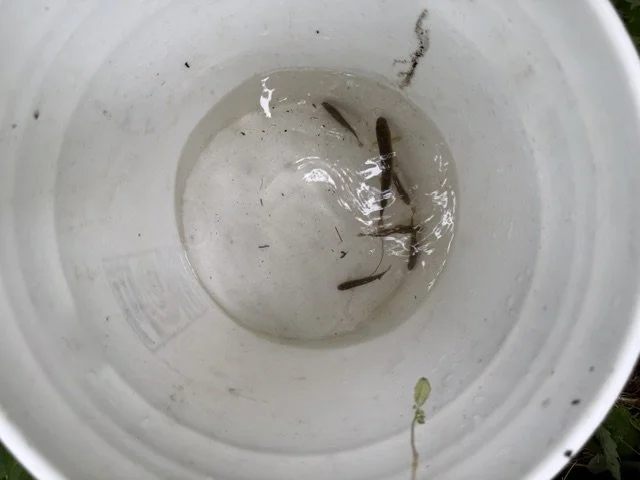
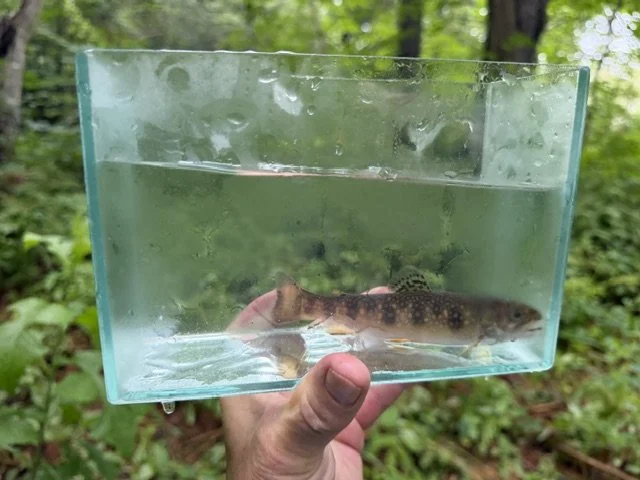
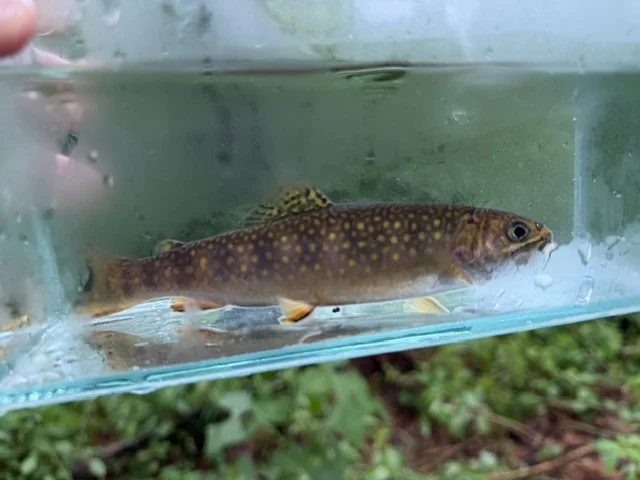
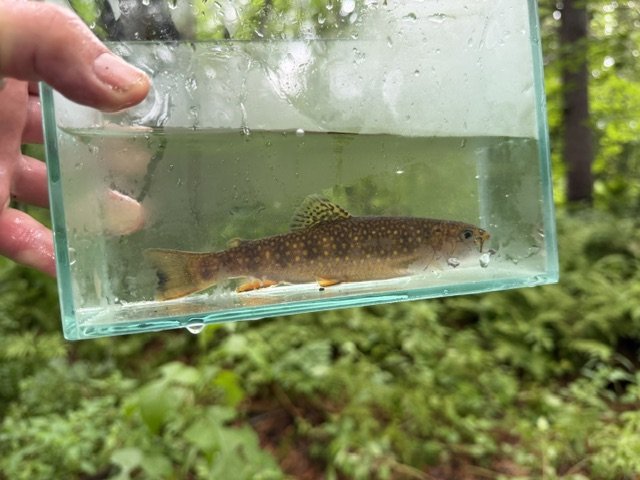
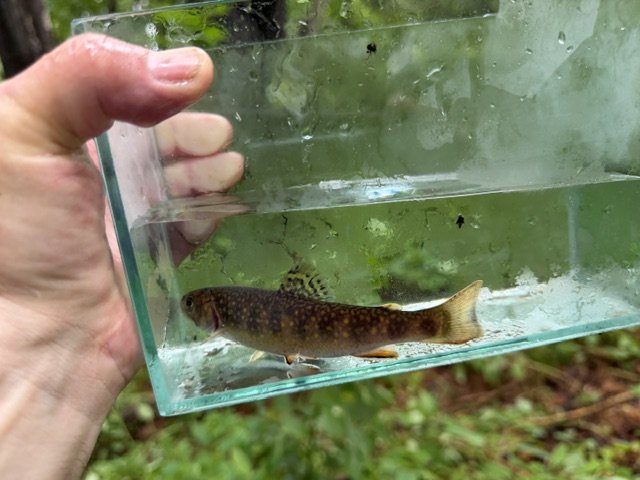
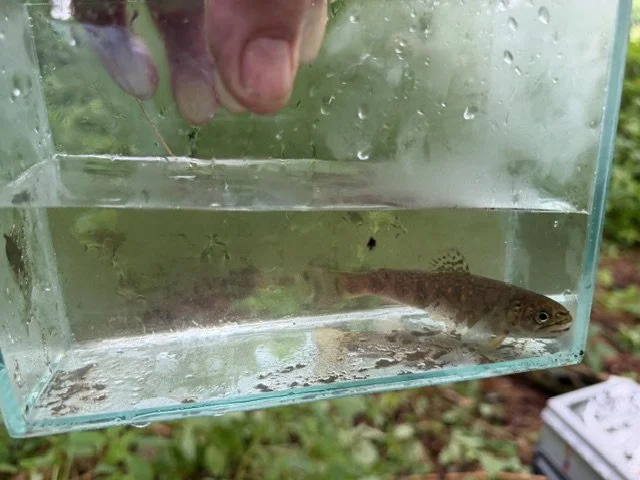
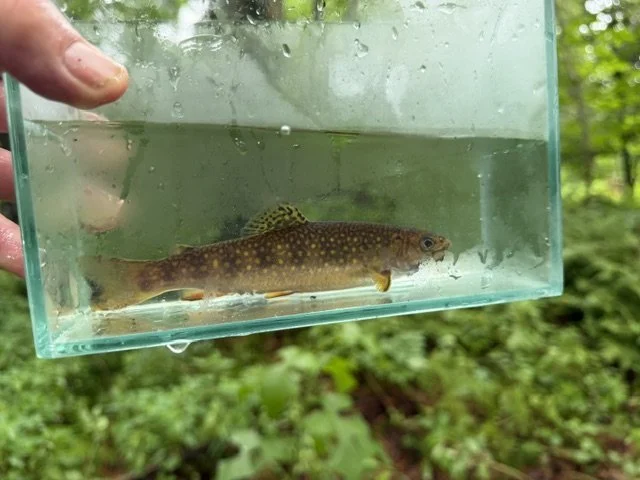
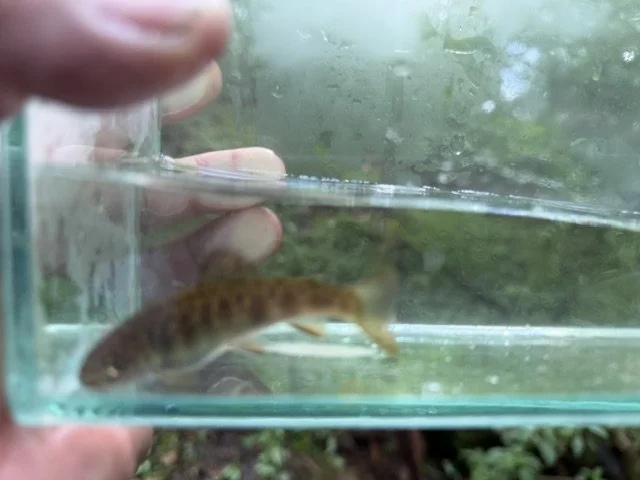
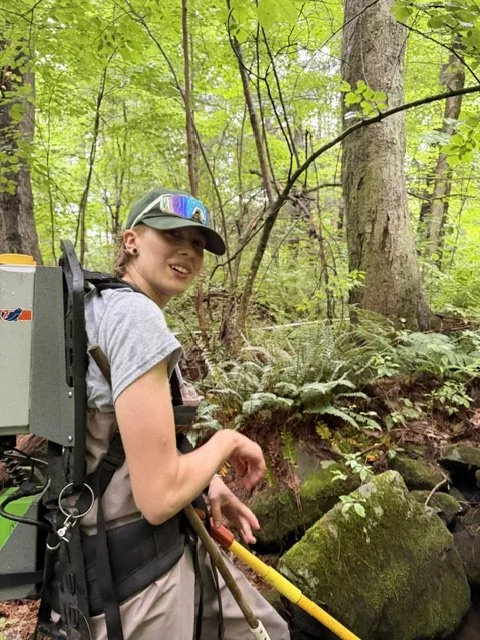
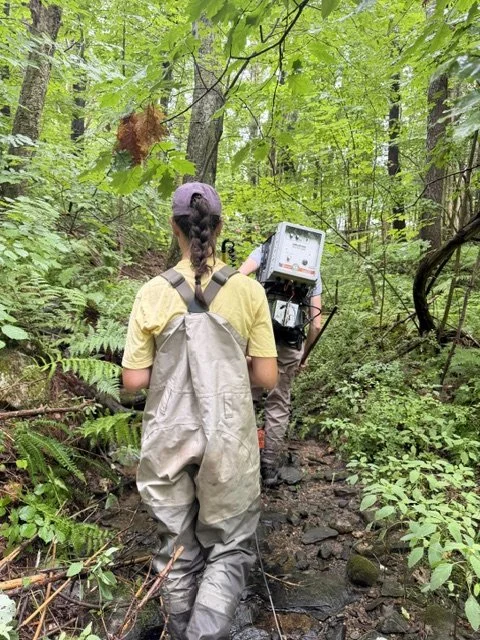
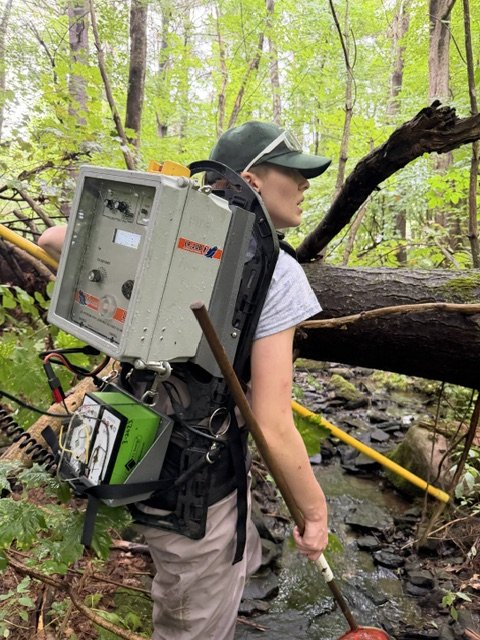
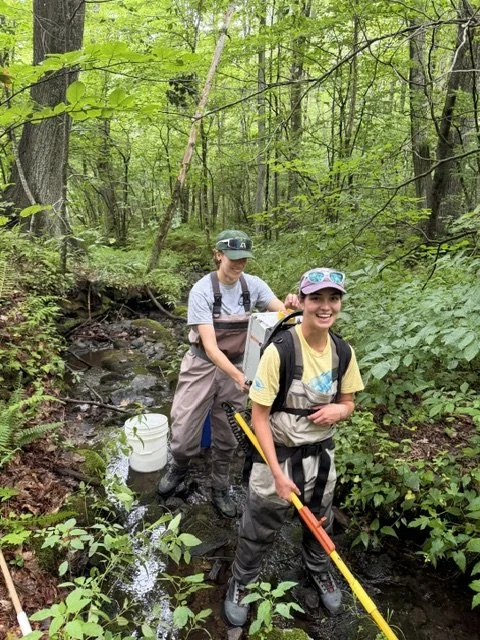
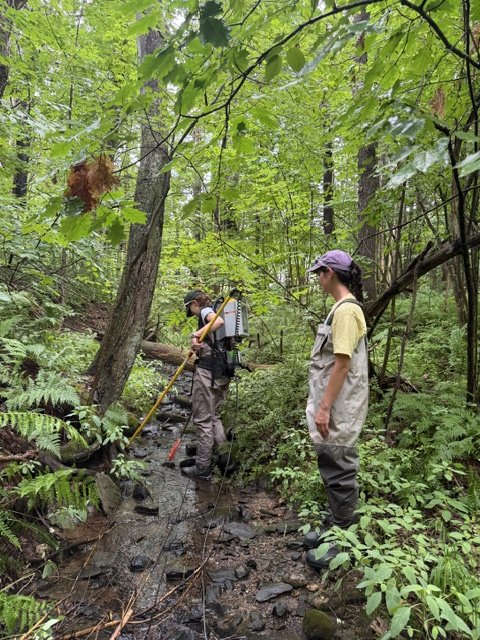
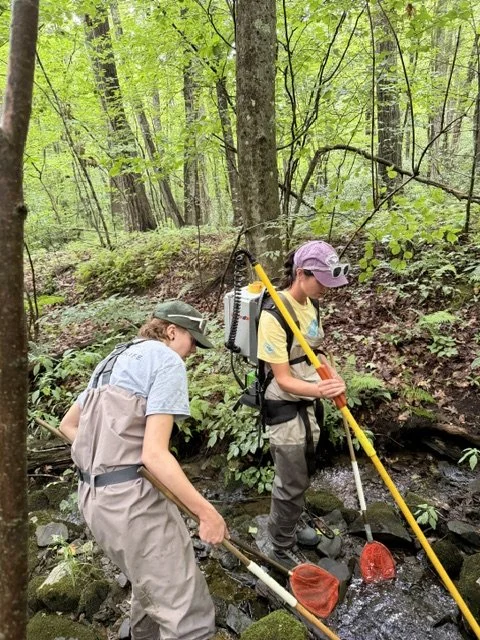
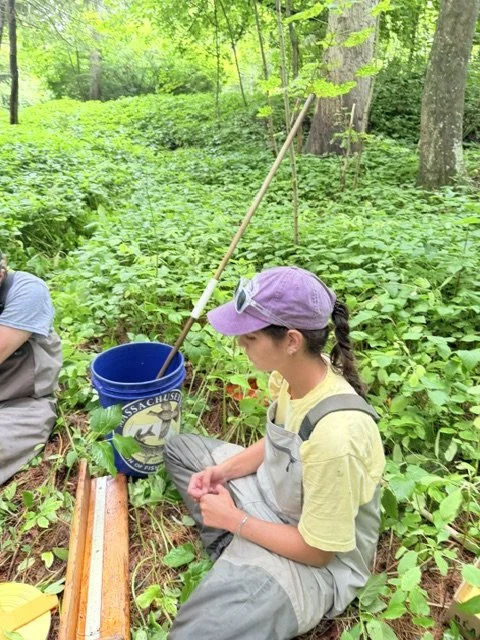
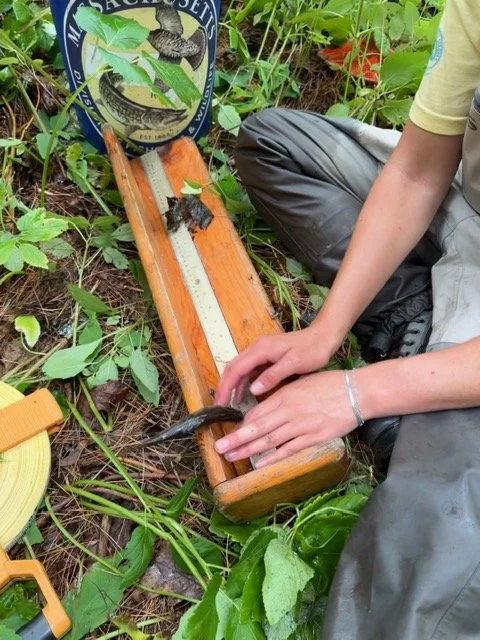
On July of 2026, NFC assisted MassWildlife and other volunteers with e-fishing the stream. The group accessed the stream from two sites. As was the case in 2010, wild native brook trout were encountered in both sites. Only brook trout were encountered in the upstream site, while the downstream site also captured several warmwater fish species.
The size of the brook trout captured were consistent with the 2010 surveys with fish from 3” to 6”. Numbers were similar as well. Fish numbers were higher in the upstream site than they were in the downstream site.
The data collected in 2026 will be compared to the data from 2010 to see if there are any notable differences. NFC also plans to do some more physical inspection and possibly some season long temperature logging in 2027.