NFC Merchandise - General Policy
Important Note: NFC is in the process of streamlining our merchandise offering. items will be evaluated based on sales and national appeal, cost, minimum order quantity, what the market will bare, and branding value. The goal is to obsolete items that do not sell well, require too much on-hand inventory, don’t yield solid margins, and have limited branding impact.
Background
As a donor-funded non-profit, NFC views logo merchandise as more than just branding and promotion. We also use it as a way to raise non-targeted money that allows us to fund the type of projects where grants are not always available.
Branding and promotion without profit is not easy to defend when you are spending other people’s money. Without tangible gains, the effectiveness is not easy to measure. Branding while making money is very defensible, and in fact, good business. It's like providing matching-funds…
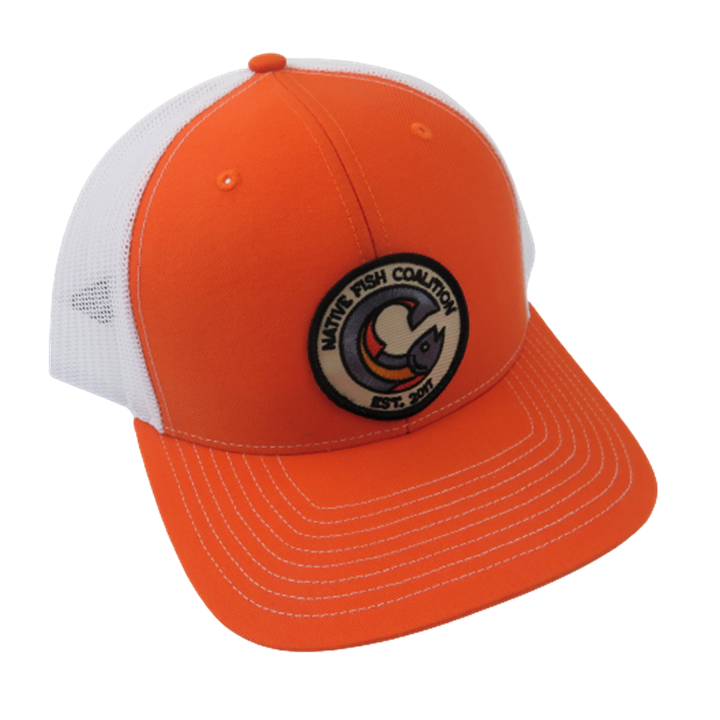
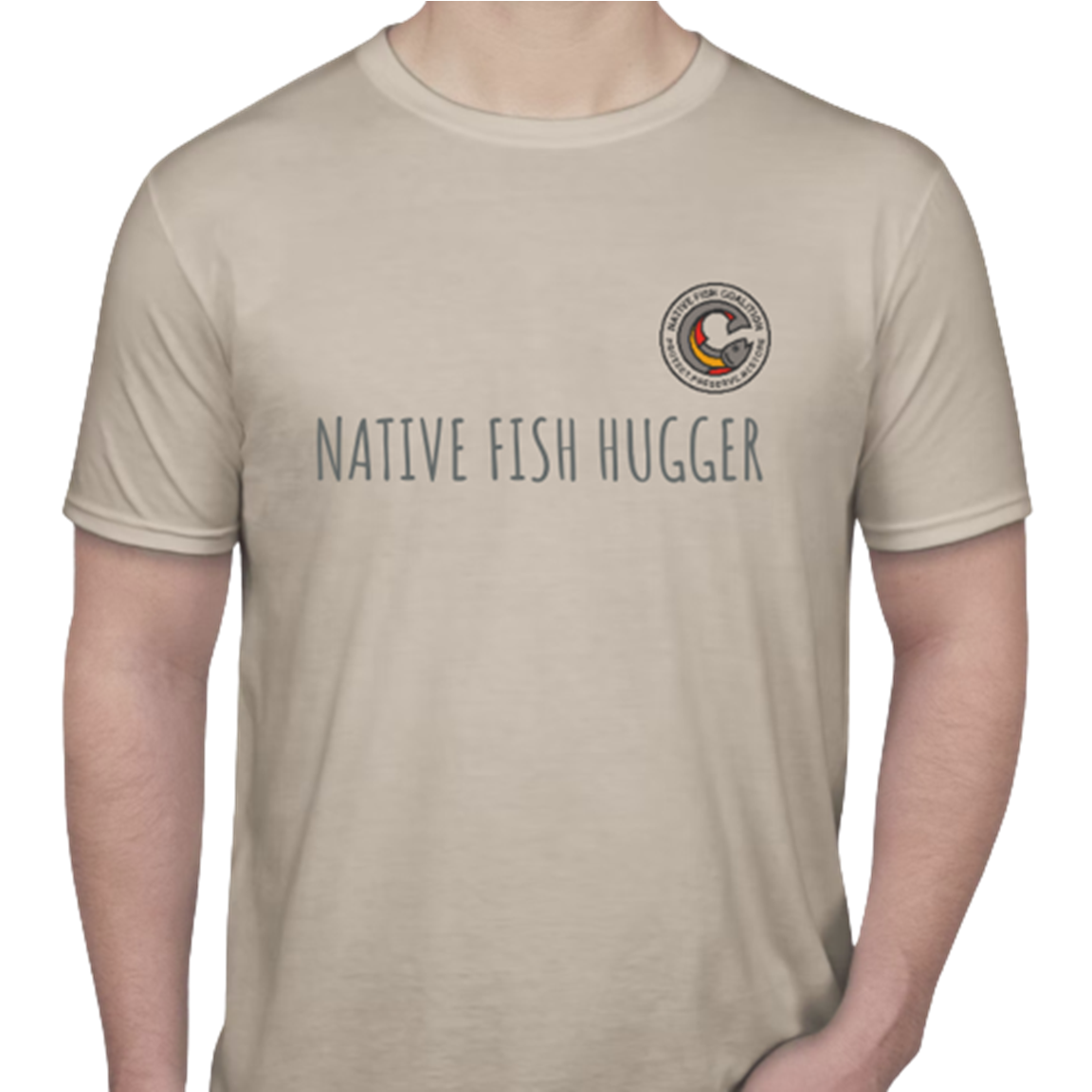
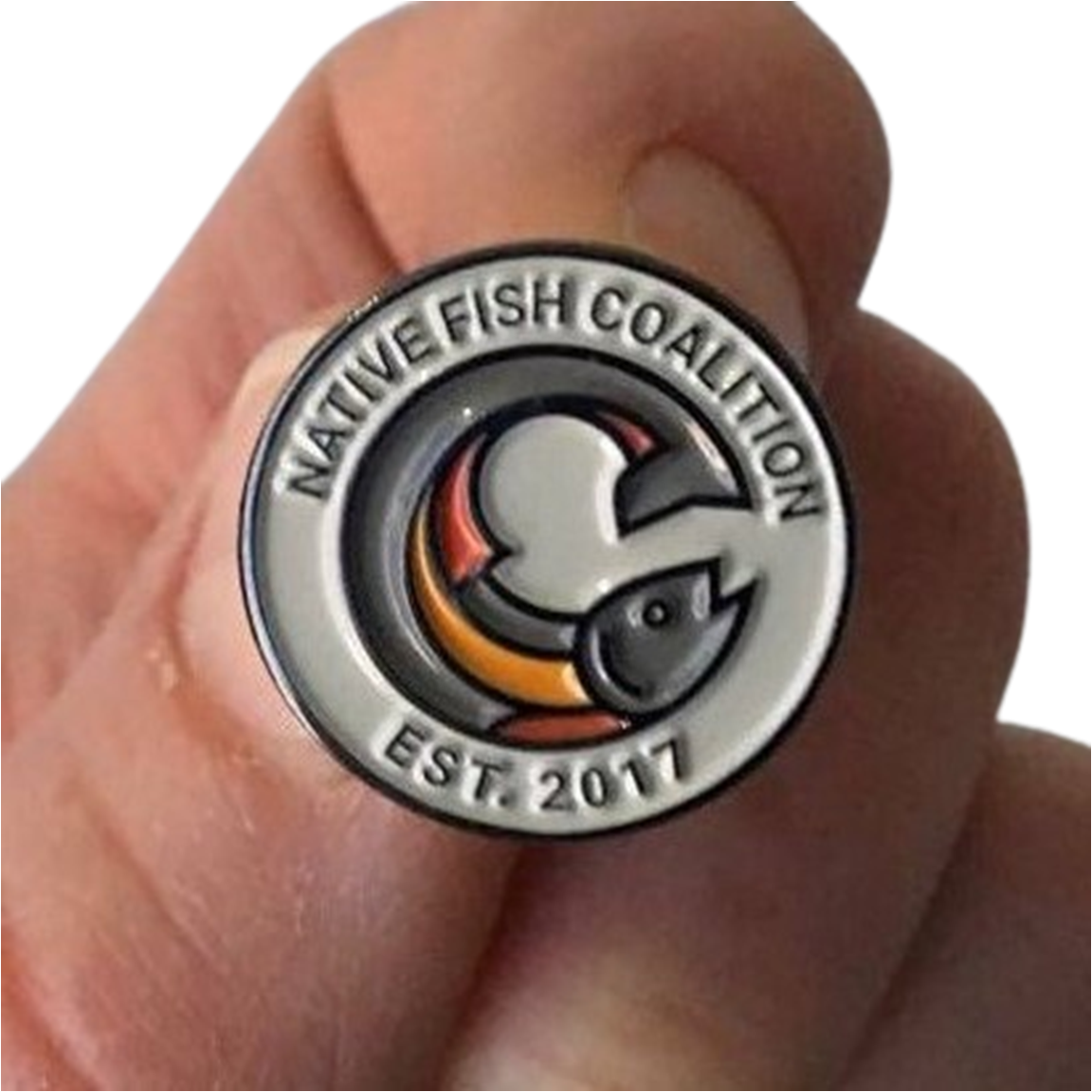
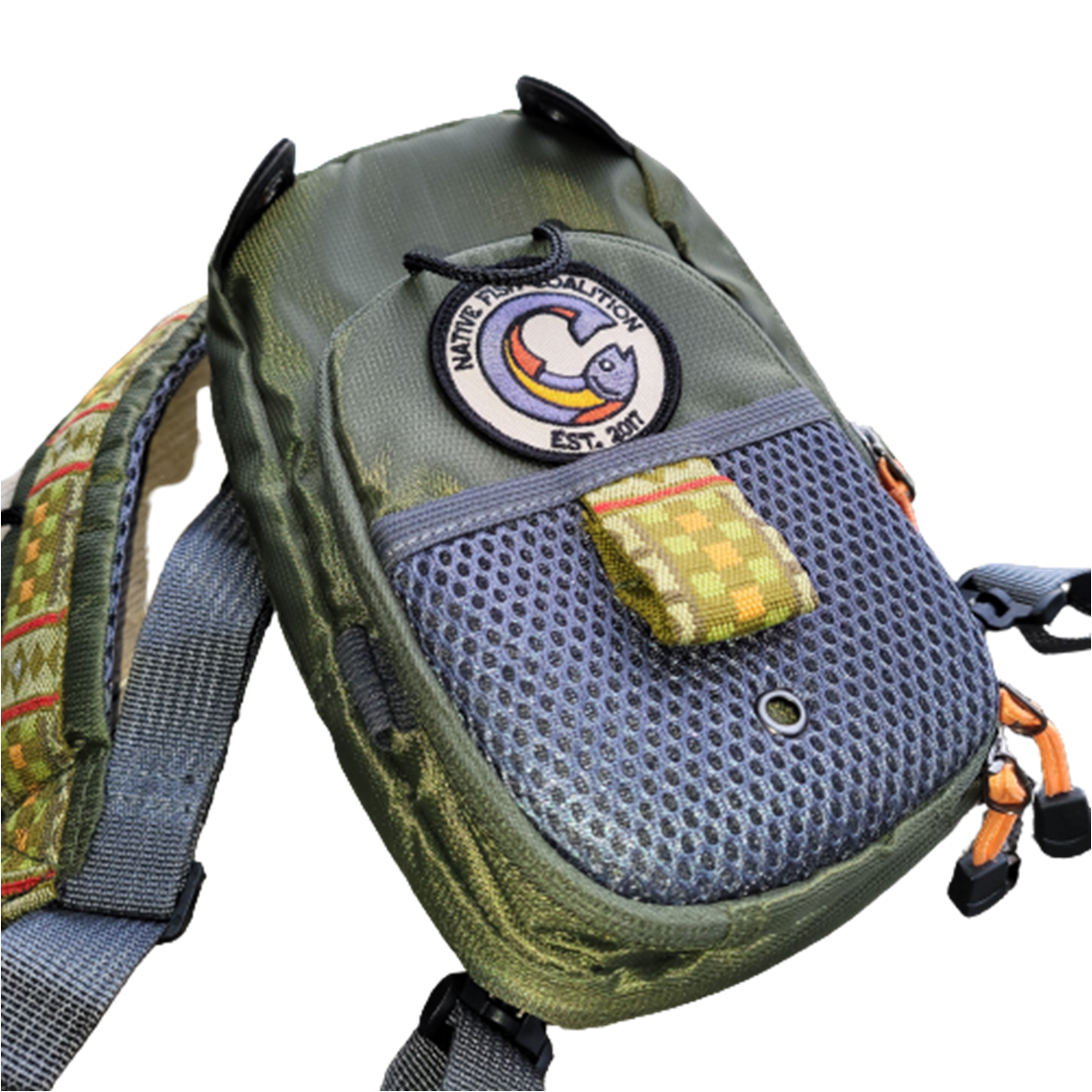
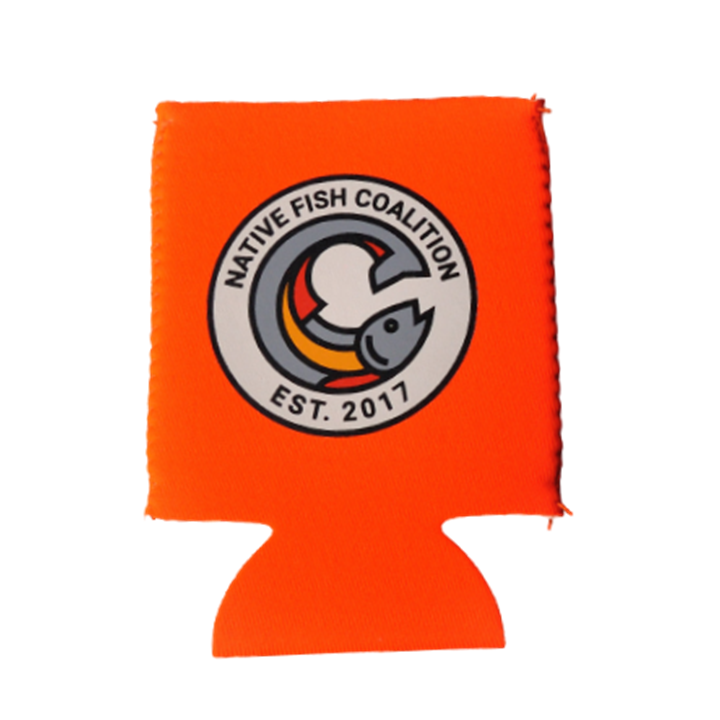
NFC prides itself on having best-in-class logo merchandise and adheres to a high standard in regard to quality.
Policy
All decisions pertaining to NFC merchandise will be made at the National level. While we welcome input in regard to merchandise from NFC board members, regardless of how much you may like something, or how well it might do in your specific market, we need to make decisions based on the big picture. Please understand and honor these decisions as merchandise is a complicated game.
NFC personally designs, selects, procures, warehouses, promotes, sells, ships, and handles customer service for all NFC merchandise. This eliminates middle men, reduces costs, increases margins, and provides a high level of customer service.
NFC holds itself to a high standard in regard to investment, risk, and return-on-investment when it comes to logo merchandise. We control investment and risk by researching, while guaranteeing a good return-on-investment by adhering to standard accepted retail practices in regard to inventory levels, pricing, and margins.
Merchandise prices are set based on fair market value for similar logo merchandise. NFC uses industry leaders such as Simms, Sage, and Winston, as well as comparable non-profits to help determine market value. If we cannot turn a reasonable profit due to cost/price issues, we will not sell the product.
NFC looks to keep merchandise levels down in regard to the number of unique products we carry and how many of each we have on hand. For example, while we like to have a variety of hat styles and colors, we rarely carry more than 3 colors of a specific style.
With the exception of member-written books, all NFC merchandise is logoed. In most cases, we use the standard national logo (Est. 2017). In some cases, we use the national “PROTECT.PRESERVE.RESTORE.” logo. While in other cases, we use specialty logos such as our “Rock Dam Buster”, as well as fish species logos.

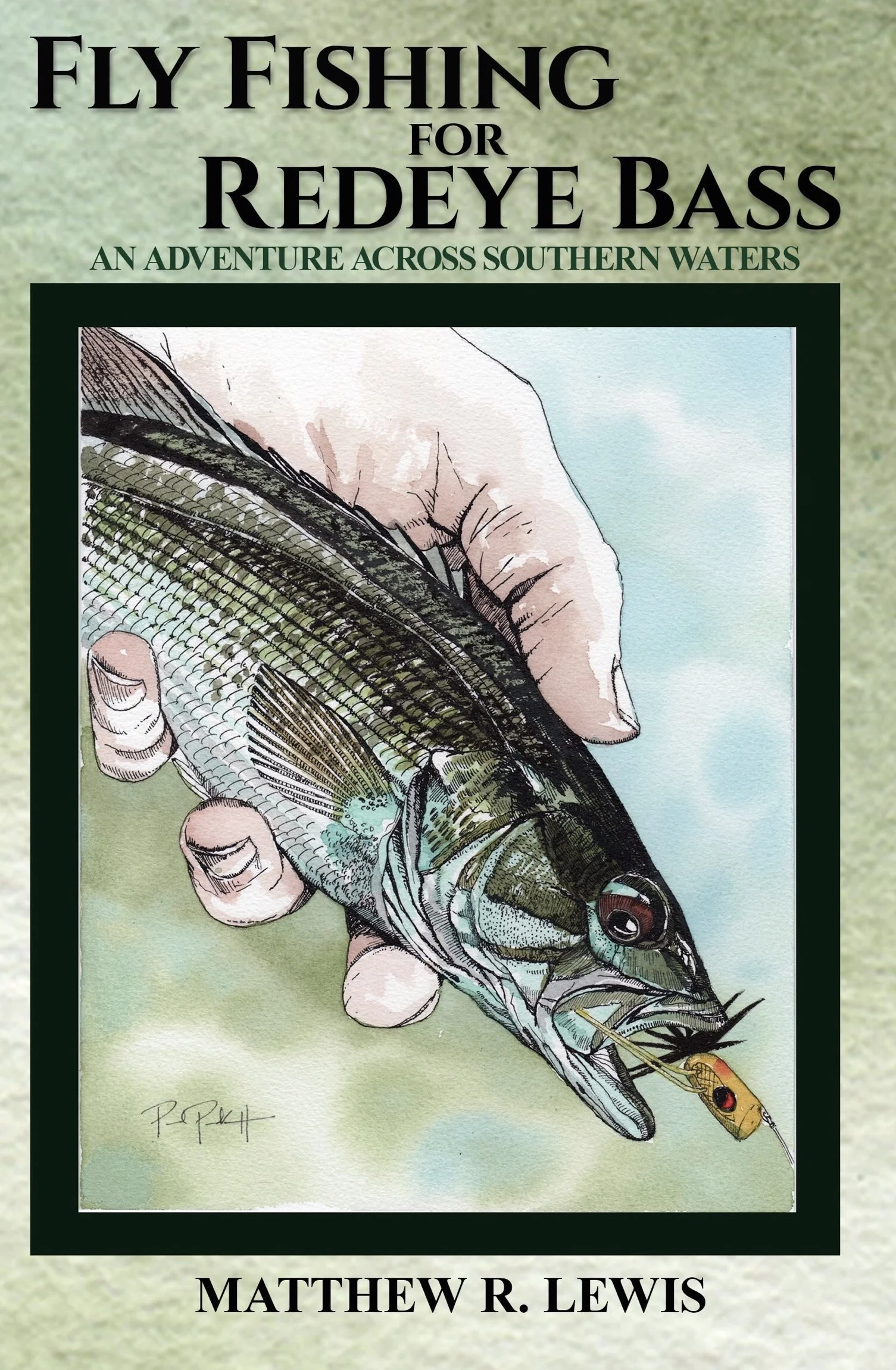

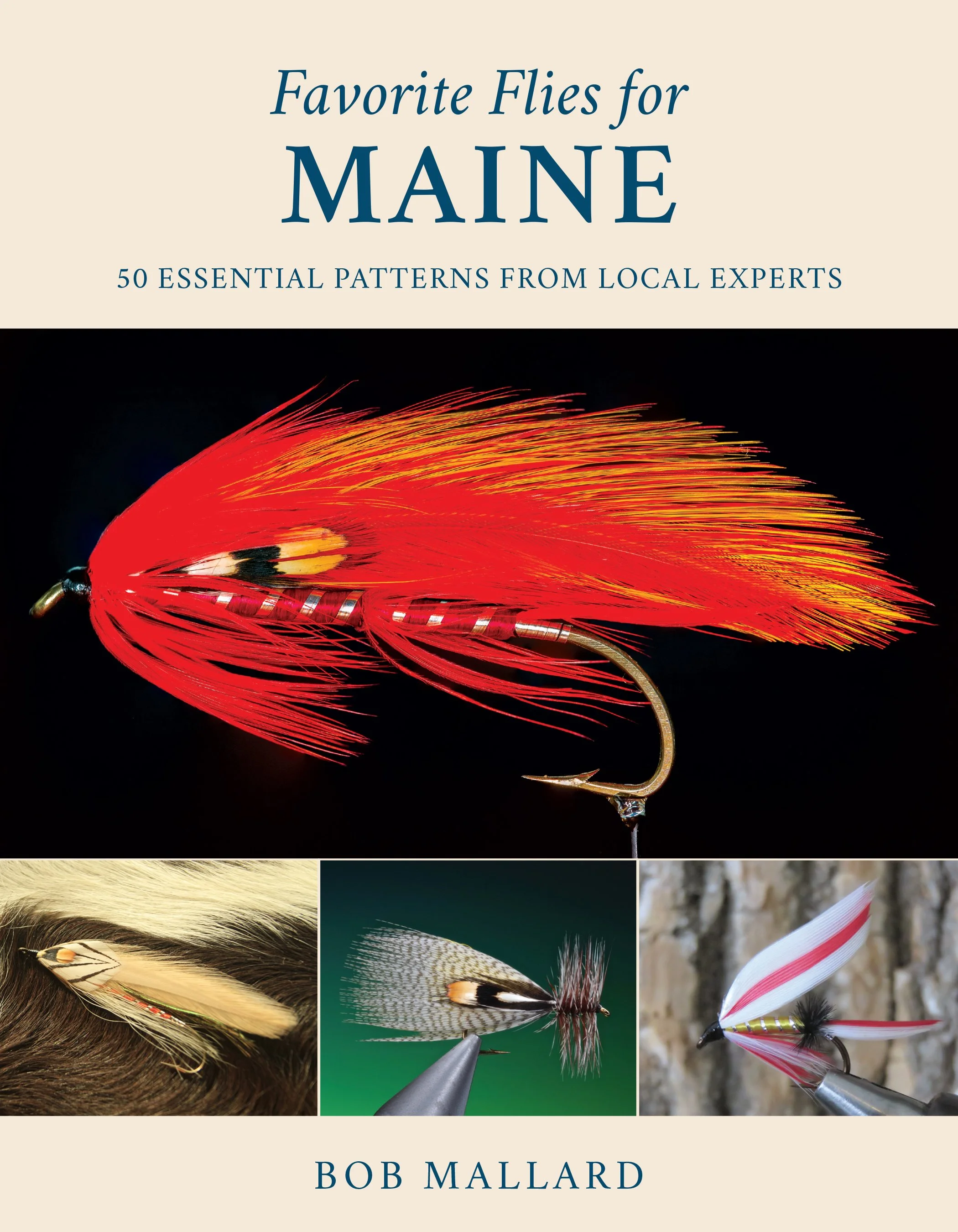

While most merchandise logos are full color, including most hats, and packs, decals, and bumper stickers, we sometimes use a hollow back single color logo in white, black, or something else for items such as drinkware, t-shirts, nets, and specialty hats.
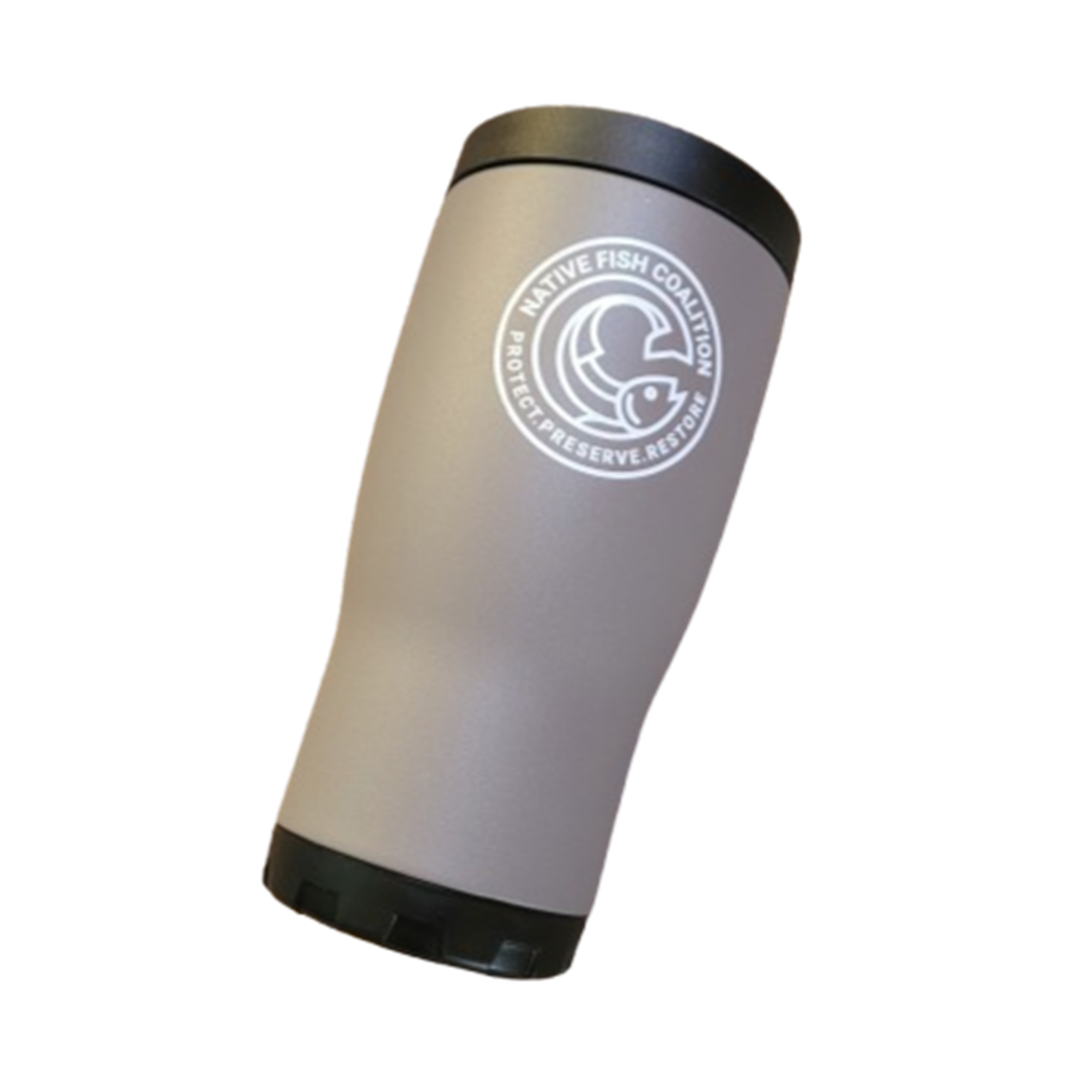
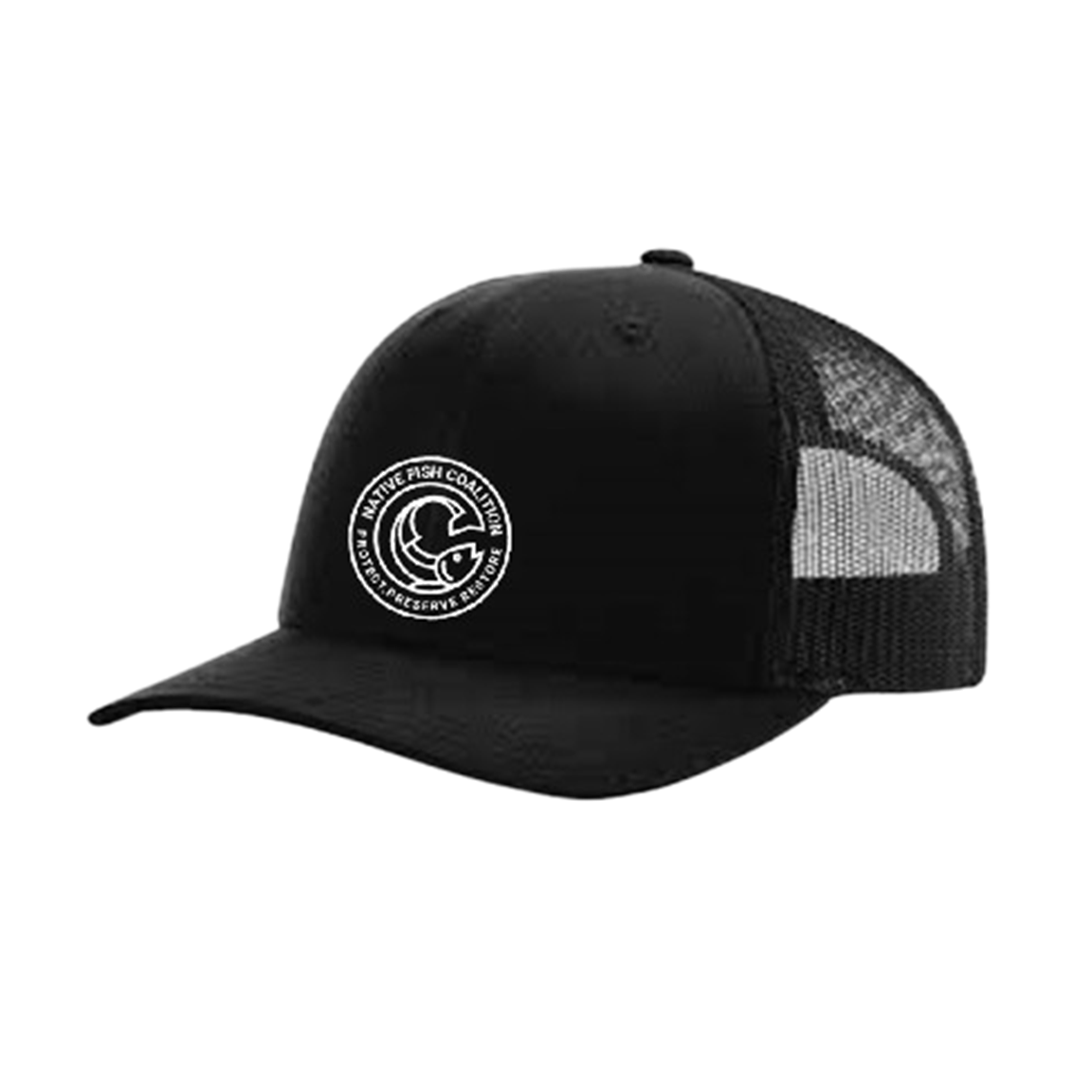
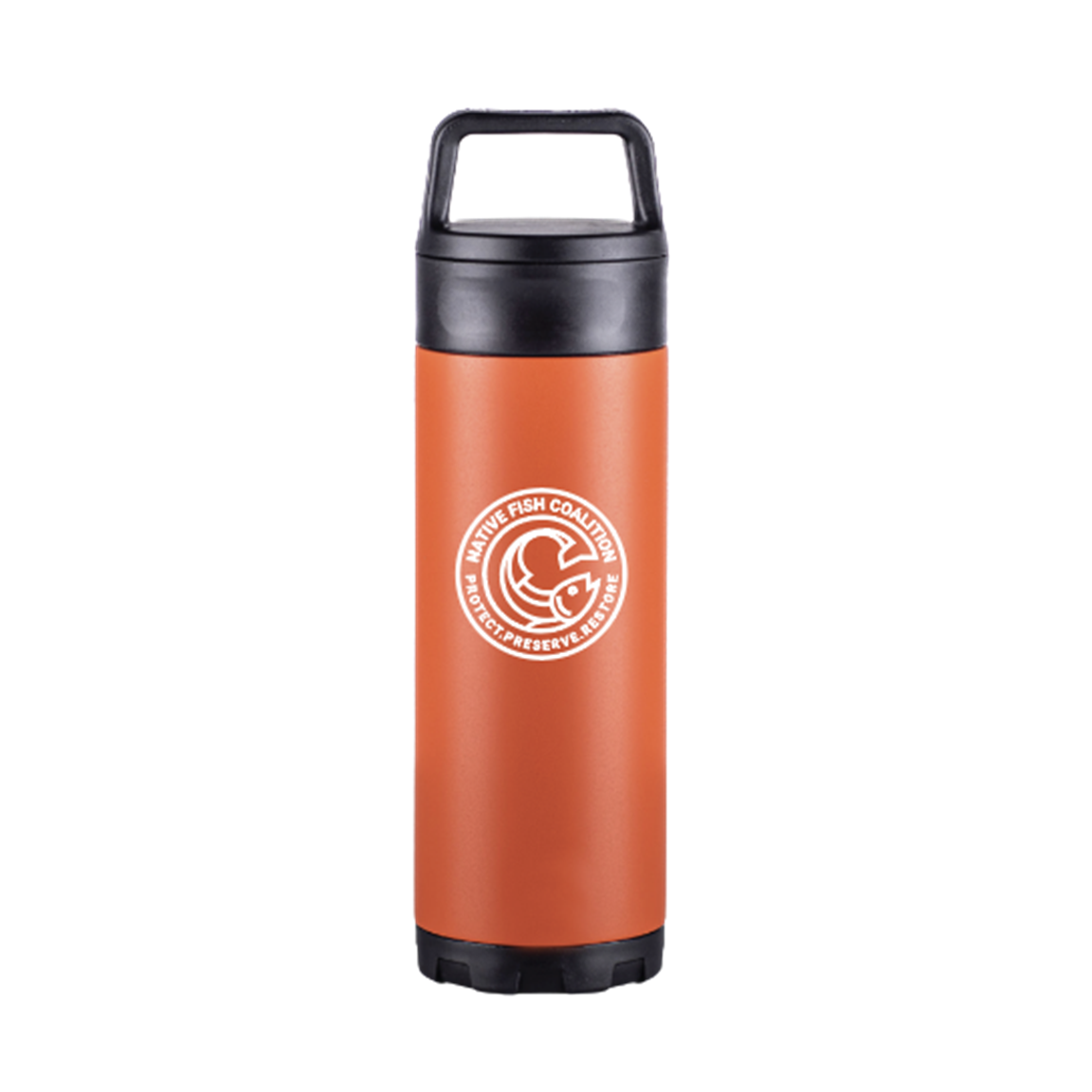
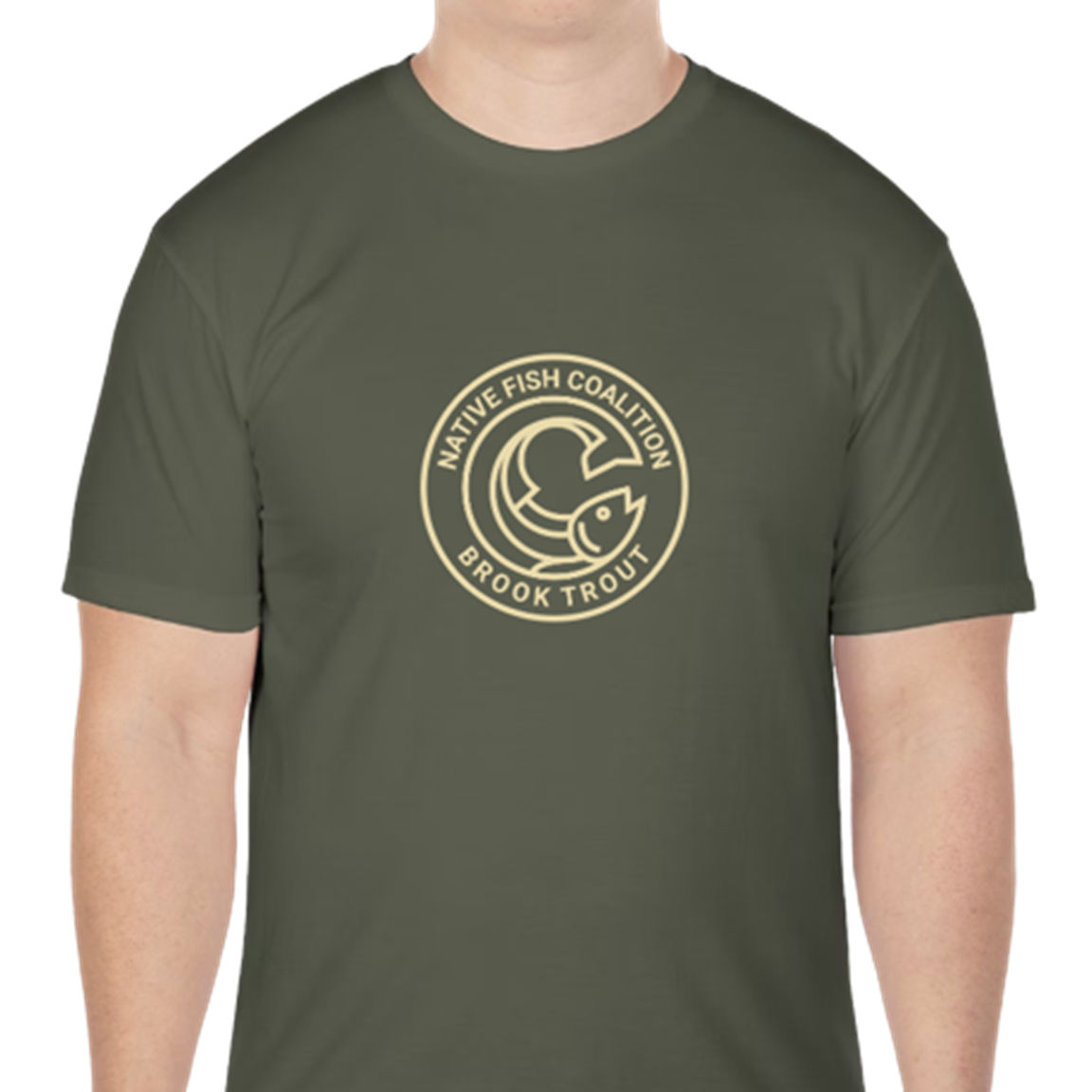
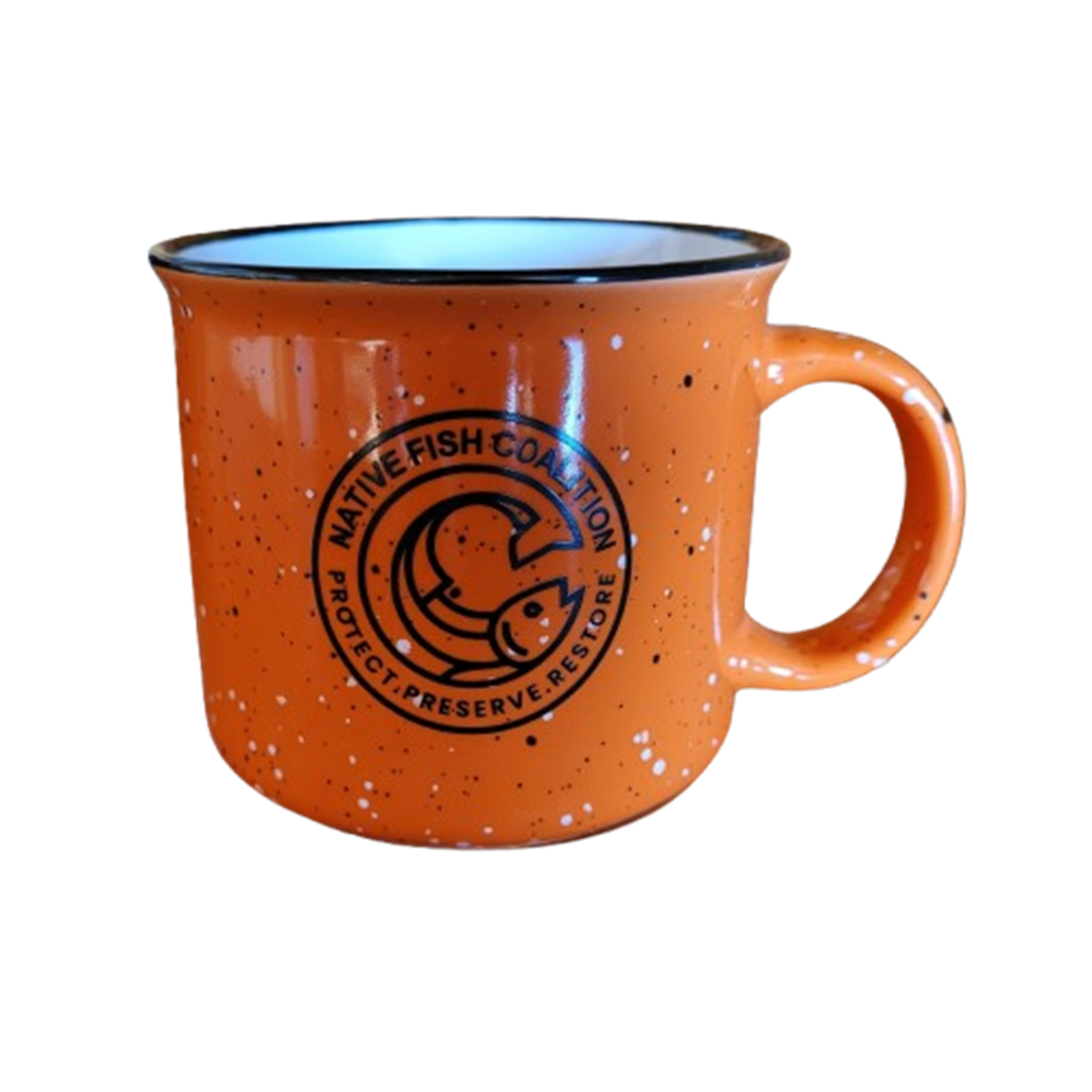
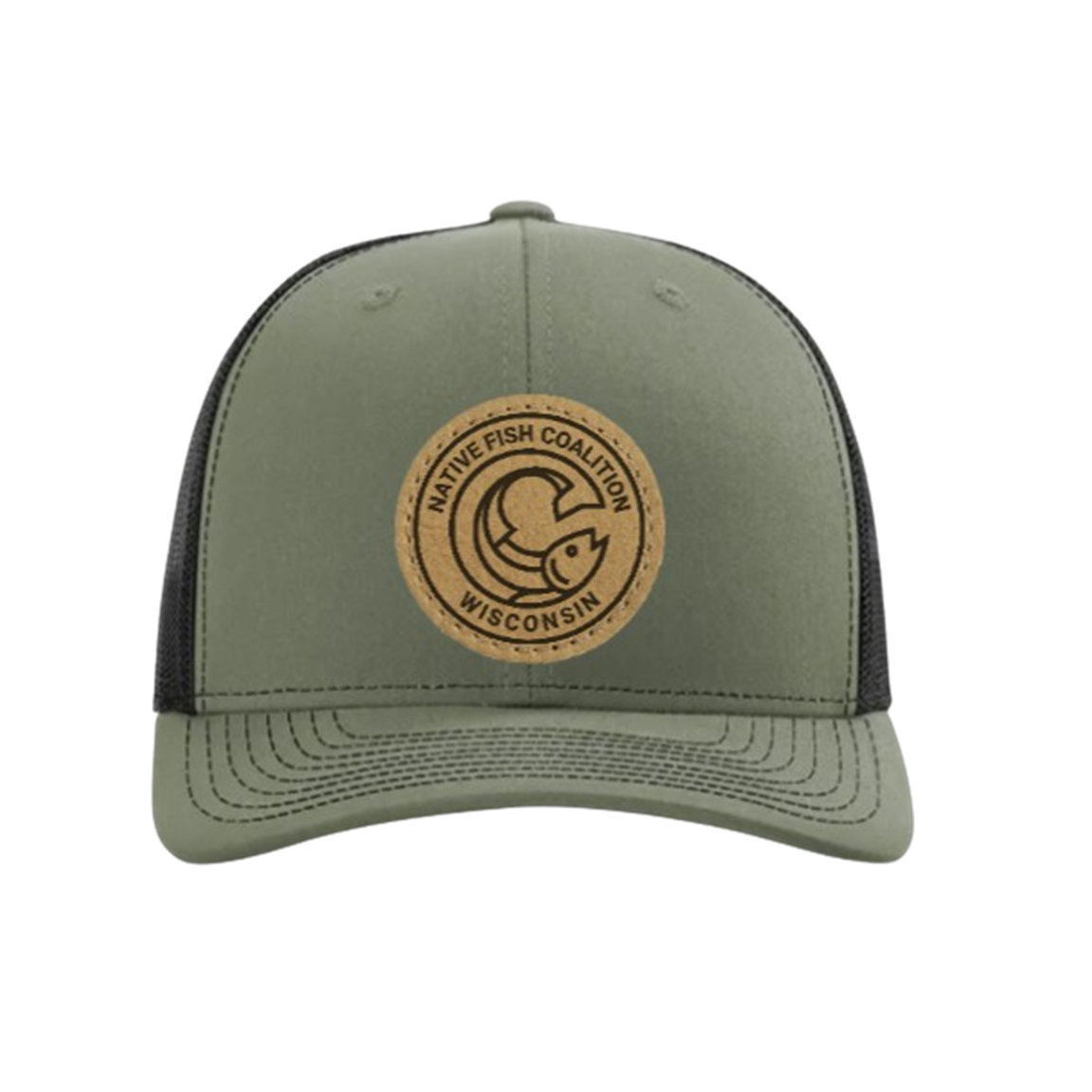
NFC sells all available merchandise through our online secured store.
Our store accepts credit cards, PayPal, Google Pay, and Apple Pay.
NFC manages inventory at the national and chapter level. We maintain spreadsheets at both levels that track purchases to date, quantities on hand, quantities sold, minimum on hand quantities, and recommended order quantities.
Chapters will be provided with NFC merchandise to sell at shows and events. National NFC will provide merchandise free of charge and cover the shipping costs to get it to the chapter.
Chapter level merchandise will be representative of a subset of the store items based on historical sales and local applicability.
Chapters must sell NFC merchandise at our standard retail cost which is the online store cost less shipping.
Chapters will be provided with updated merchandise price lists periodically.
Chapters are required to provide national NFC with an updated inventory list after each show or event.
Requests for additional inventory or replacement inventory must be submitted with an up to date inventory list.
Summary
When it comes to logo merchandise, you cannot satisfy everyone. The key is to appeal to the largest demographic possible so as to maximize sales, minimize obsolesce, and turn inventory. This is accomplished by reviewing internal sales numbers, consumer reviews and ratings, and market trends.