Safety: Proper Fieldwork Attire
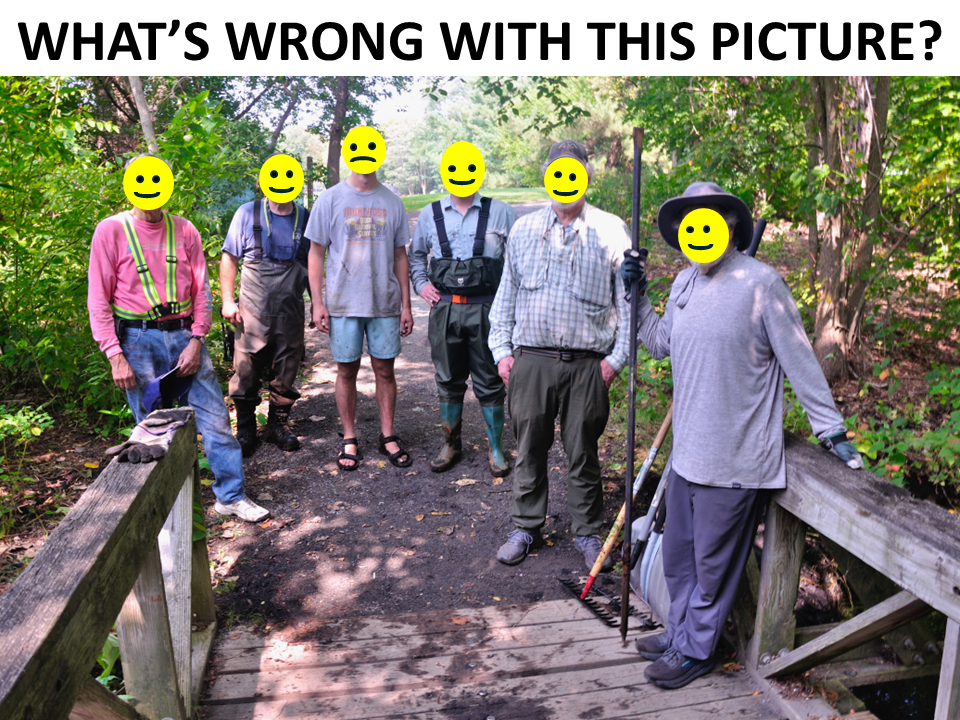
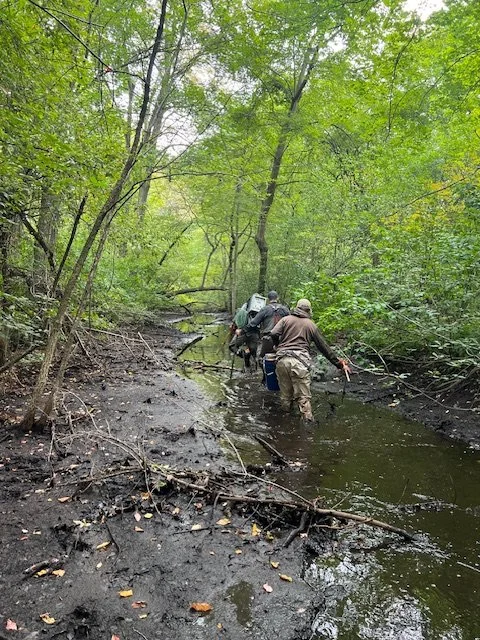
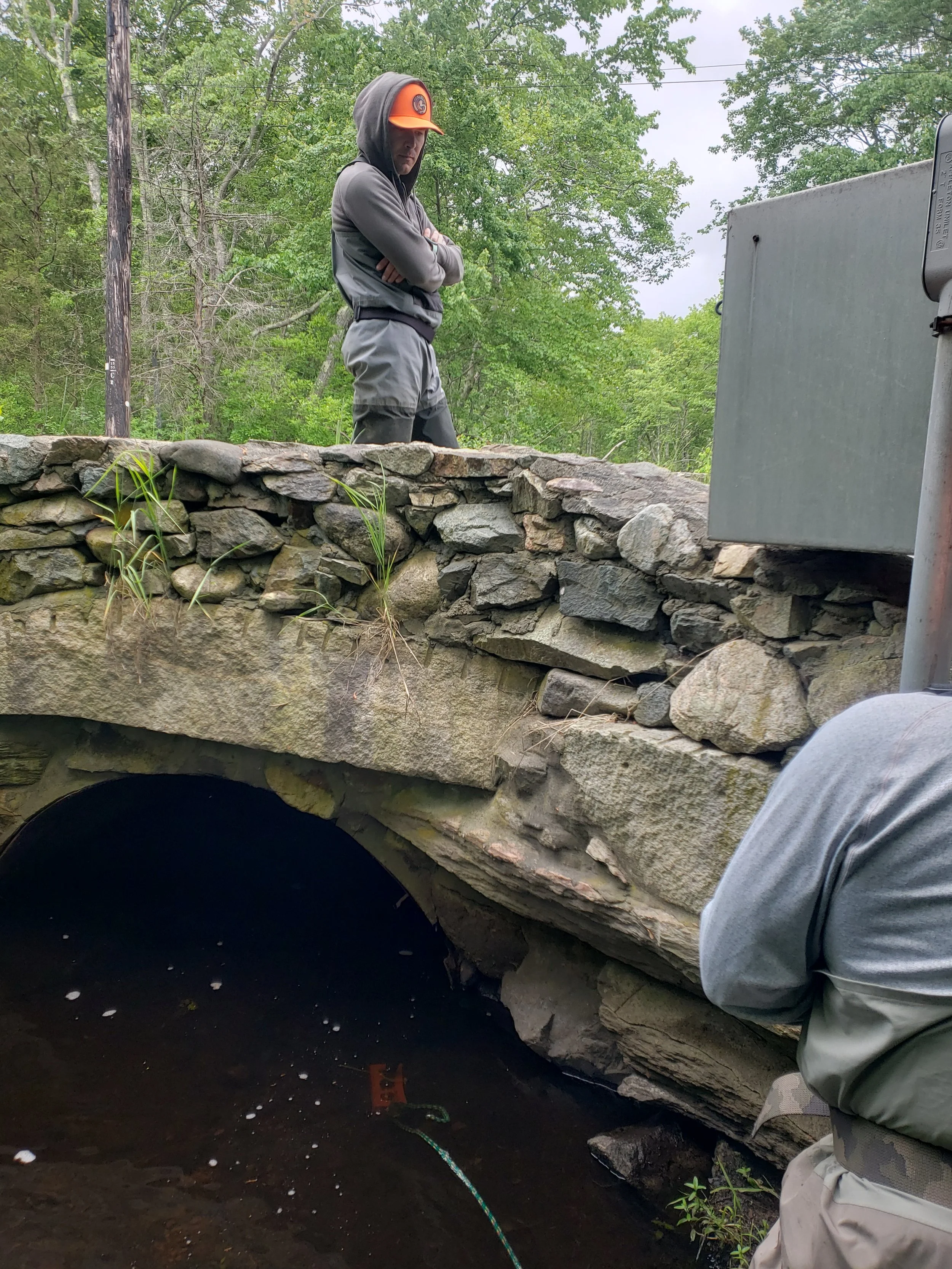
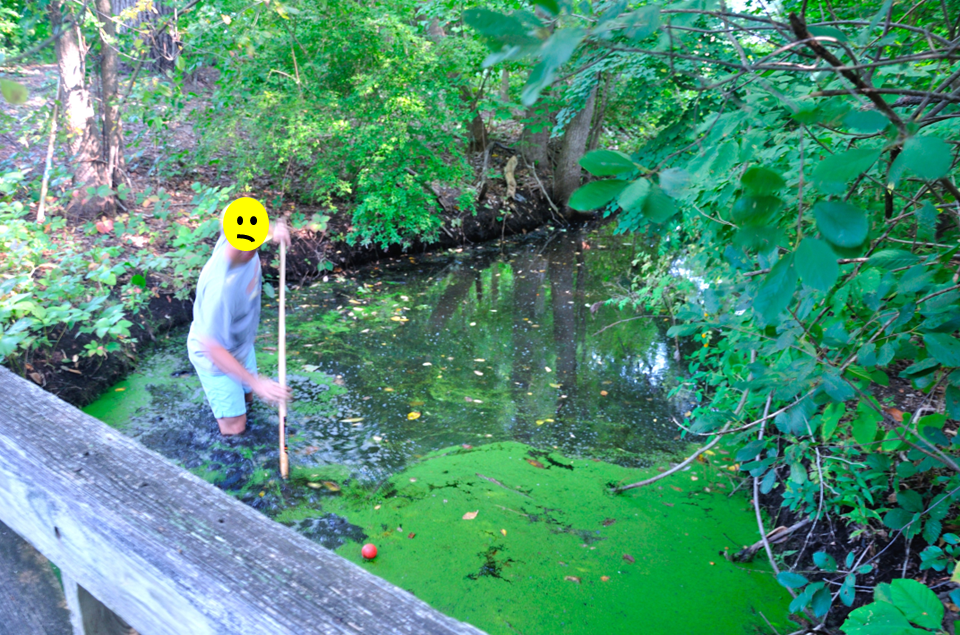
The three gentlemen in the back, all current or former NFC board members, are getting ready to climb into an suburban-urban stream with the intentions of clearing debris from underneath a small pedestrian footbridge to improve stream flow and fish passage...
Background
One of the most important things to NFC is safety, especially the safety and well-being of our board members. Much of what we do is in and around the water. Any time you are working or recreating in and around water there are risks due to litter, aged and degraded infrastructure, pollution, etc.
The stream noted in the photo above has 3+ feet of accumulated decaying organic matter. People have been discarding litter into the stream, including glass and discarded metal, for decades. Other litter is washed into the stream with stormwater.
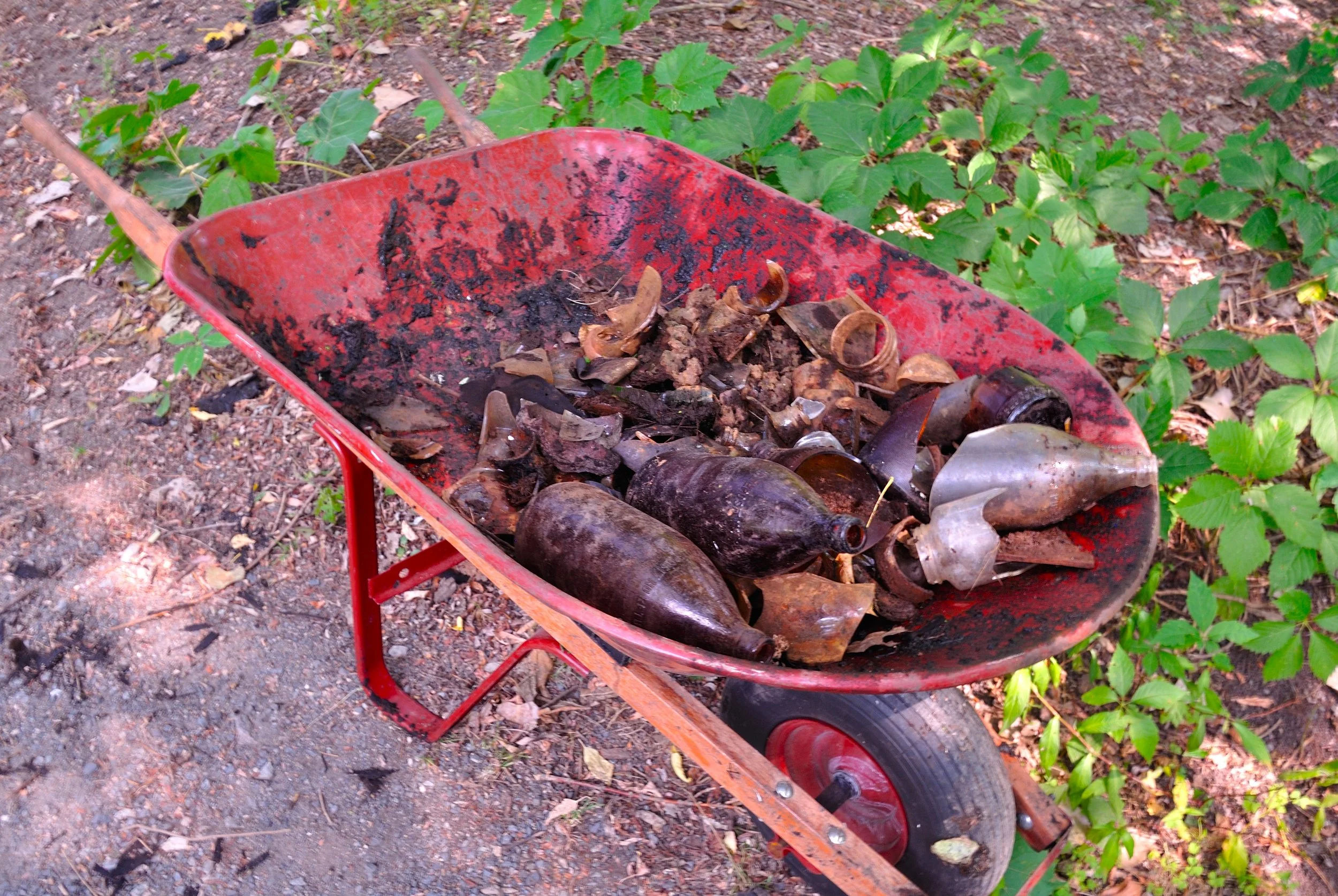
Broken glass found streamside on an NFC project stream during an unrelated project…
The regularly occurring stormwater intrusions also bring in petroleum, herbicides, pesticides, fertilizer, as well as some level of untreated sewer seepage. And there is also the possibility of encountering rusted nails and other sharp objects.
In addition to the obvious safety hazards, working in and around water often means pushing through brush and thorns, and climbing over fences, walls, and other obstructions. In doing so, it is easy to get scratched or even cut.
Entering contaminated water with a scratch or open wound can result in infection. Stepping on a rusty nail or piece of metal, or cutting your foot on glass while in the water can cause tetanus, a potentially life-threatening ailment.
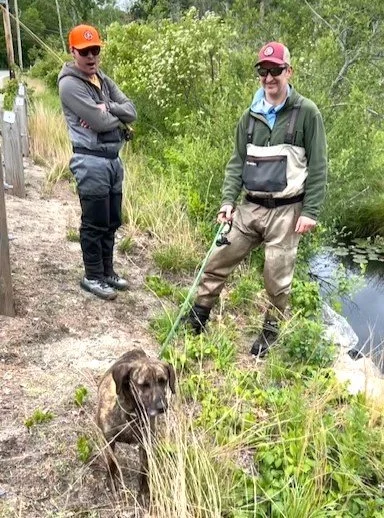
The three people in the center back of the picture above are all about to enter the stream to work. The two on the right and left are dressed appropriately for stream work in waders and wading boots. The one in the middle is wearing shorts and sandals, which is not proper attire for fieldwork under these conditions…
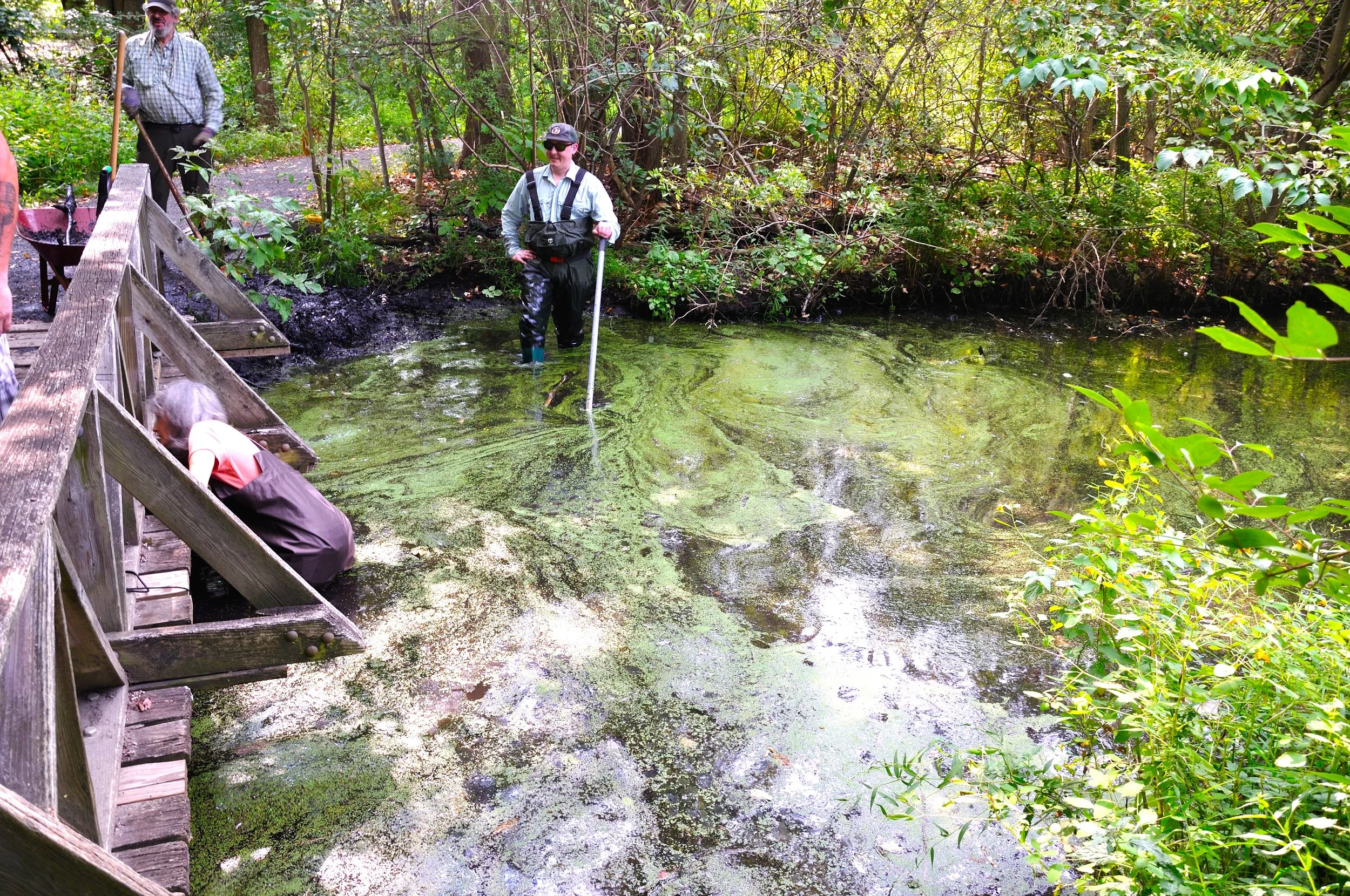
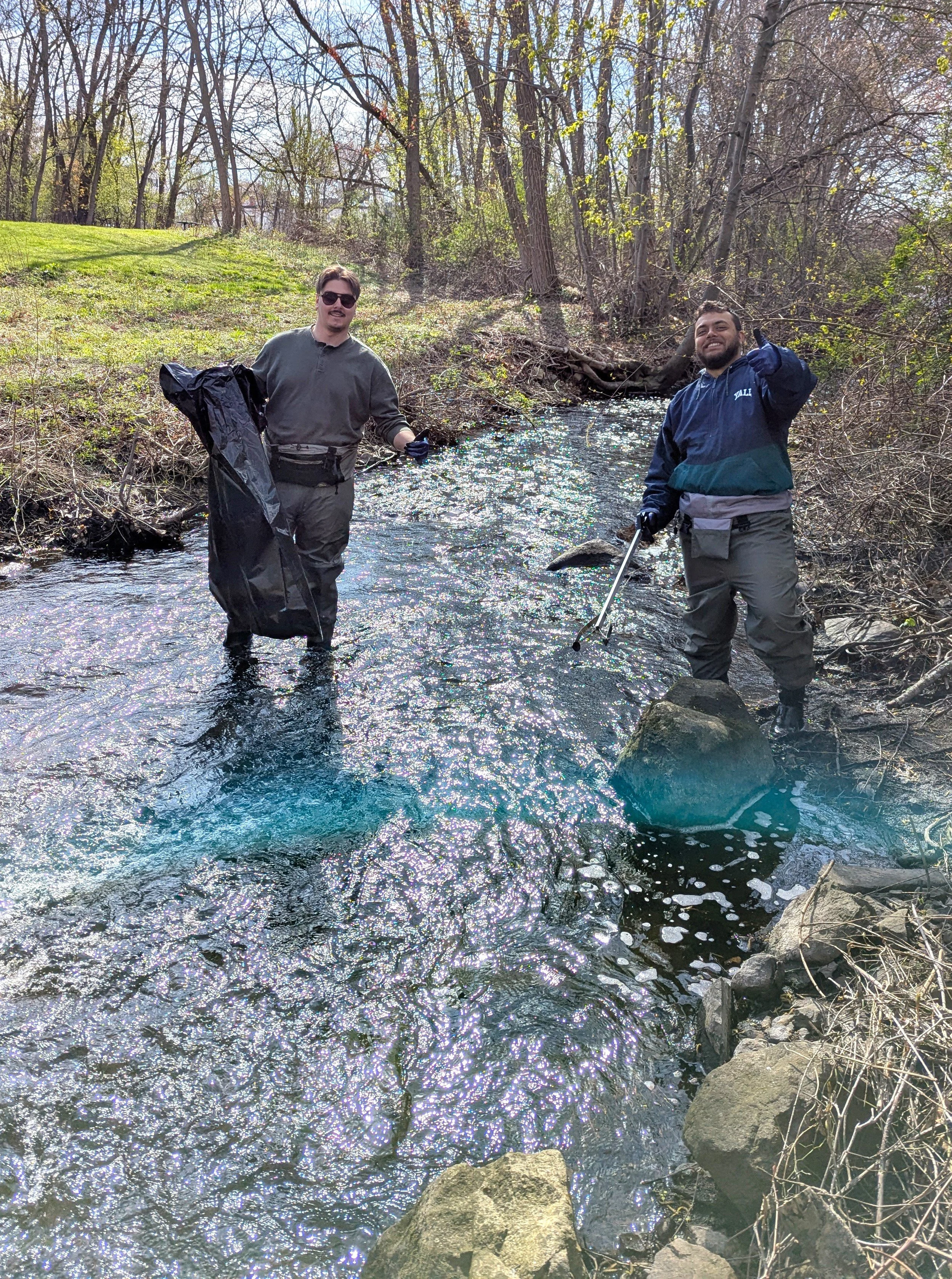
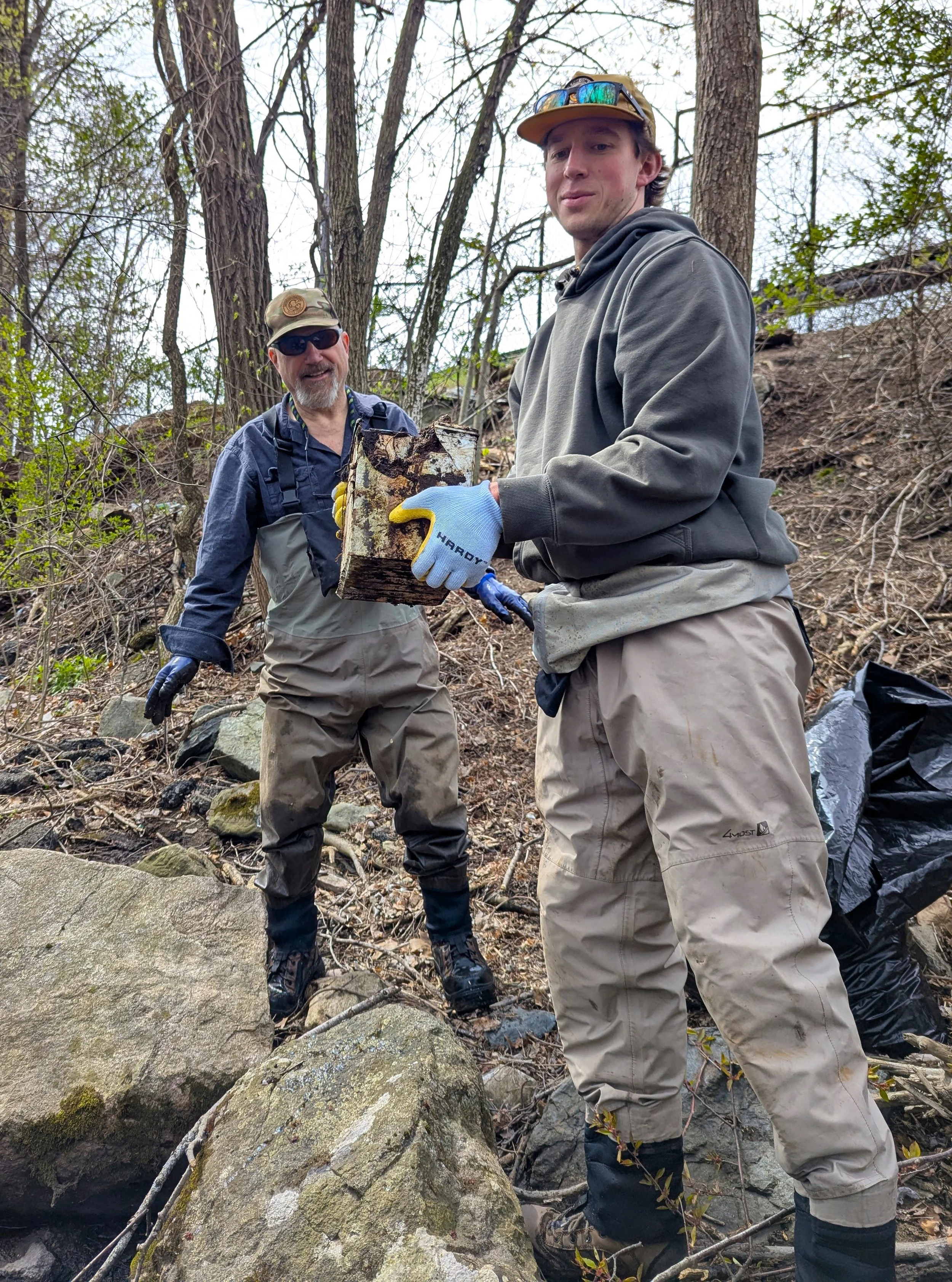
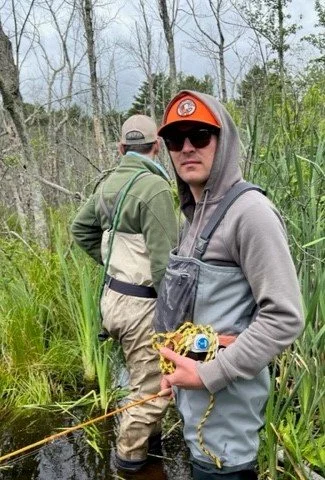
Deep mud, years of litter, decaying infrastructure, and stormwater and sewage intrusion makes this a potentially dangerous situation. The people in the picture are dressed appropriately…
Goals
NFC’s goal is to do everything we can to keep our board members safe and avoid injuries and ailments wherever we can do so. When it comes to personal safety, there is no such thing as being too careful.
NFC has had only 1 field injury since inception, and while not life threatening, it served as a reminder that our work does come with some level of risk.
In this case, a NFC board member stepped on an old rusty nail or spike while working around the edge of a small pond. Had they been wearing proper footwear, it likely would not have resulted in injury. Unfortunately, they were wearing crocs.
The mishap resulted in a trip to the Emergency Room to have the wound cleaned and treated, as well as some x-rays and a tetanus shot. The whole ordeal took almost 7 hours, and resulted in the rest of the team having to regroup to support an event later that day and another the next day.
Policy
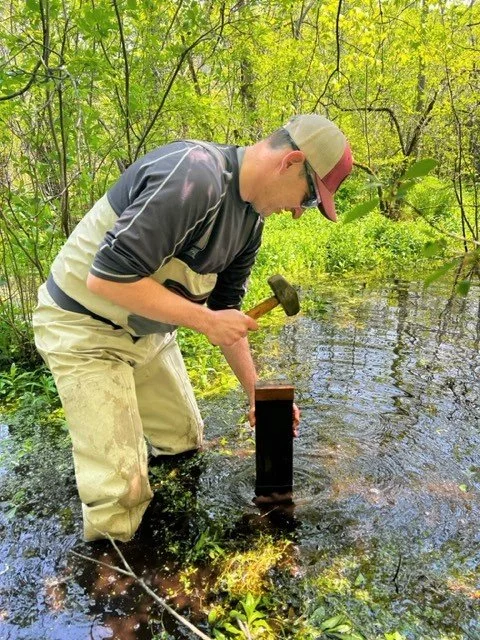
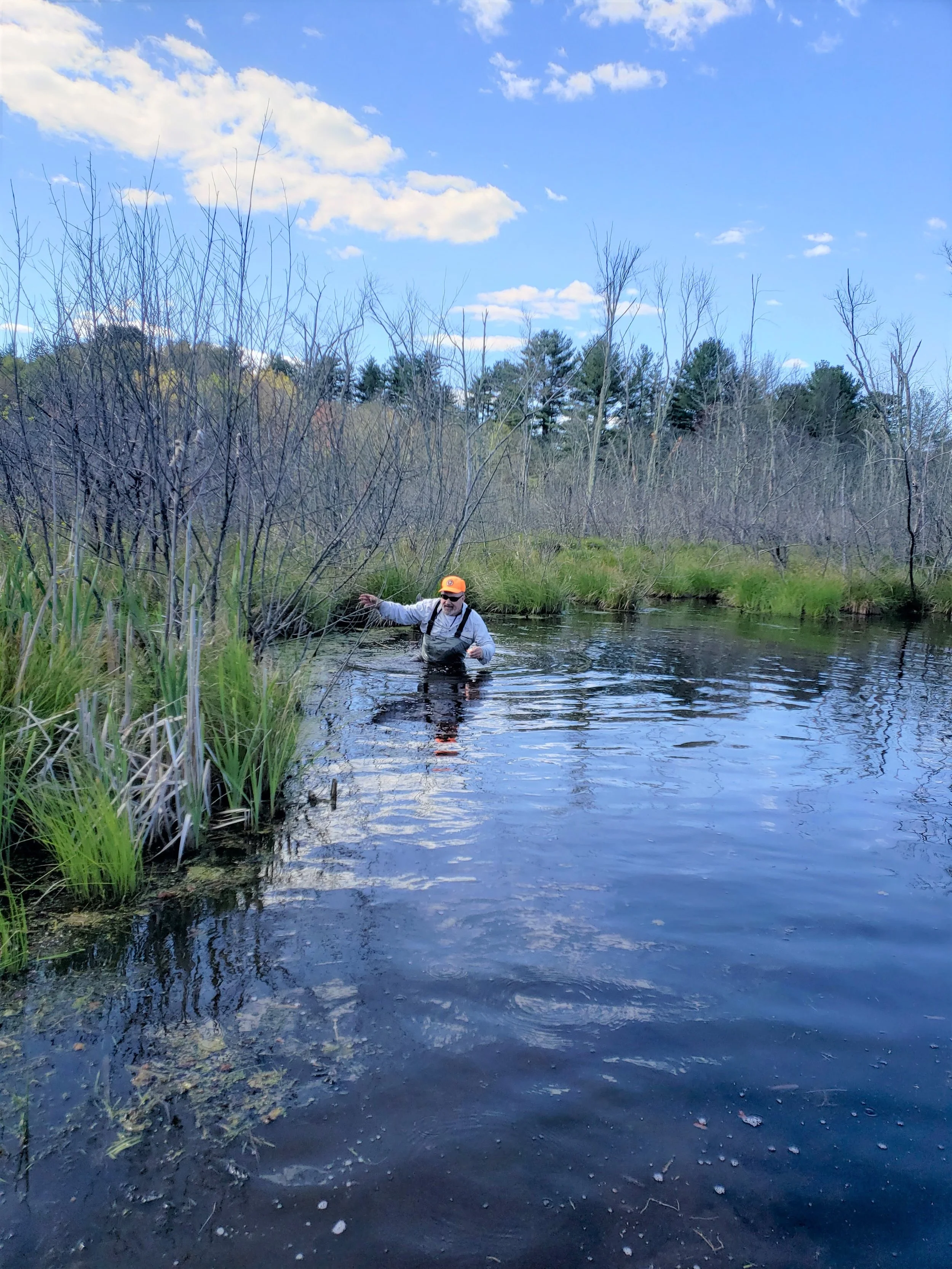
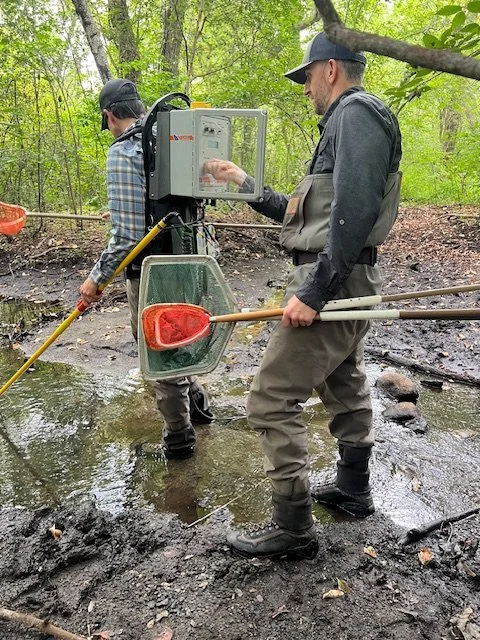
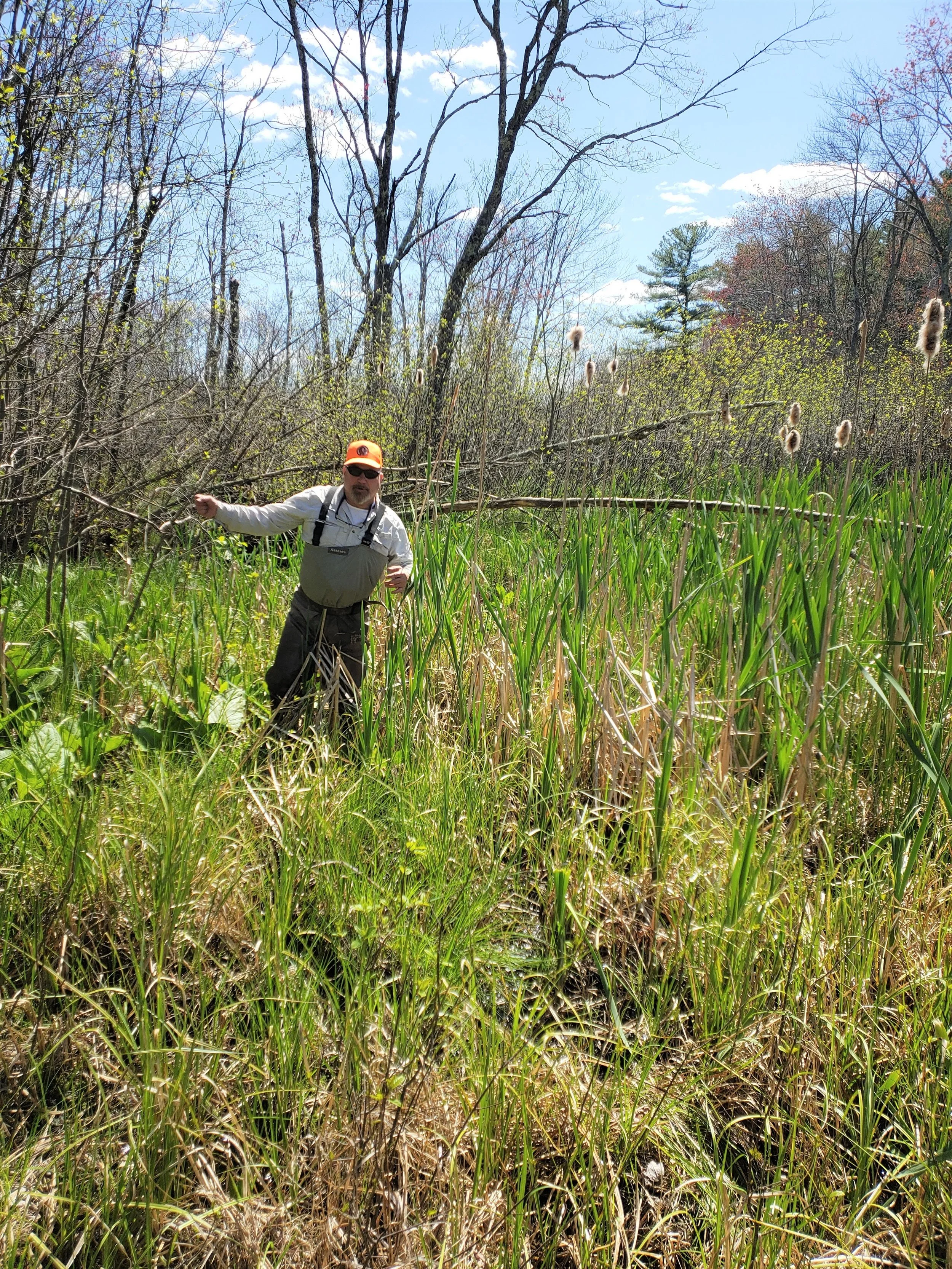
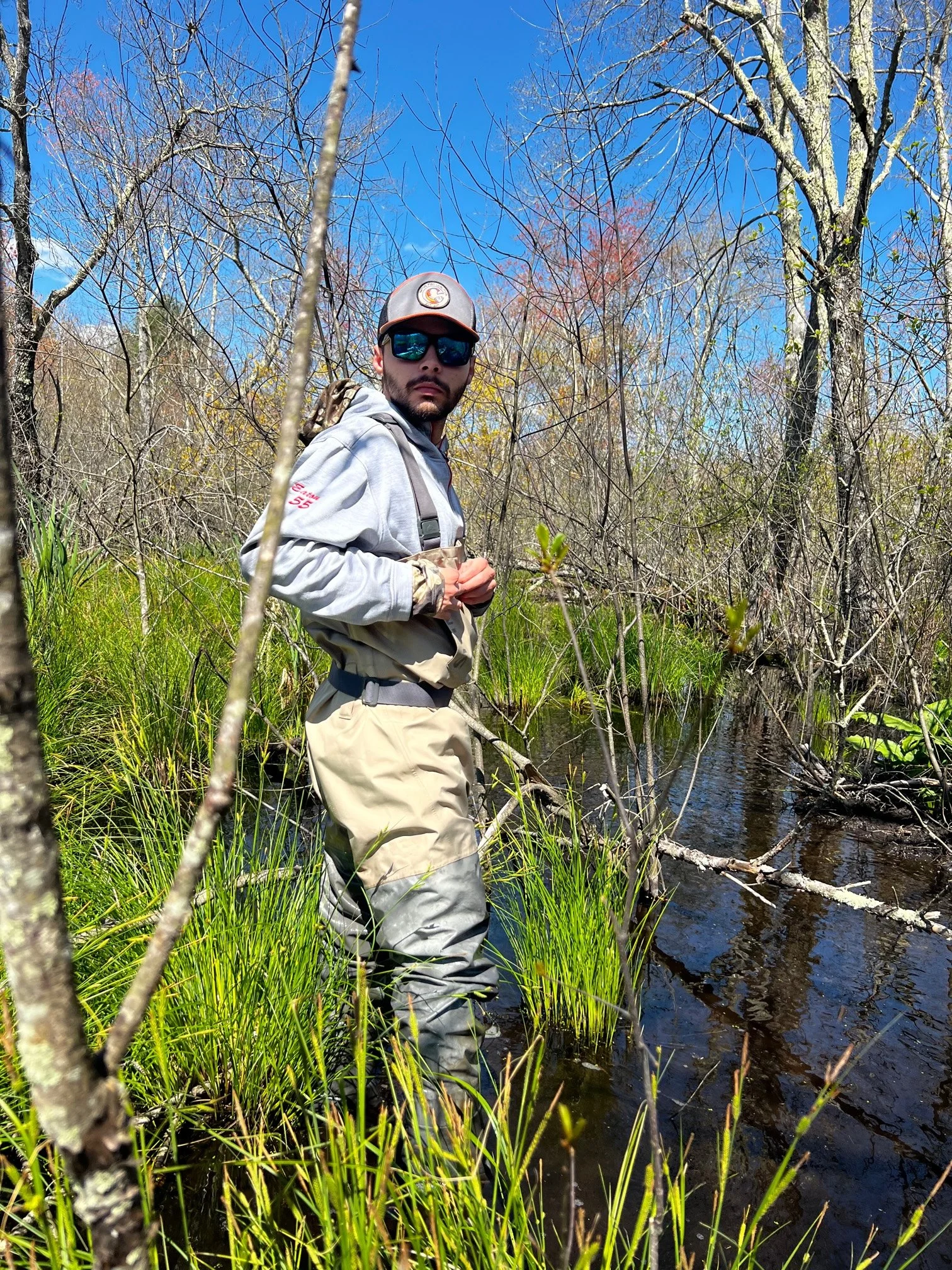
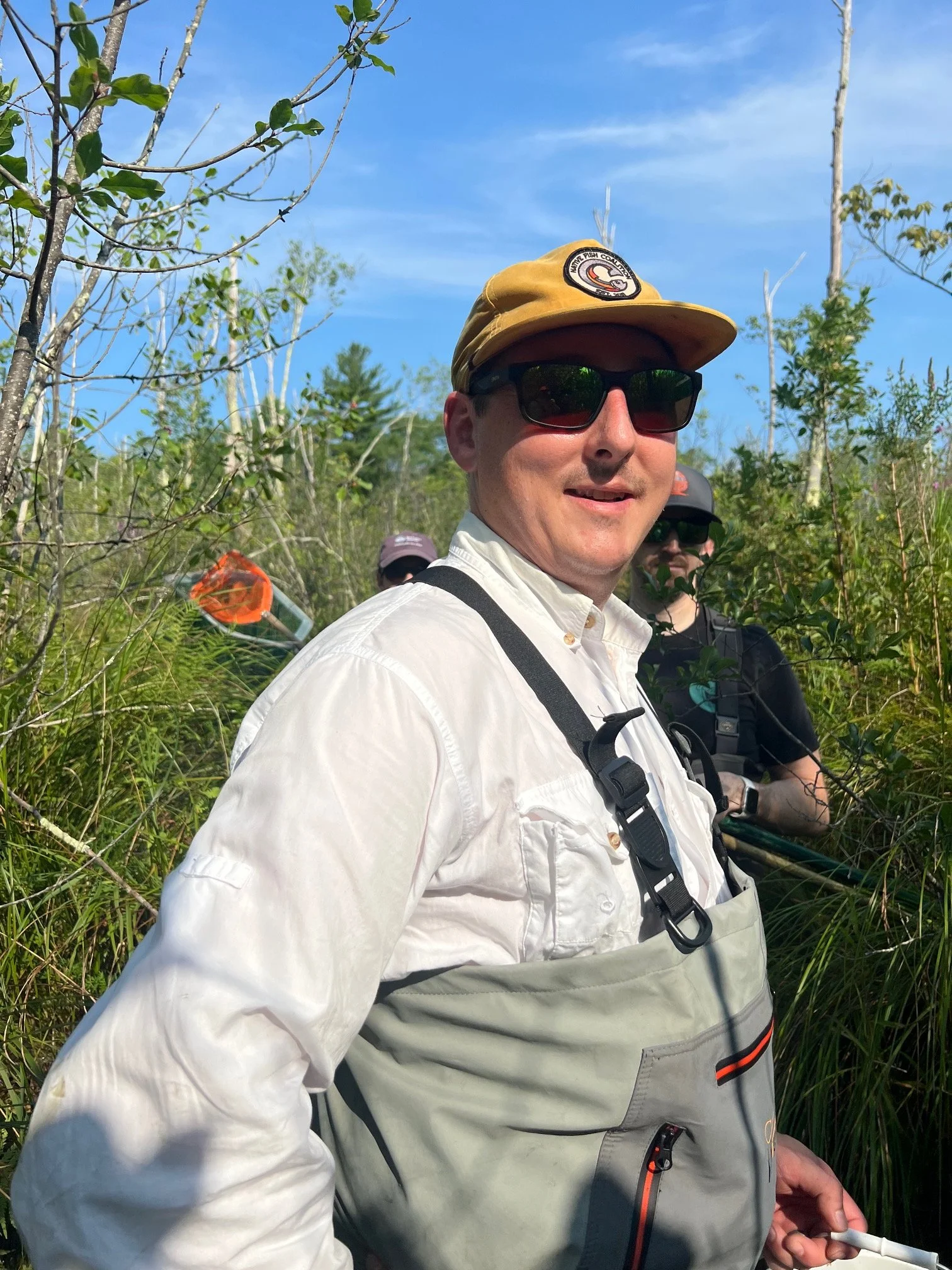
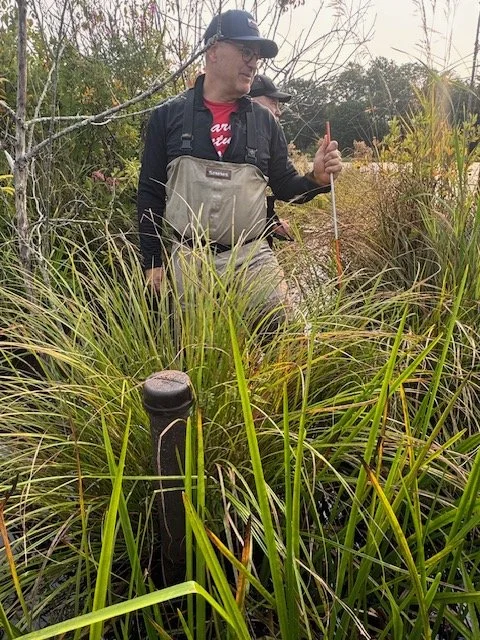
When working in potentially contaminated water, dark or muddy water, or places where hazardous litter could be present, you should wear waders and wading boots.
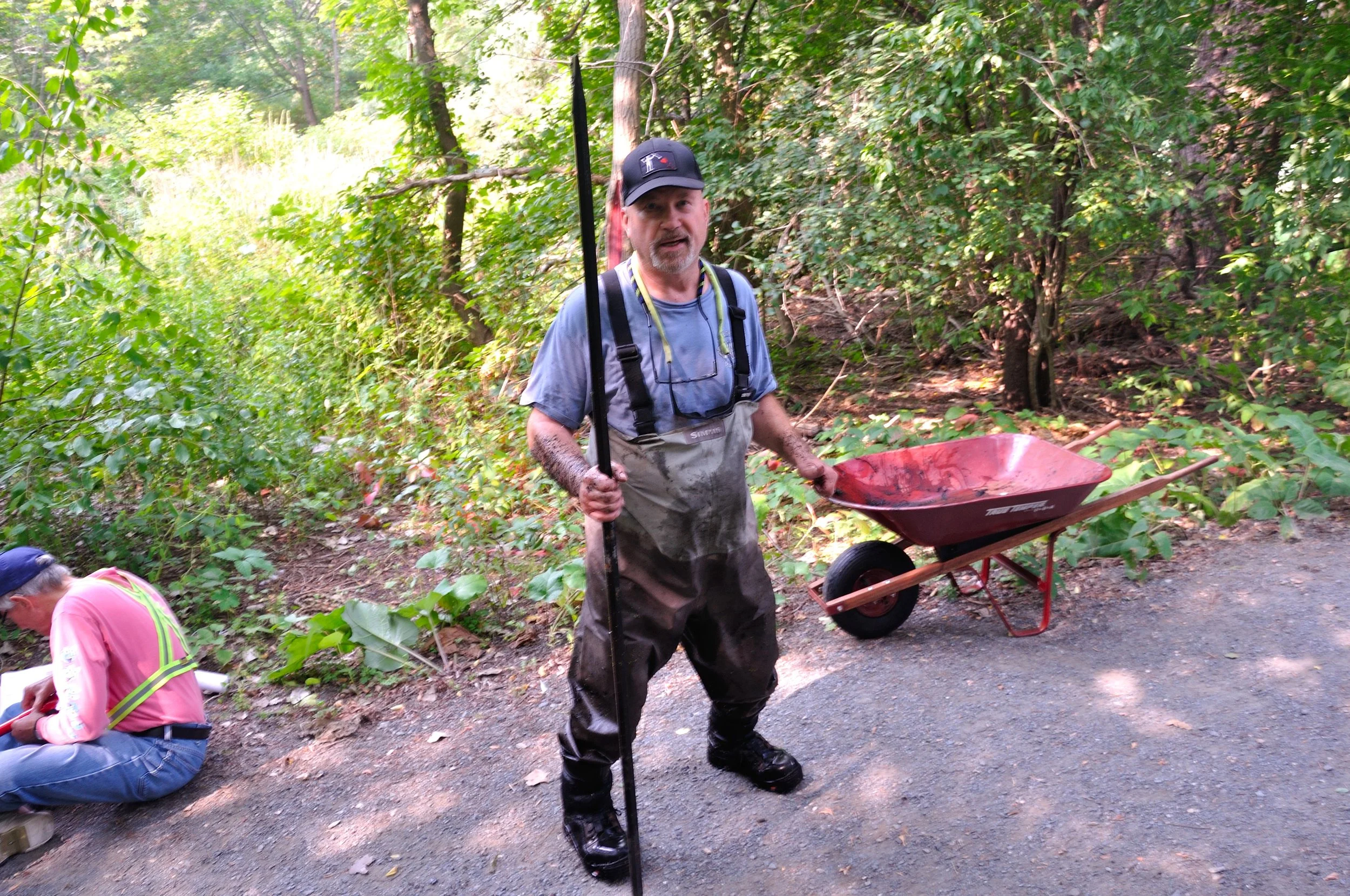
Waders and boots are never a bad idea when working around water, and regardless of how warm the water or air temperatures are…
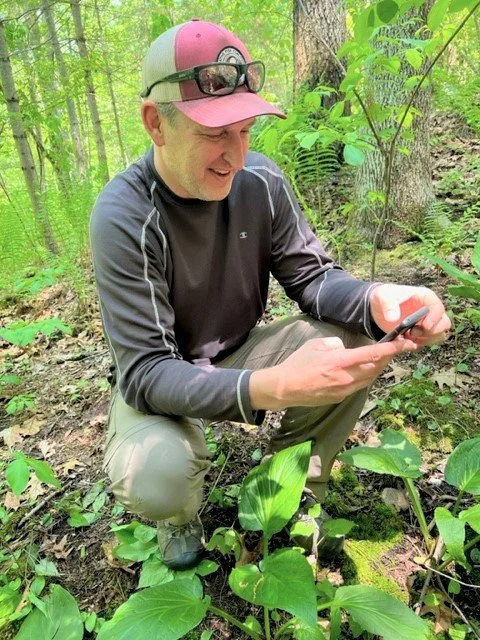
When working out of the water where brush, thorns, poison ivy, fences, barbed wire, or other potential hazards may be found, you should wear long pants and boots or heavy sneakers.
Long pants help prevent scratches, scrapes, and cuts which can become infected when they come in contact with contaminated water.
Boots and heavy sneakers protect you from unseen hazards such as glass, nails, and other sharp debris hidden under grass or leaves.
Crocs and sandals should not be worn during fieldwork, even if you are going to be out of the water.
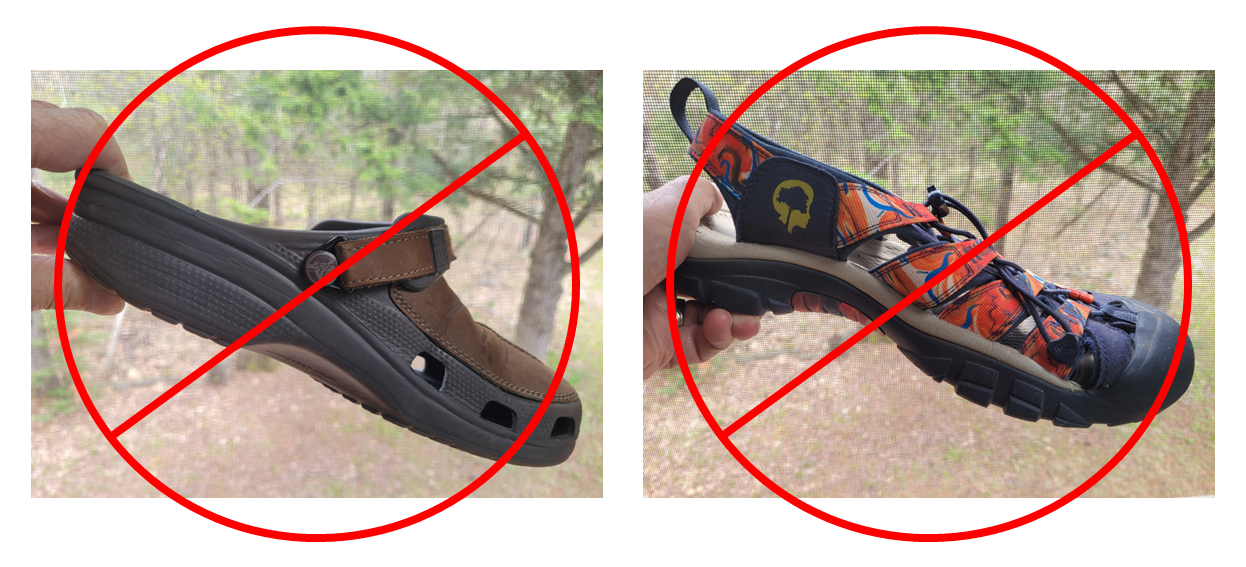
When working where ticks, bees, and/or biting insects are present, you should wear a long sleeve shirt or jacket.
Eyewear is always a good idea when doing fieldwork to protect yourself from branches, wind-blown sand and debris, contaminated water, etc.
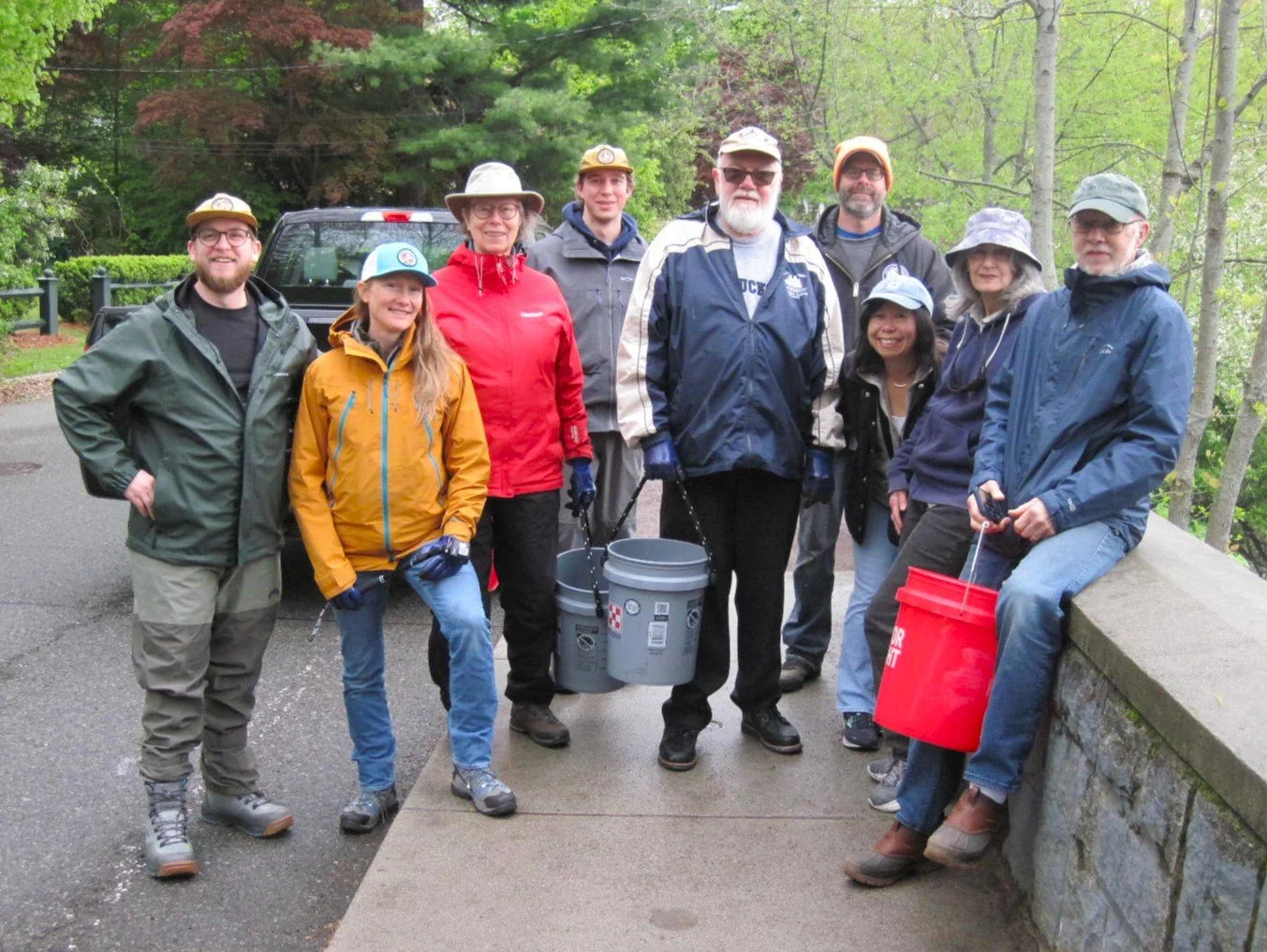
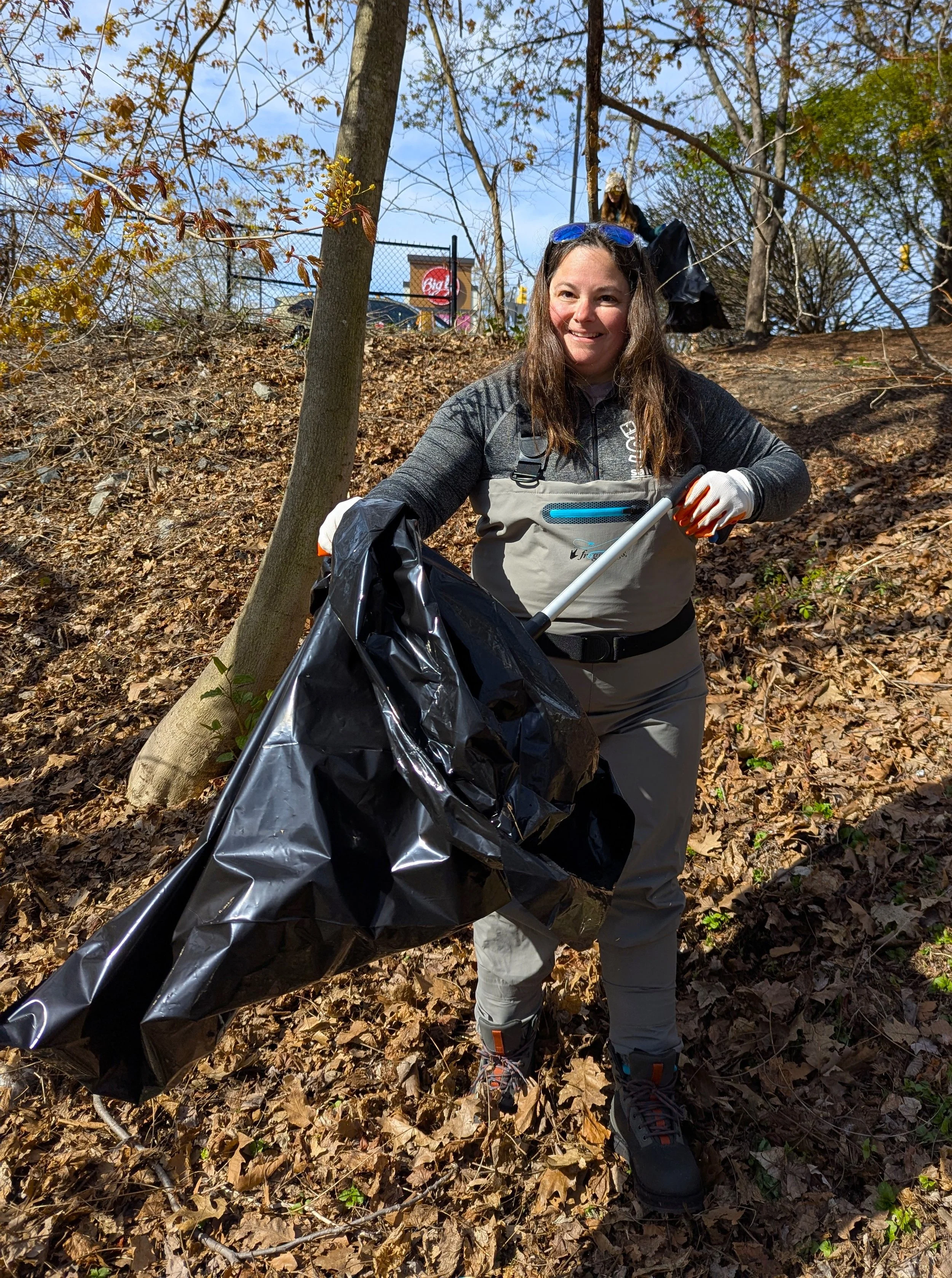
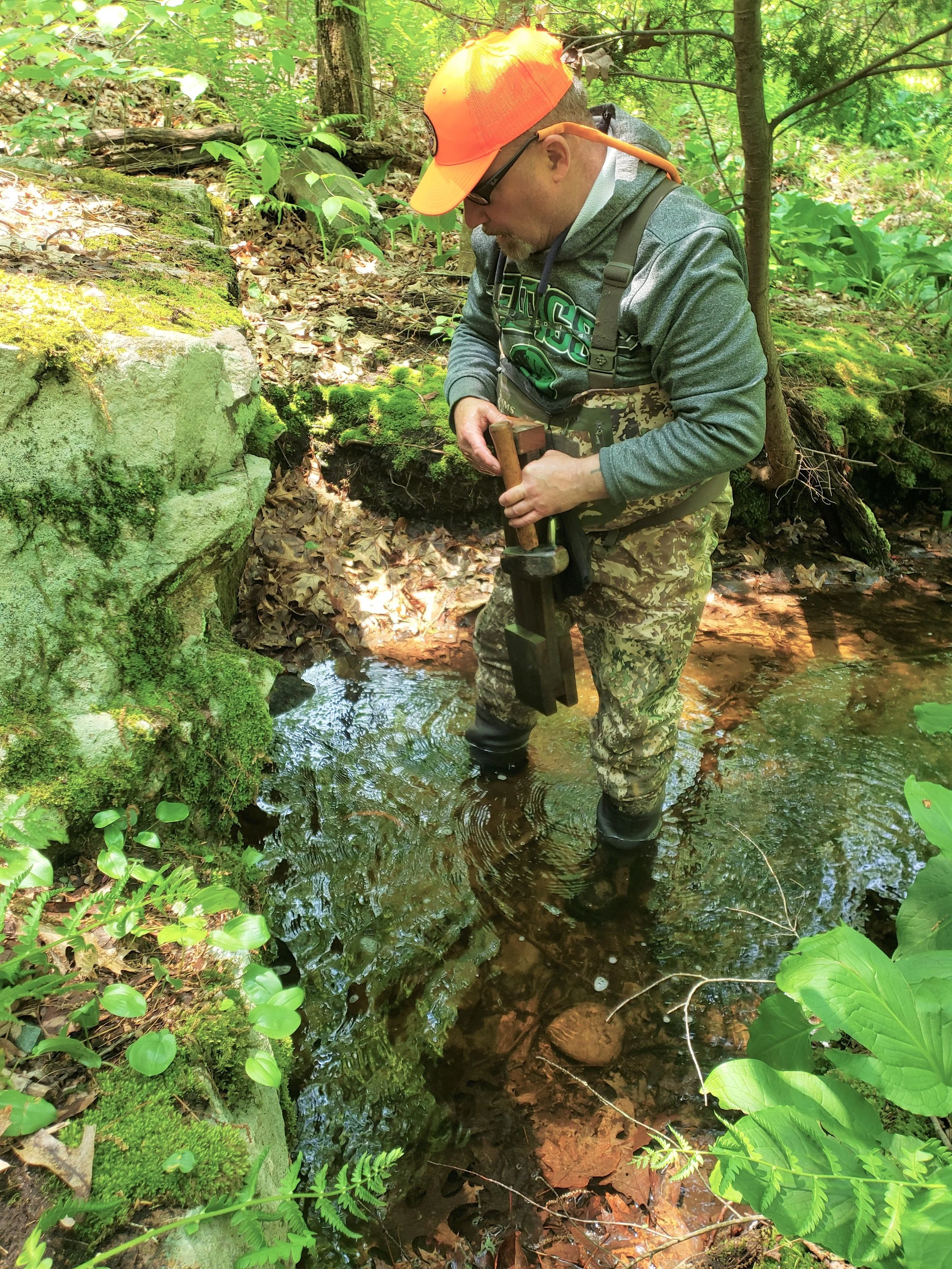
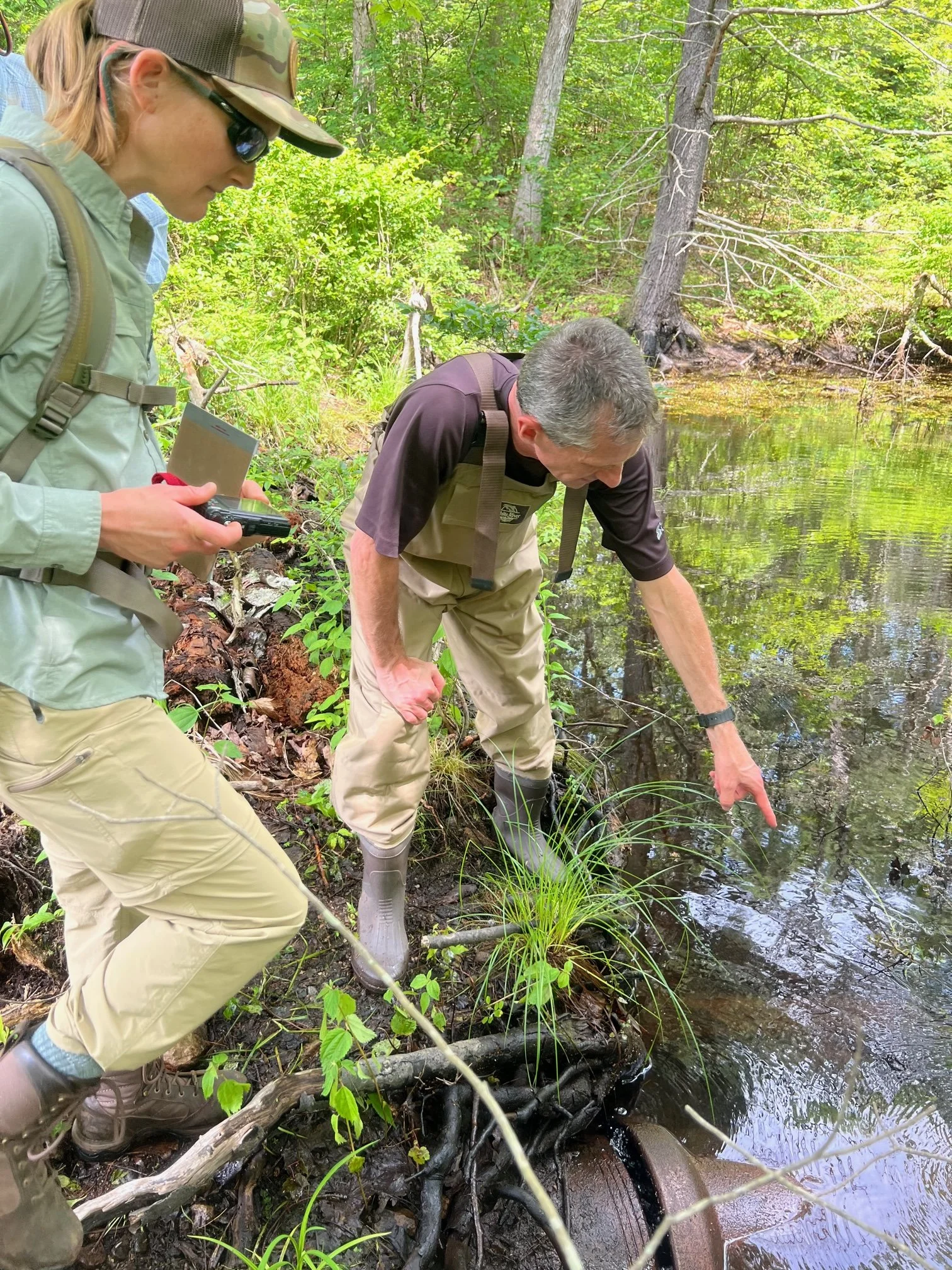
Proper fieldwork attire includes waders and wading shoes for those working in the water and long pants and boots for those working on the shore…
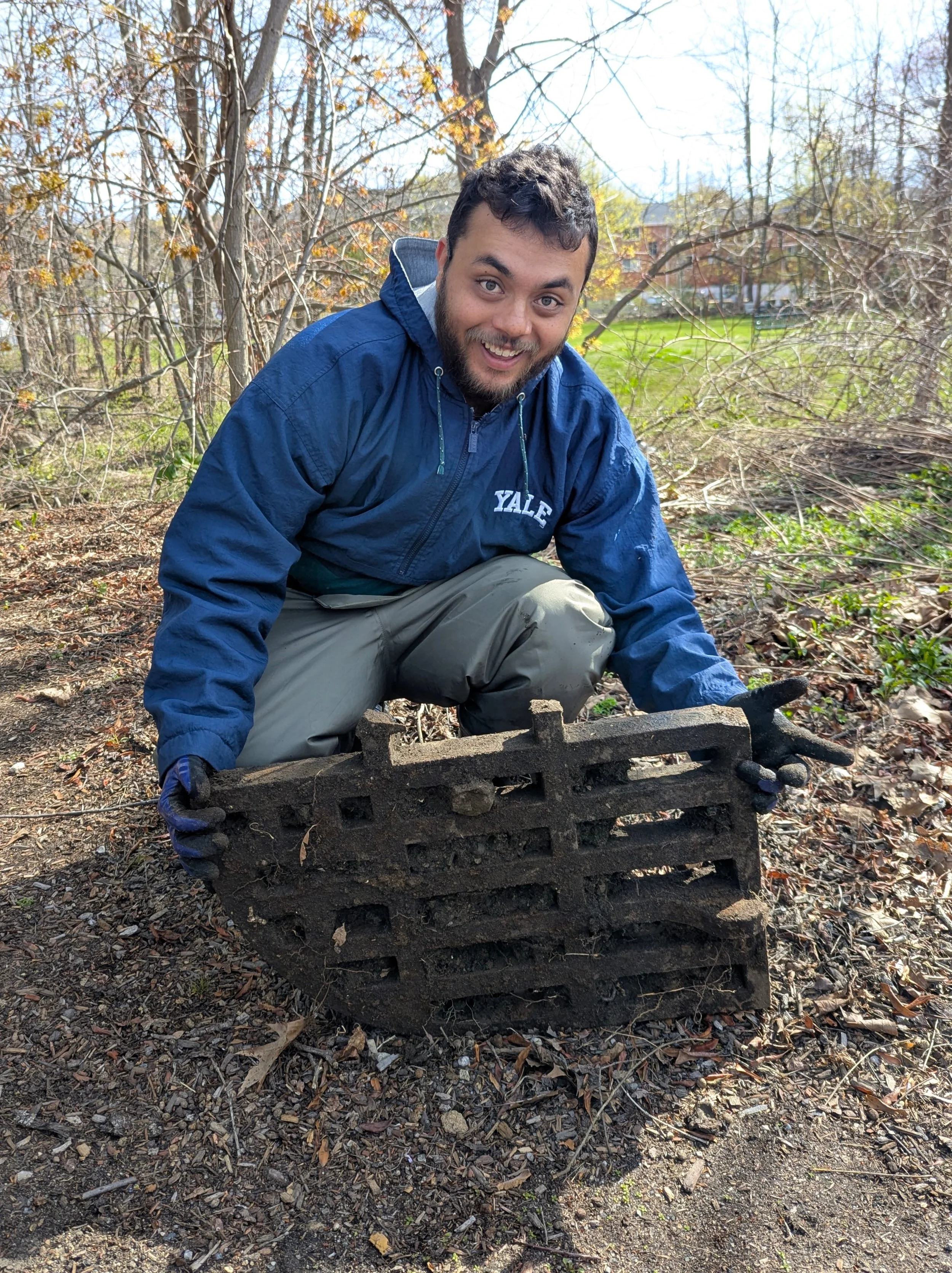
When removing trees, discarded wood, and litter, protective work gloves is always a good idea.
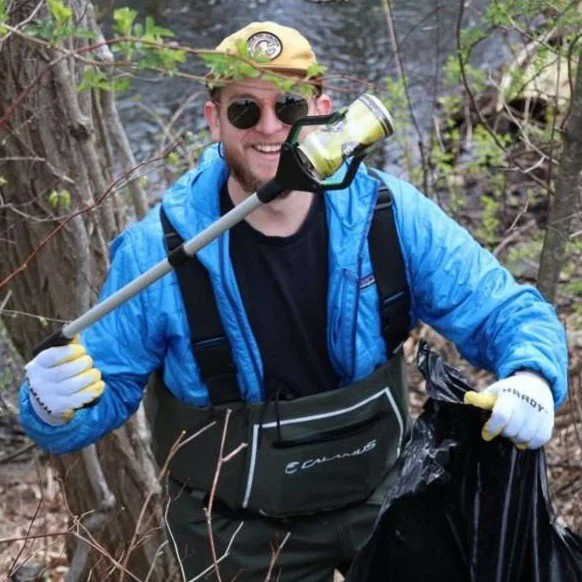
Protective work gloves are always a good idea…
best practice