Riparian Tree Planting
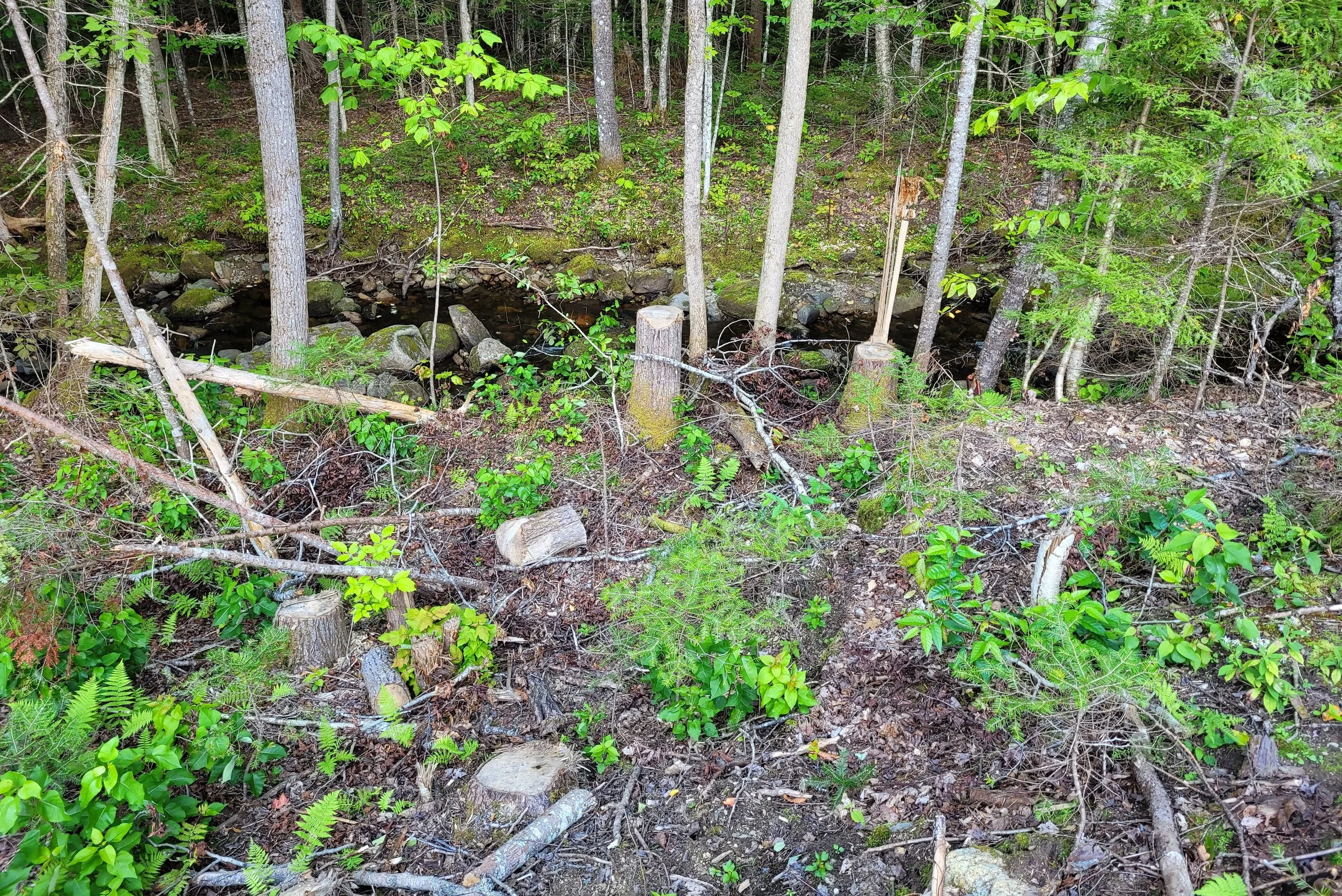
A section of a wild native brook trout stream where an illegal cut removed critically important canopy…
Background
Trees provide canopy which helps keep water cool, lessens avian predation on fish, prevents erosion and siltation which can bury important substrate, and increases terrestrial insect drop which provides important forage for fish.
Goals
There are times when planting or replanting riparian areas can help wild native fish. In some cases, trees are deliberately cut, and at times illegally, from the riparian area. In other cases trees are lost to weather events, blight, insects, etc.
General Guidelines
Here are some general guidelines for riparian area planting or replanting:
Determine what species of tree are growing in the immediate area. Mimicking this will increase your likelihood of success as specific species require certain conditions to prosper..
Only plant native trees, regardless of what is already present in the area
Species such as willow grow relatively quickly.
Evergreens provide year-round shade.
Red and silver maple do well in wet areas.
Trees usually have to be ordered months in advance, and sometimes a year in advance to ensure that they are available when you want to plant them.
Size Options
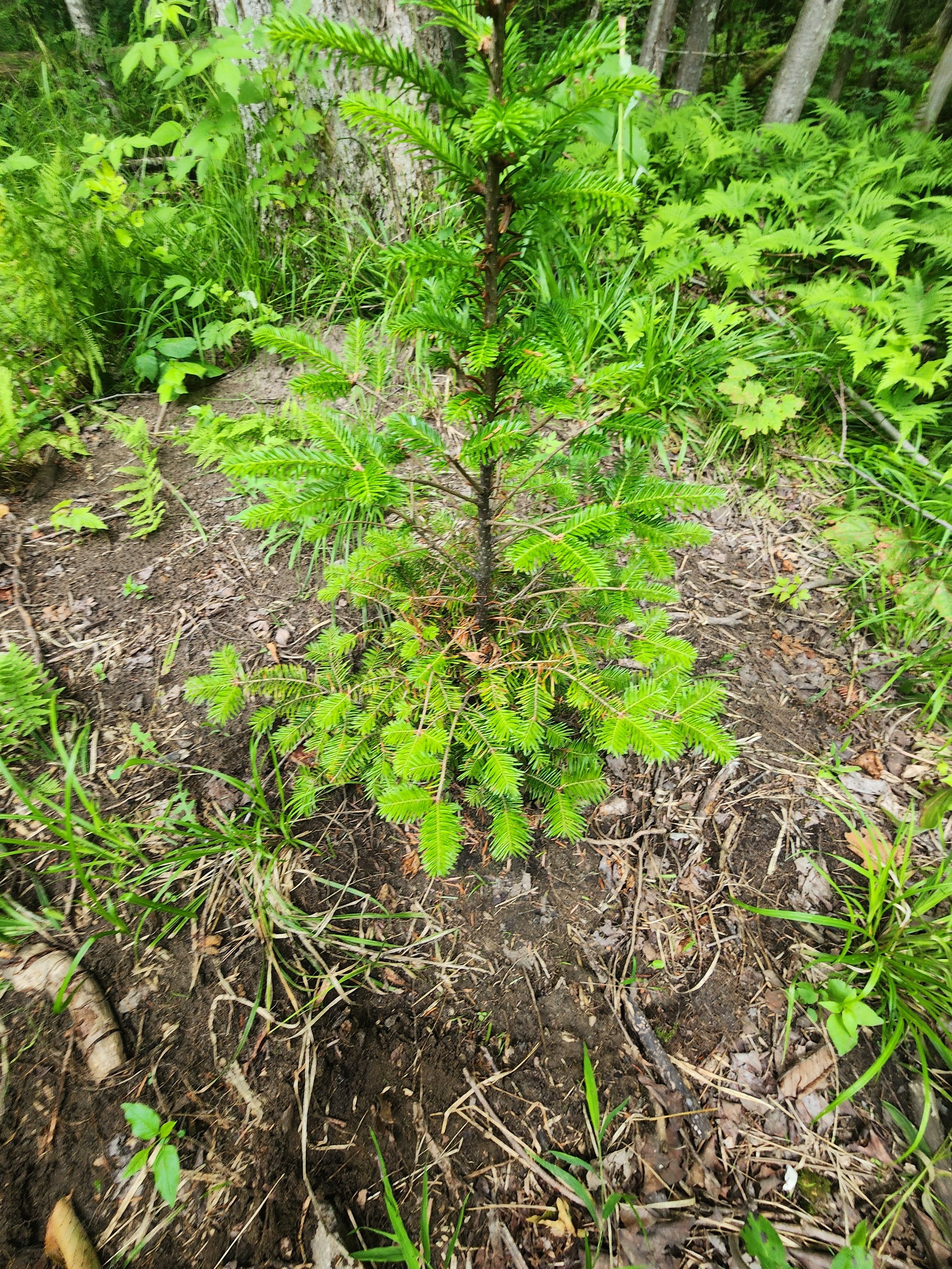
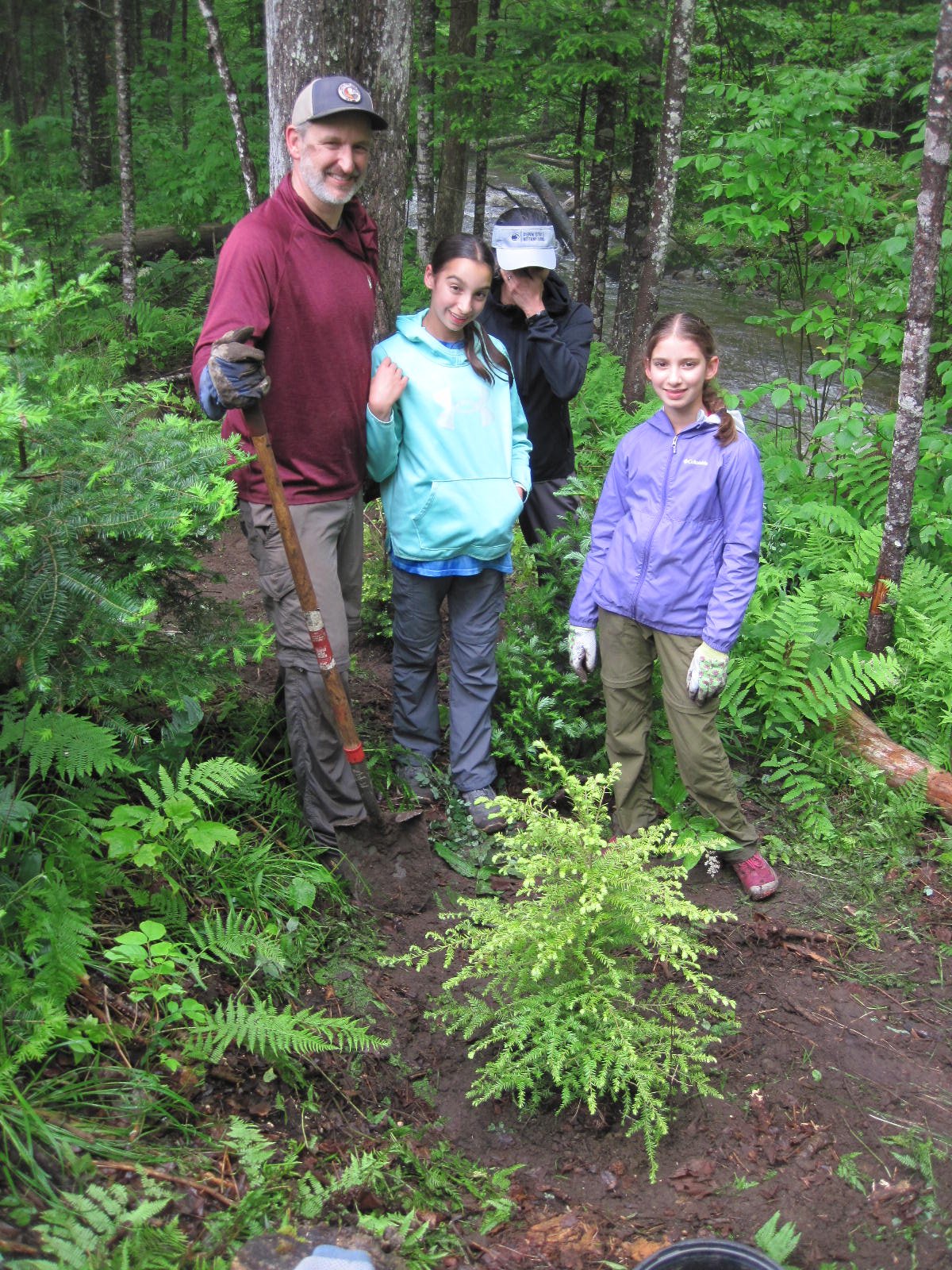
Trees are sold in adult and live stake form. NFC has worked with both and had success with both. What you choose is dictated by urgency in regard to growth, budget, logistics, and availability.
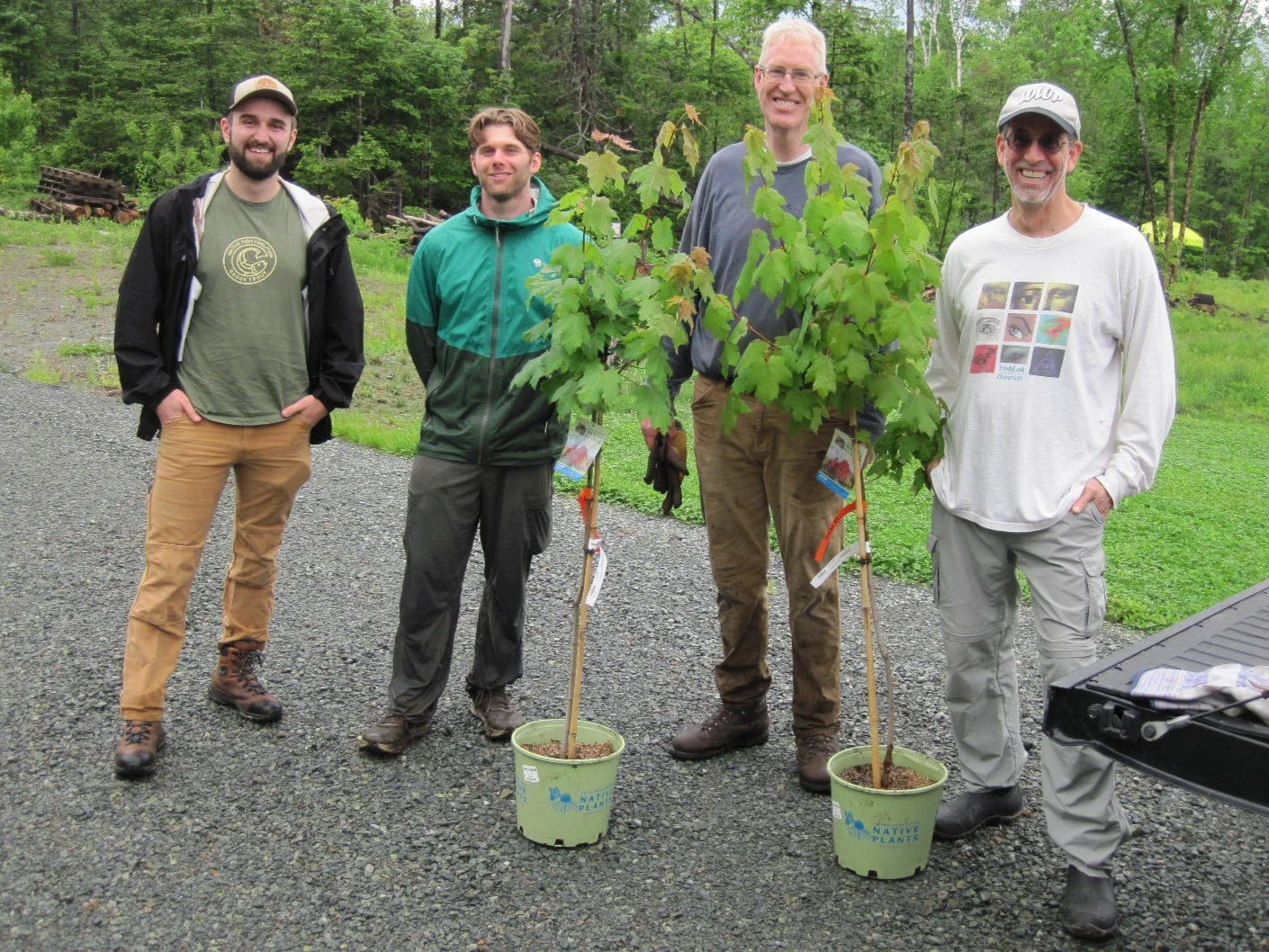
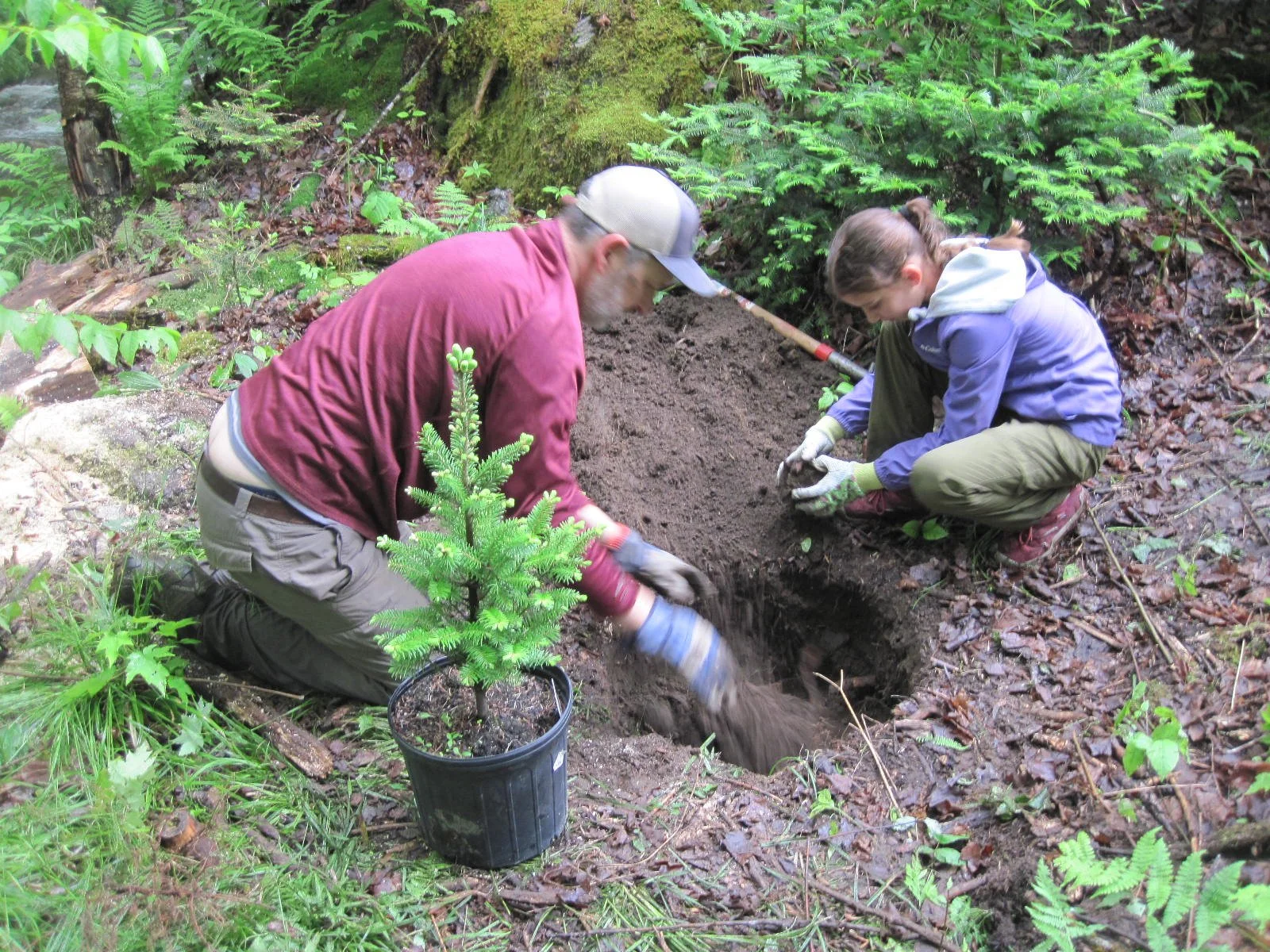
Adult trees:
Adult trees come in a variety of sizes.
The larger the tree the more expensive it will be.
The larger the tree the more likely it is to survive.
Adult trees are often sold in buckets:
3-gallon tree measuring from 2″ to 4″
5-gallon tree measuring from 4’ to 6’.
The larger the tree the harder it will be to transport and plant.
NFC recommends working with 3-5-gallon adult trees as the success rate is high, they are affordable, and they are easy to work with.
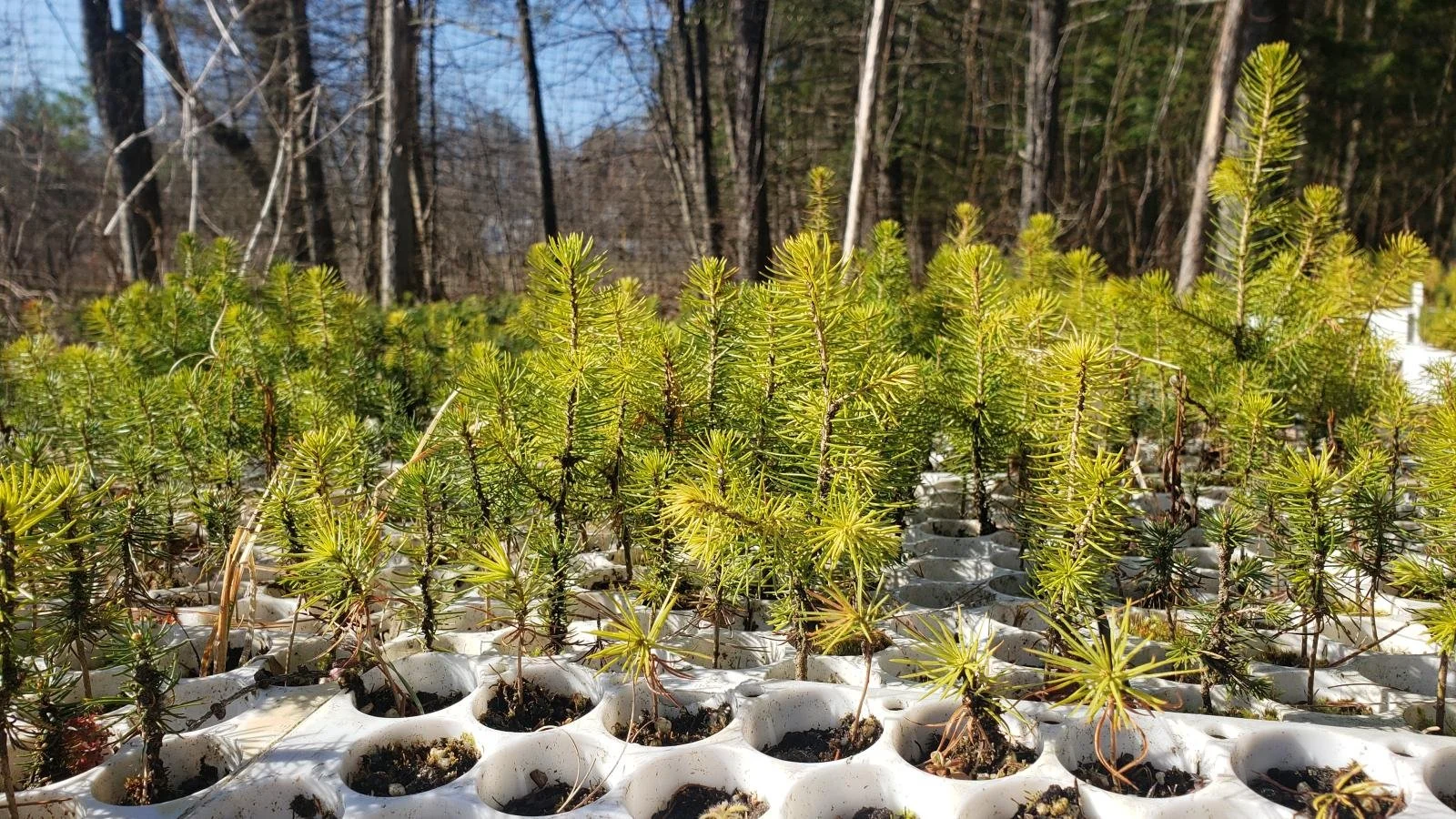
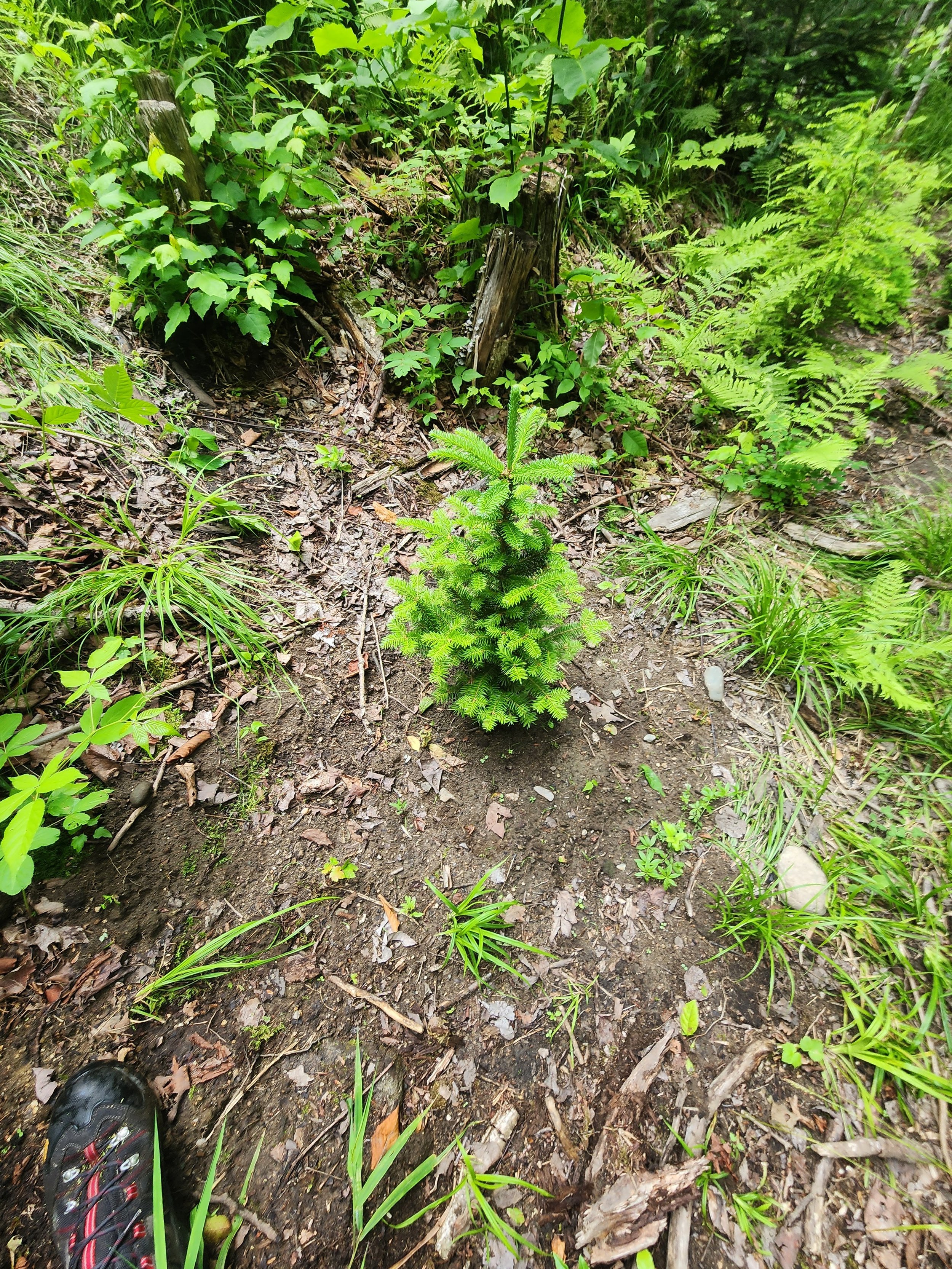
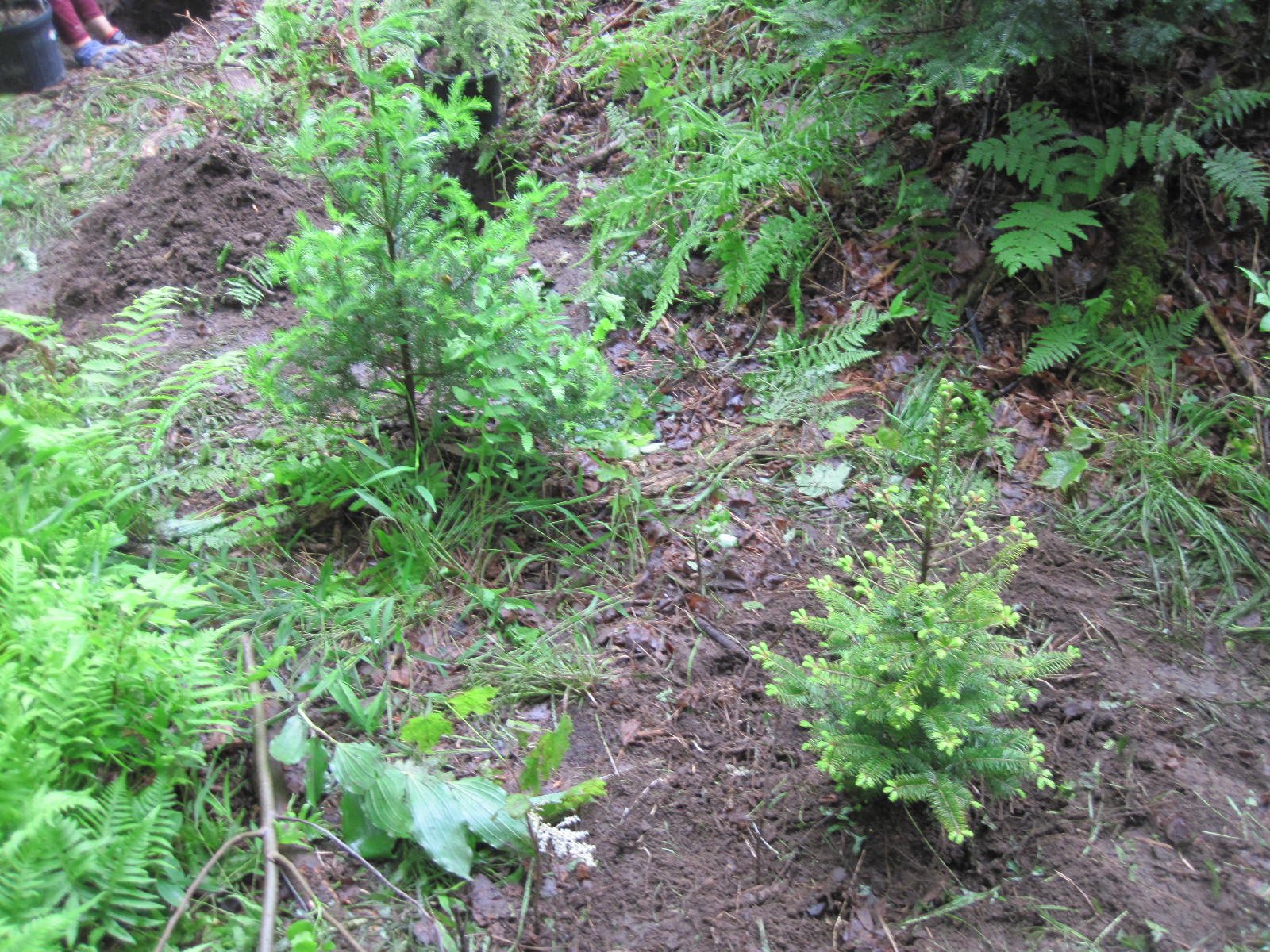
Seedlings:
Lives stakes are sold in bulk.
Seedlings cost less than adult trees but more than live stakes.
The success rate is lower for seedlings than adult trees but higher than live stakes.
Seedlings take time to grow.
Seedlings are easy to transport and plant.
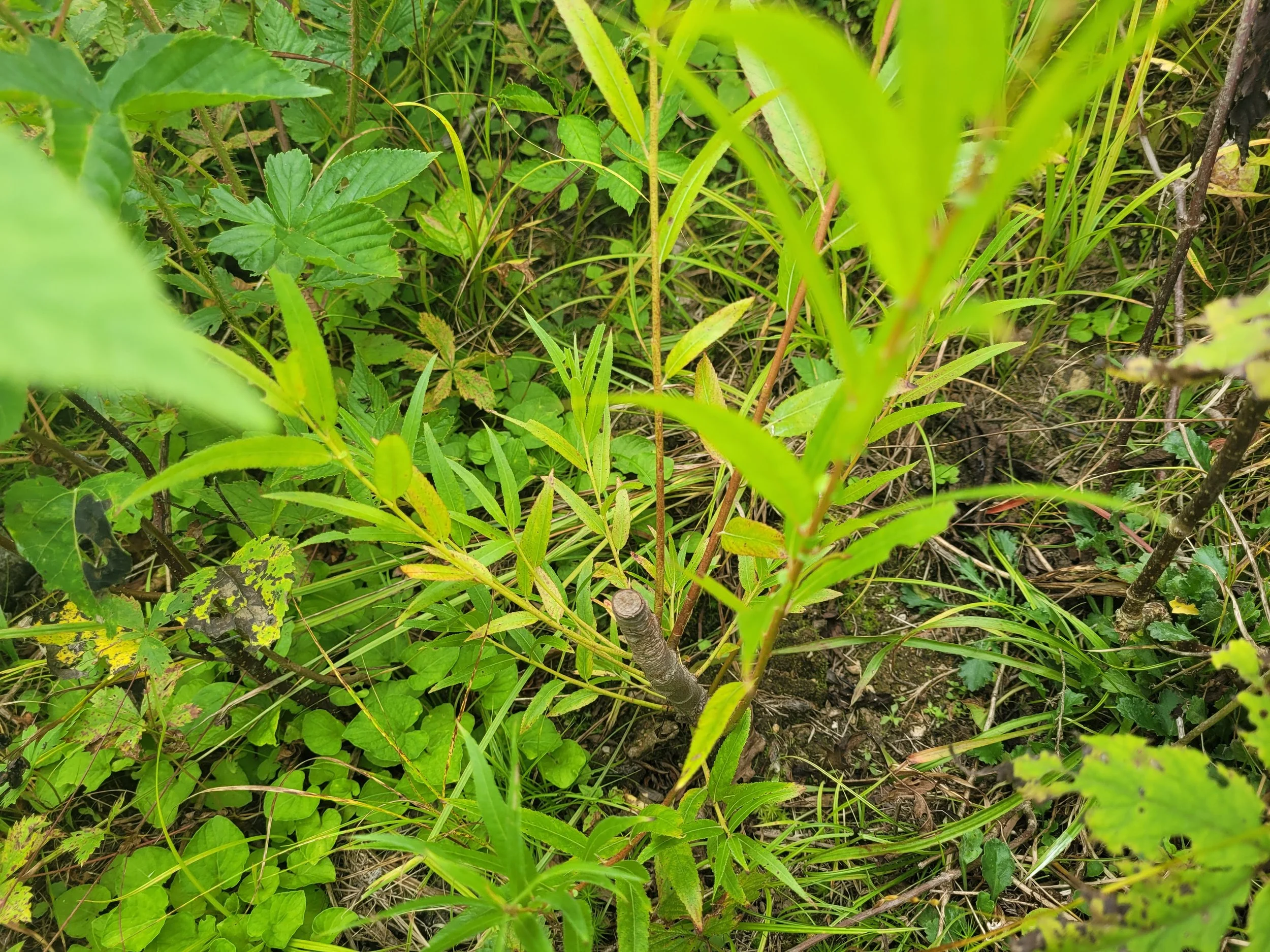
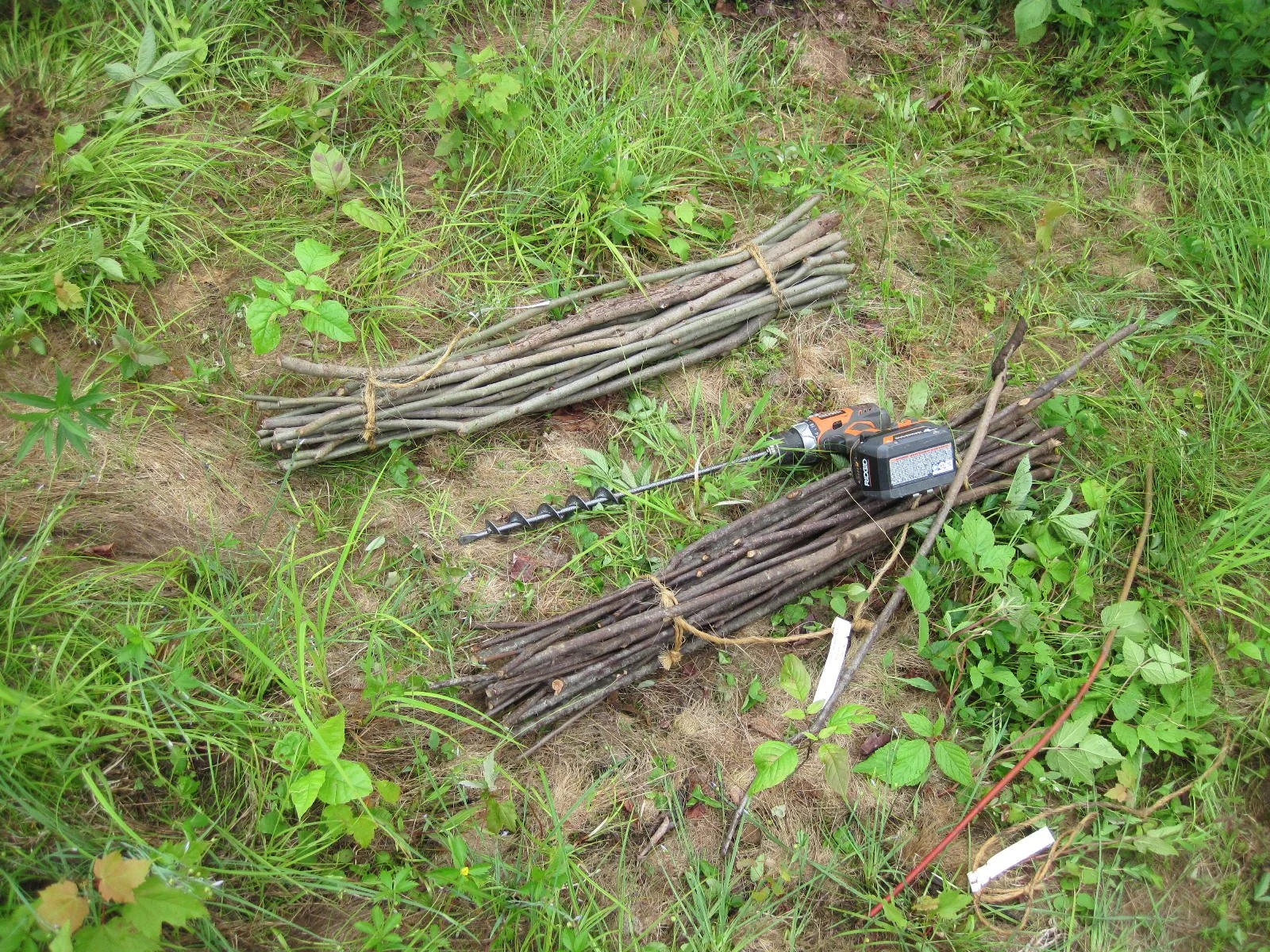
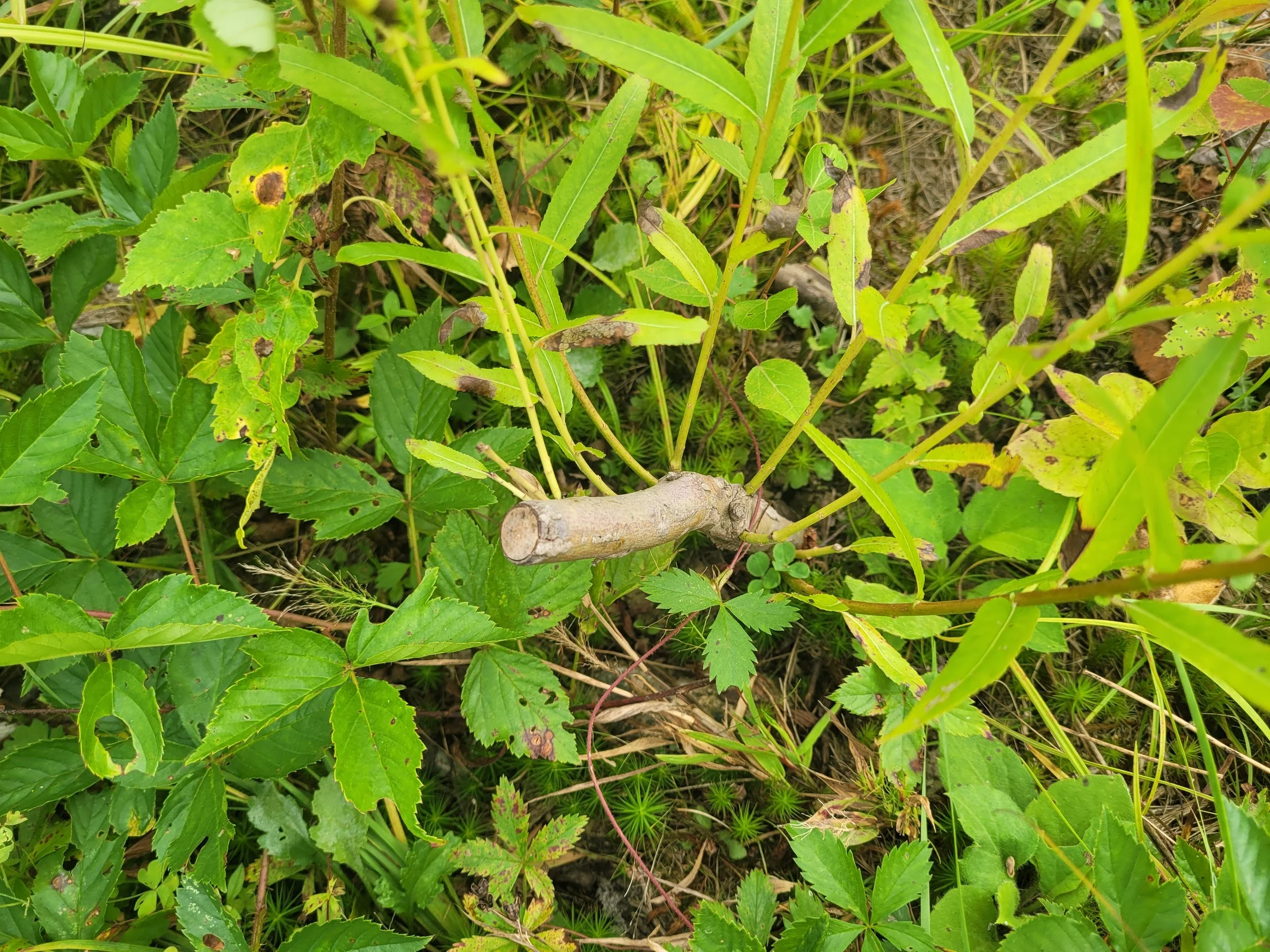
Live stakes:
Lives stakes are sold in bundles.
The success rate is lower for live stakes than adult trees.
Live stakes take time to grow.
Live stakes are easy to transport and plant.
NFC recommends working with live stakes where possible as the cost is low and they are much easier to plant.
Additional information…
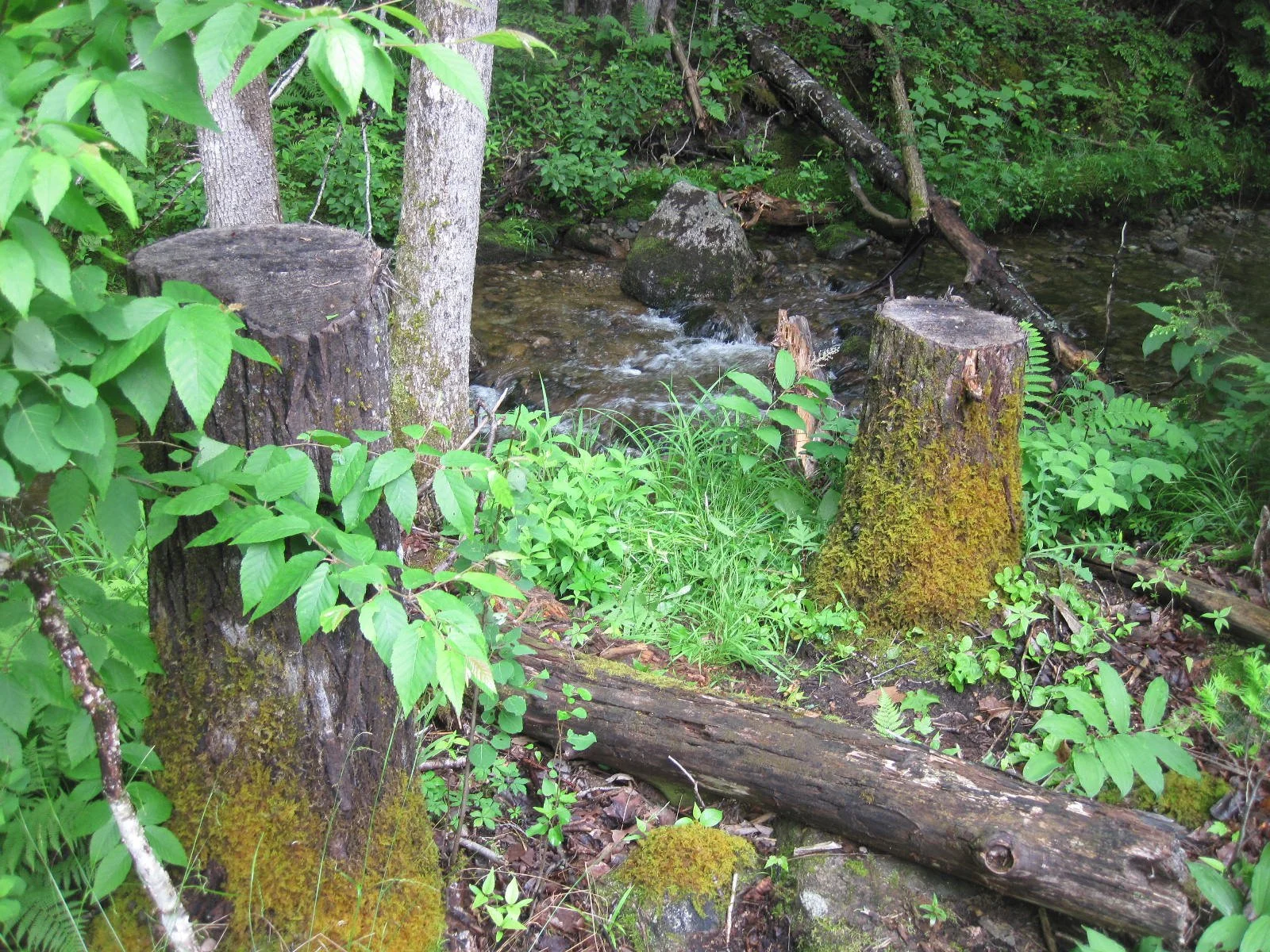
Critical areas that are only partially deforested are good candidates for adult trees.
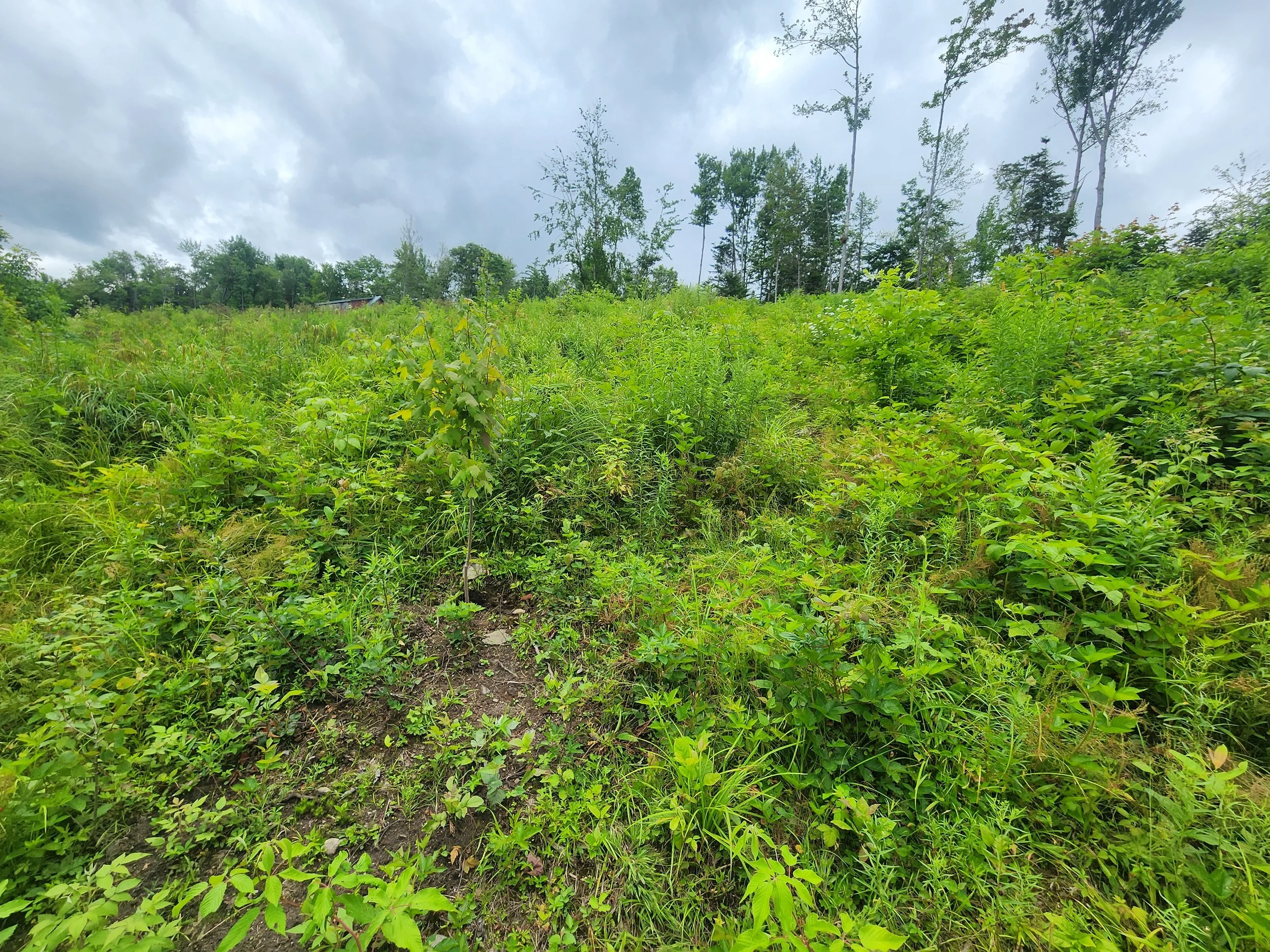
Large cut areas are best addressed with live stakes…
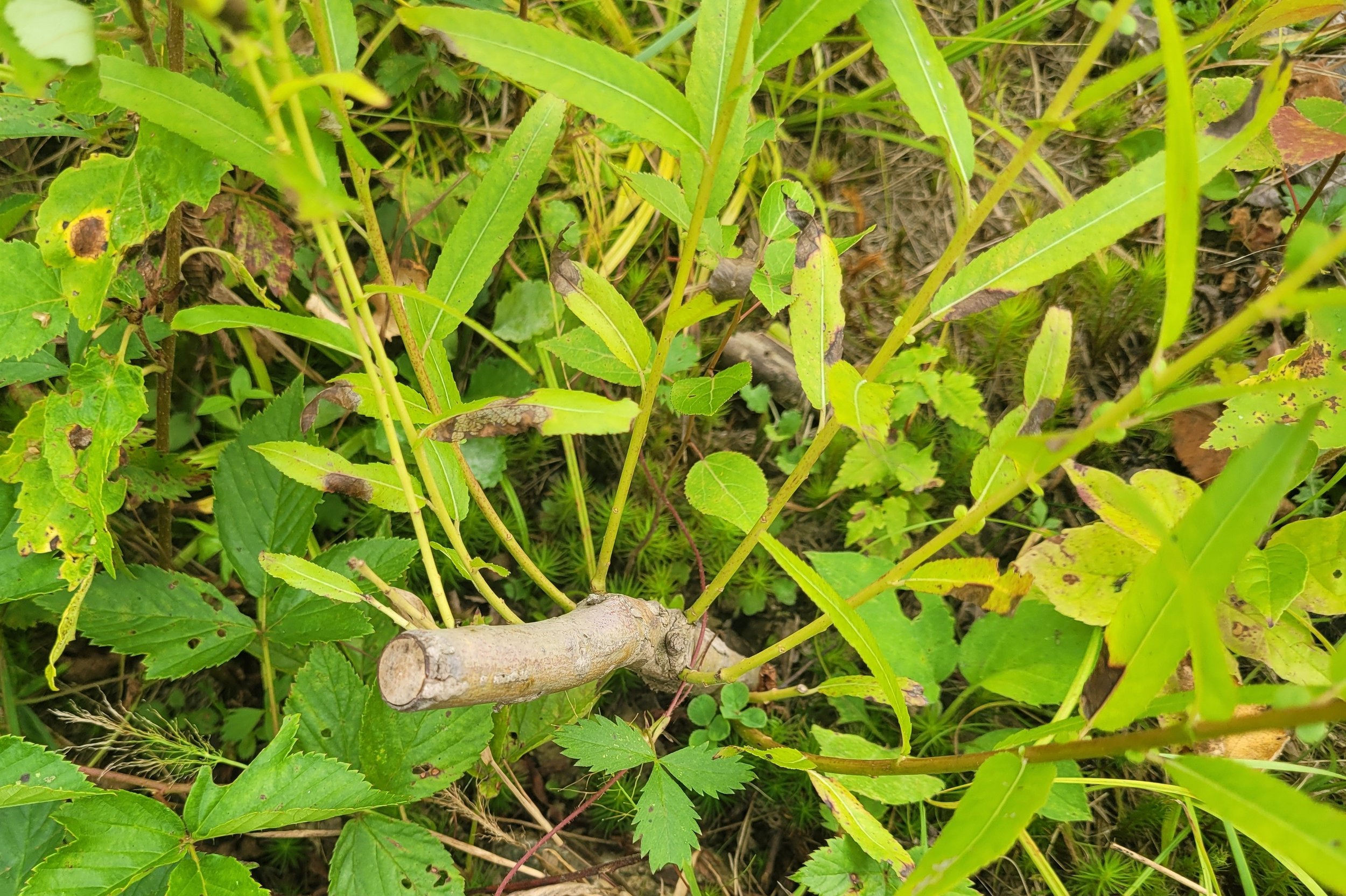
Live stakes showing sprouting just 6 months after planting…
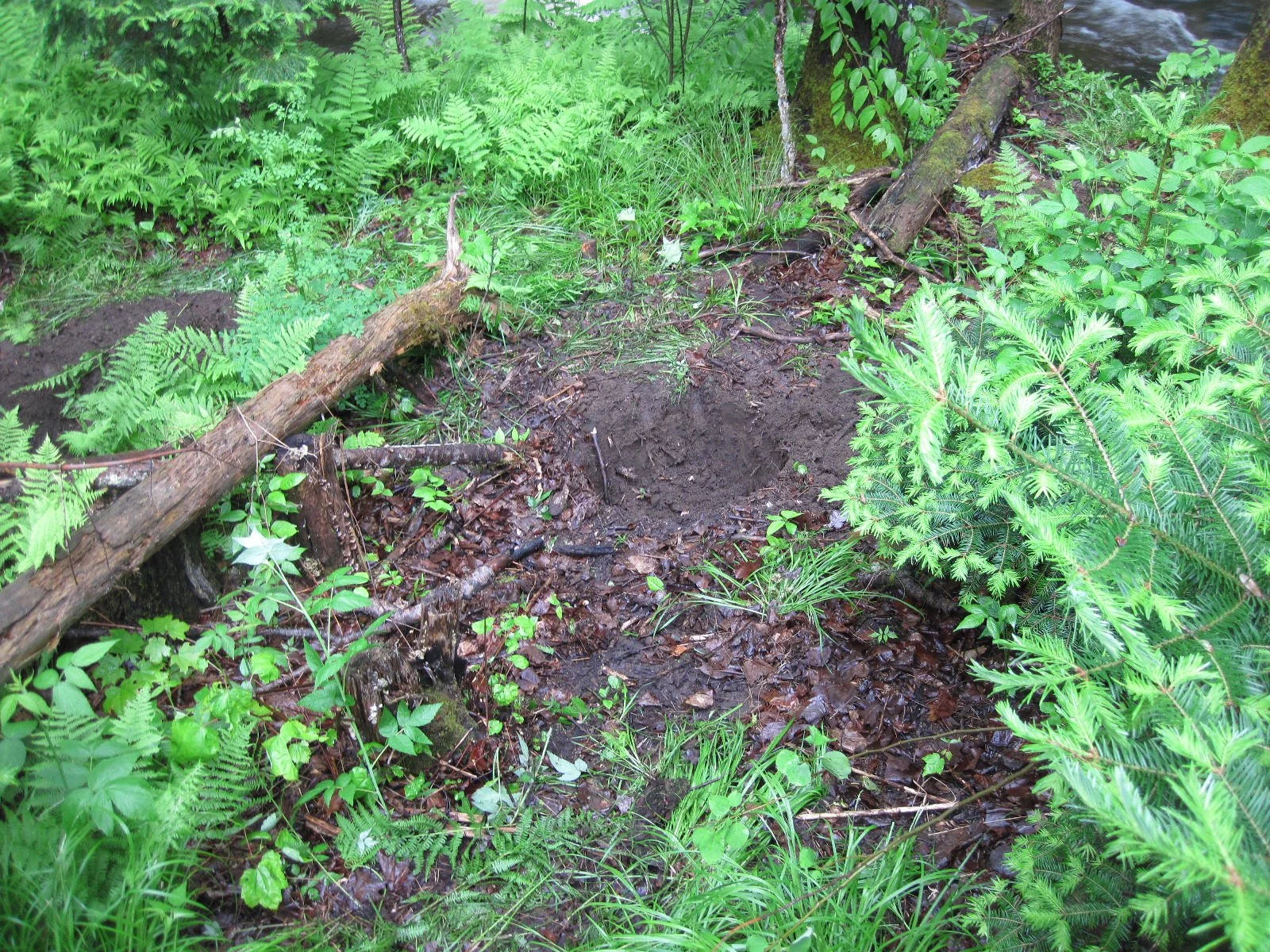
Areas should be cleared before planting to give the new trees room and lessen competition for water…
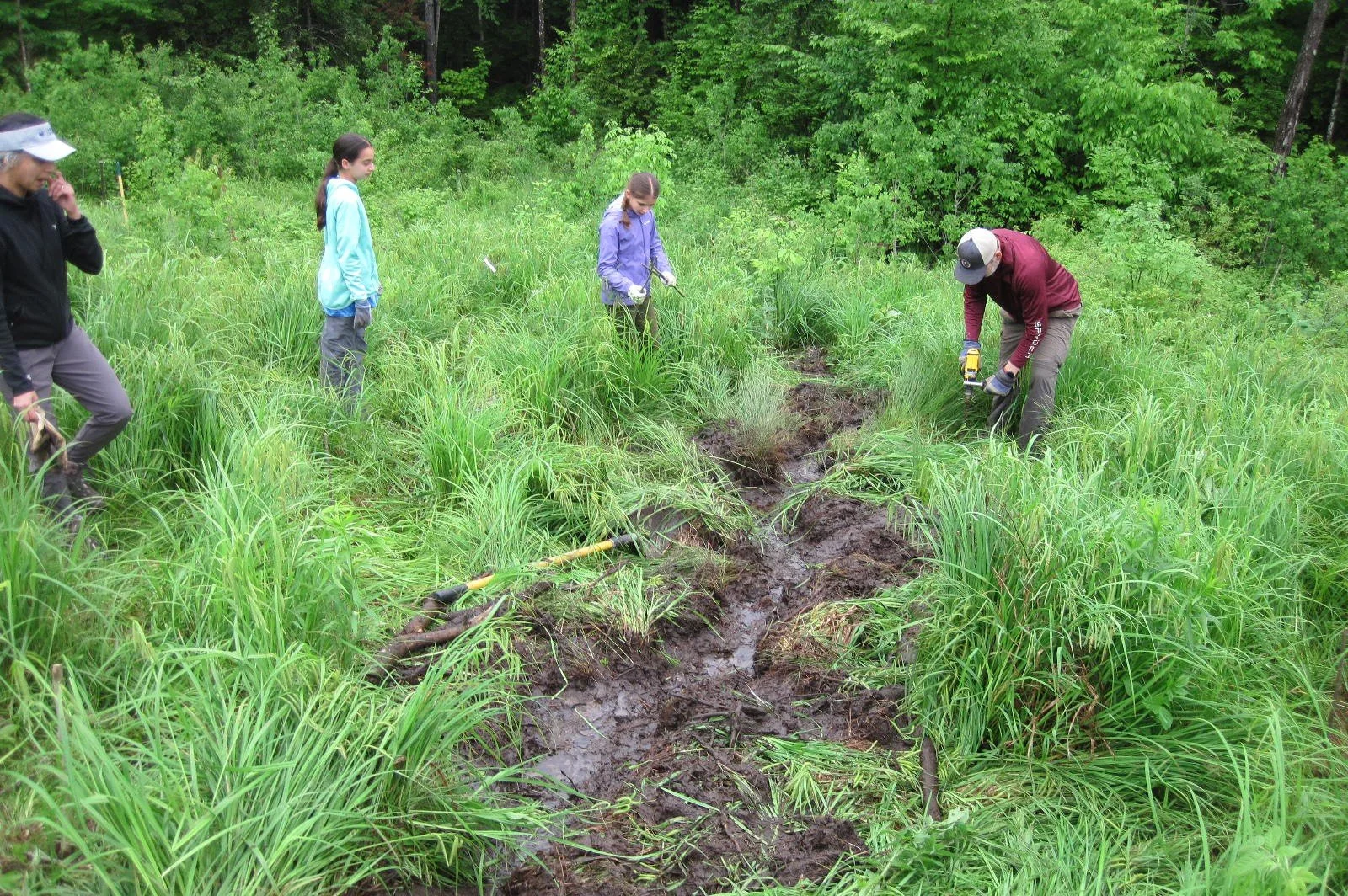
Restoring a hillside where skidder tracks destroyed historical run-off channels prior to planting…
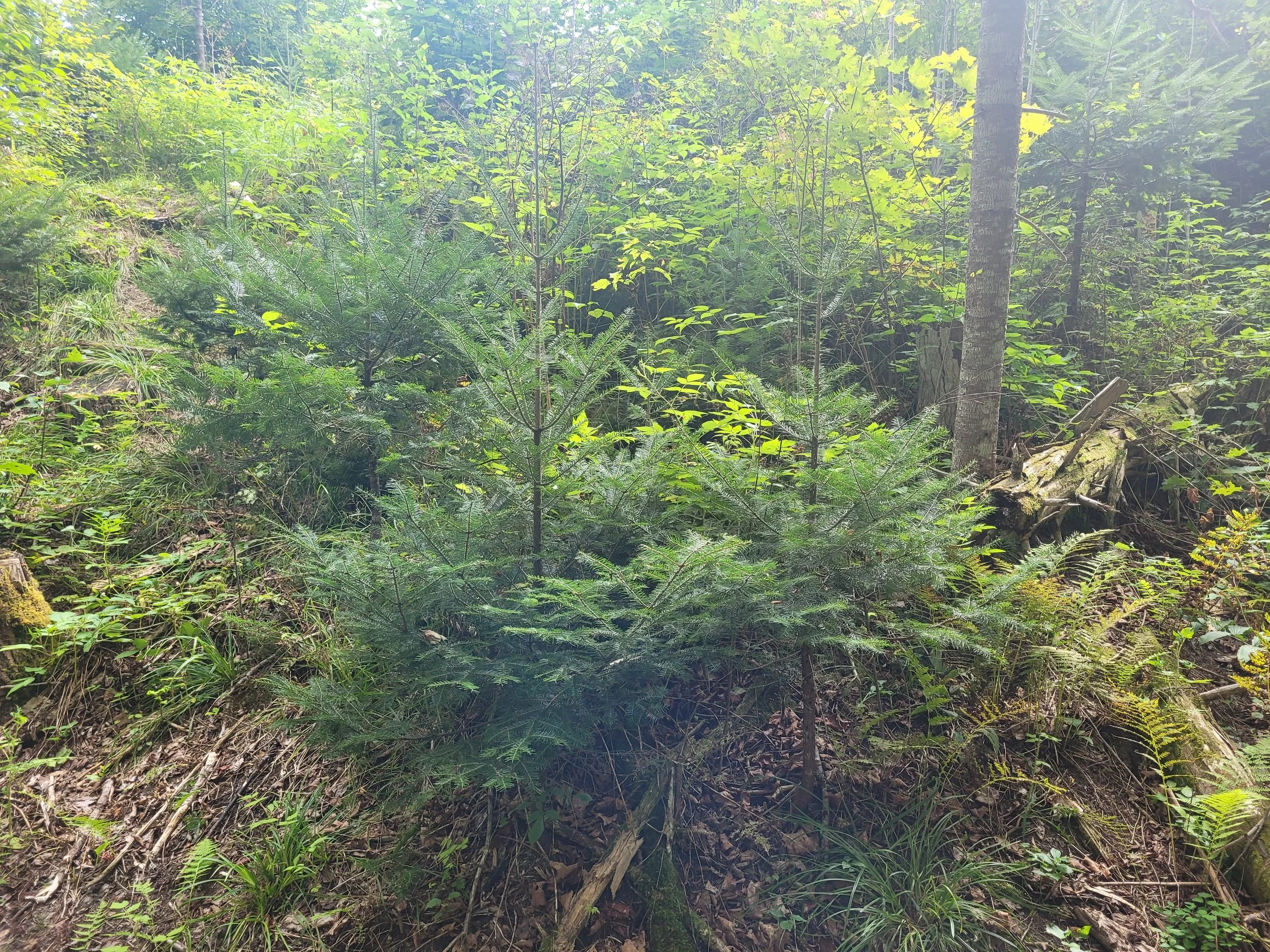
Clearing around existing desirable trees can help increase and speed up growth…