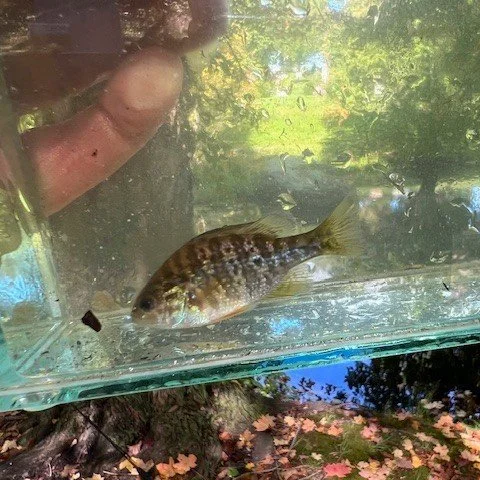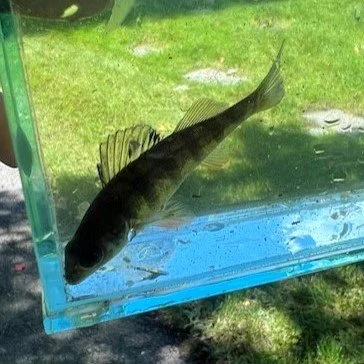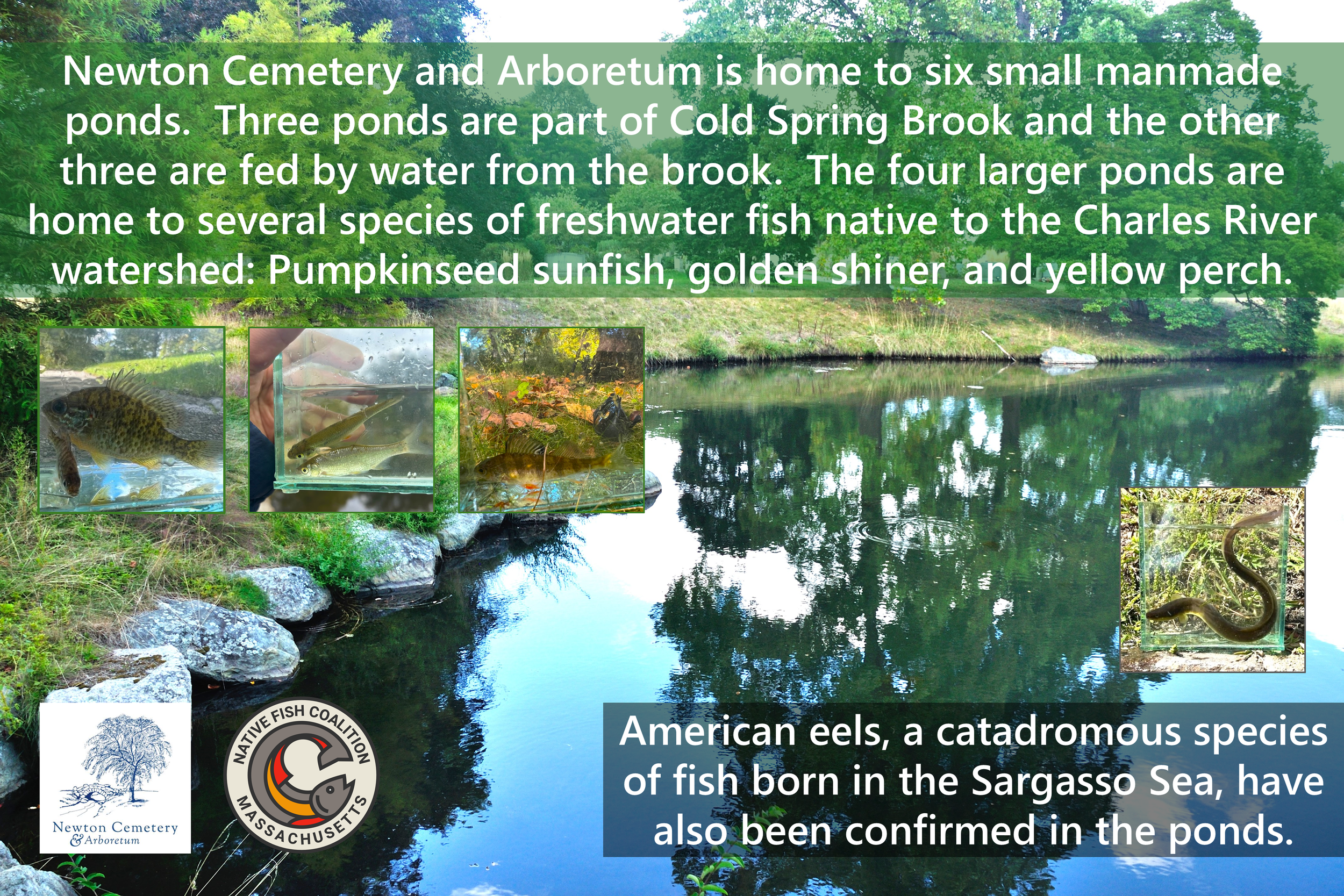
Holistic Stream Assessment/Restoration: Cold Spring Brook (Newton Cemetery and Arboretum)...
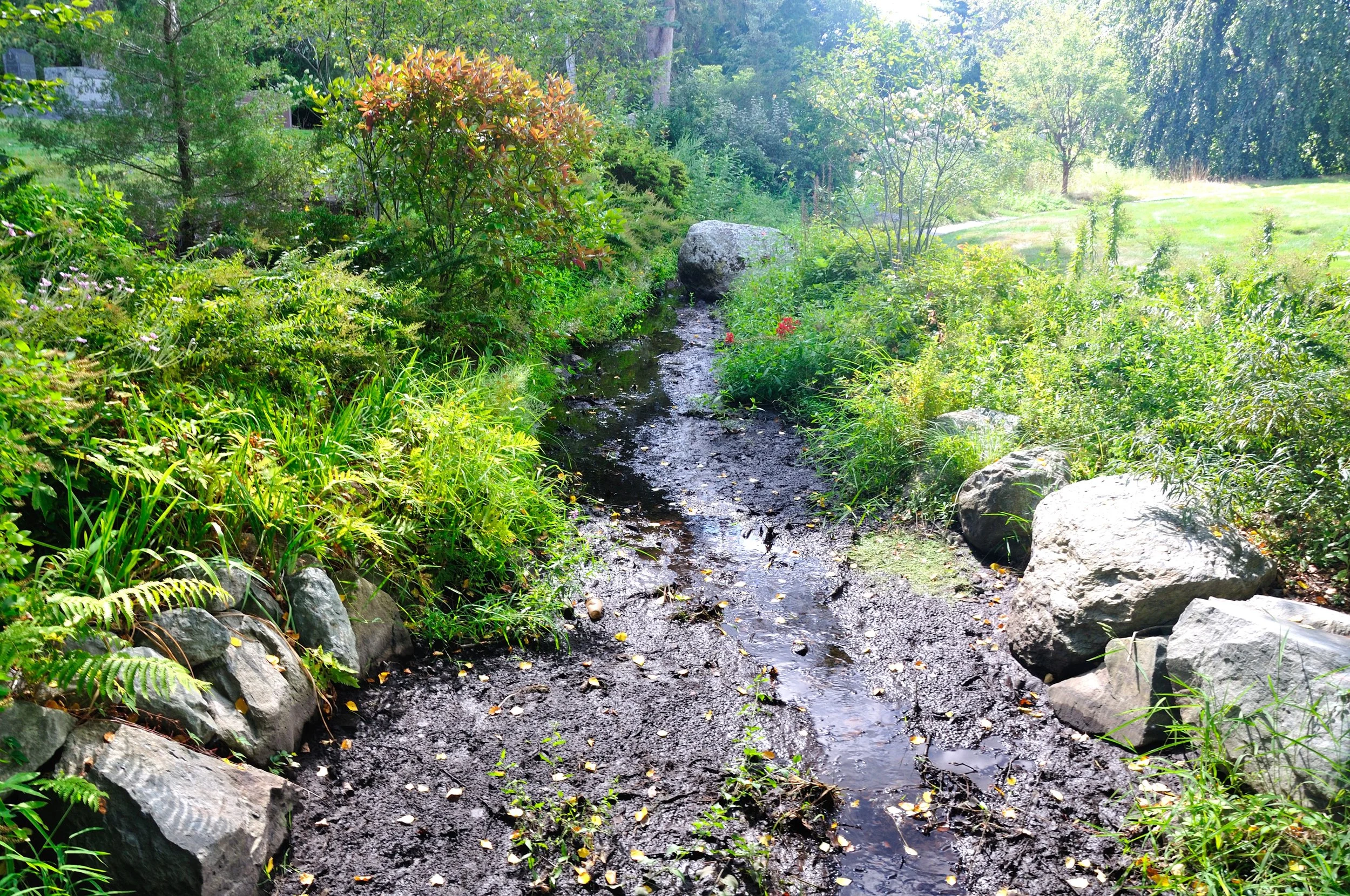
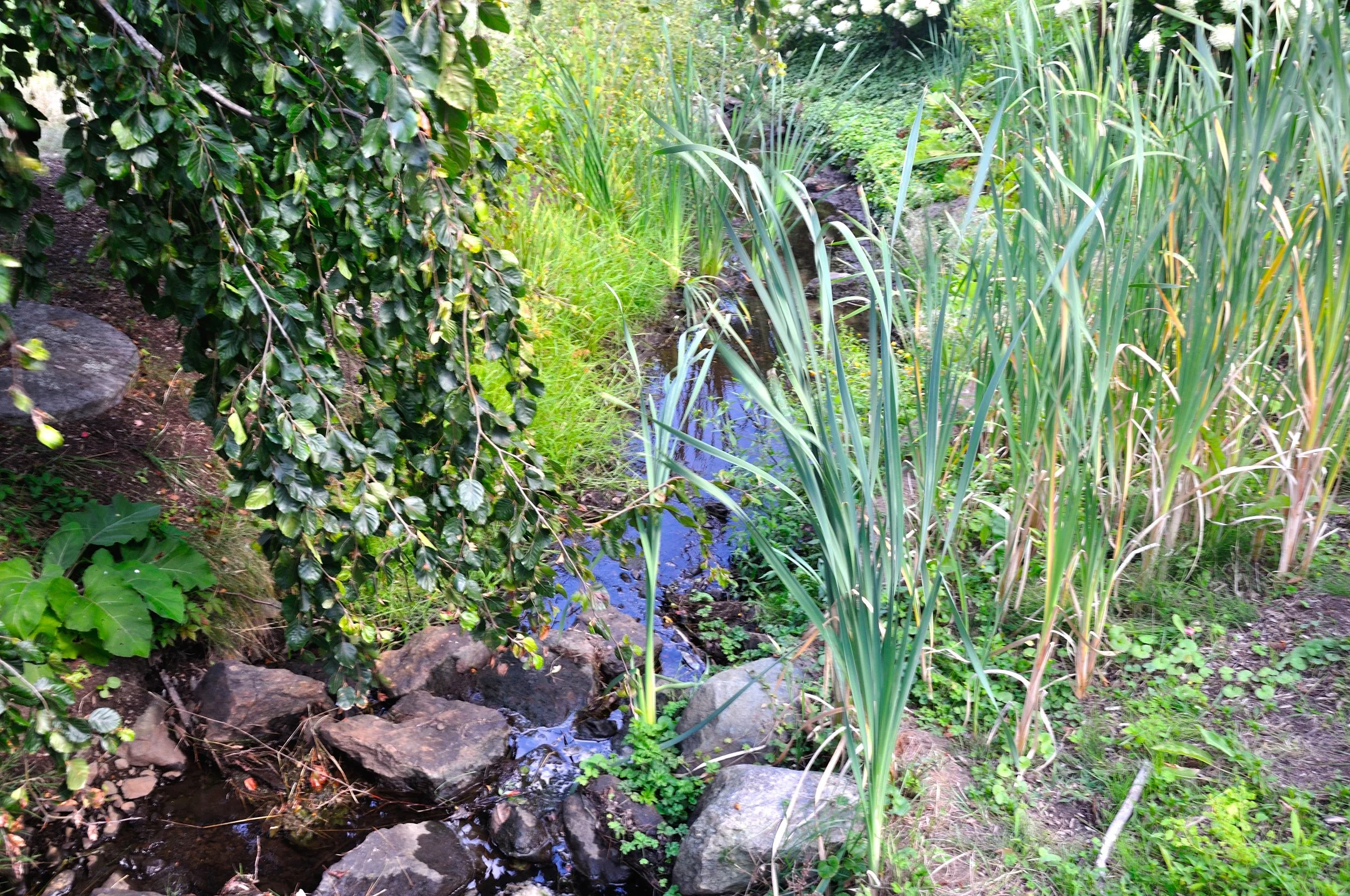
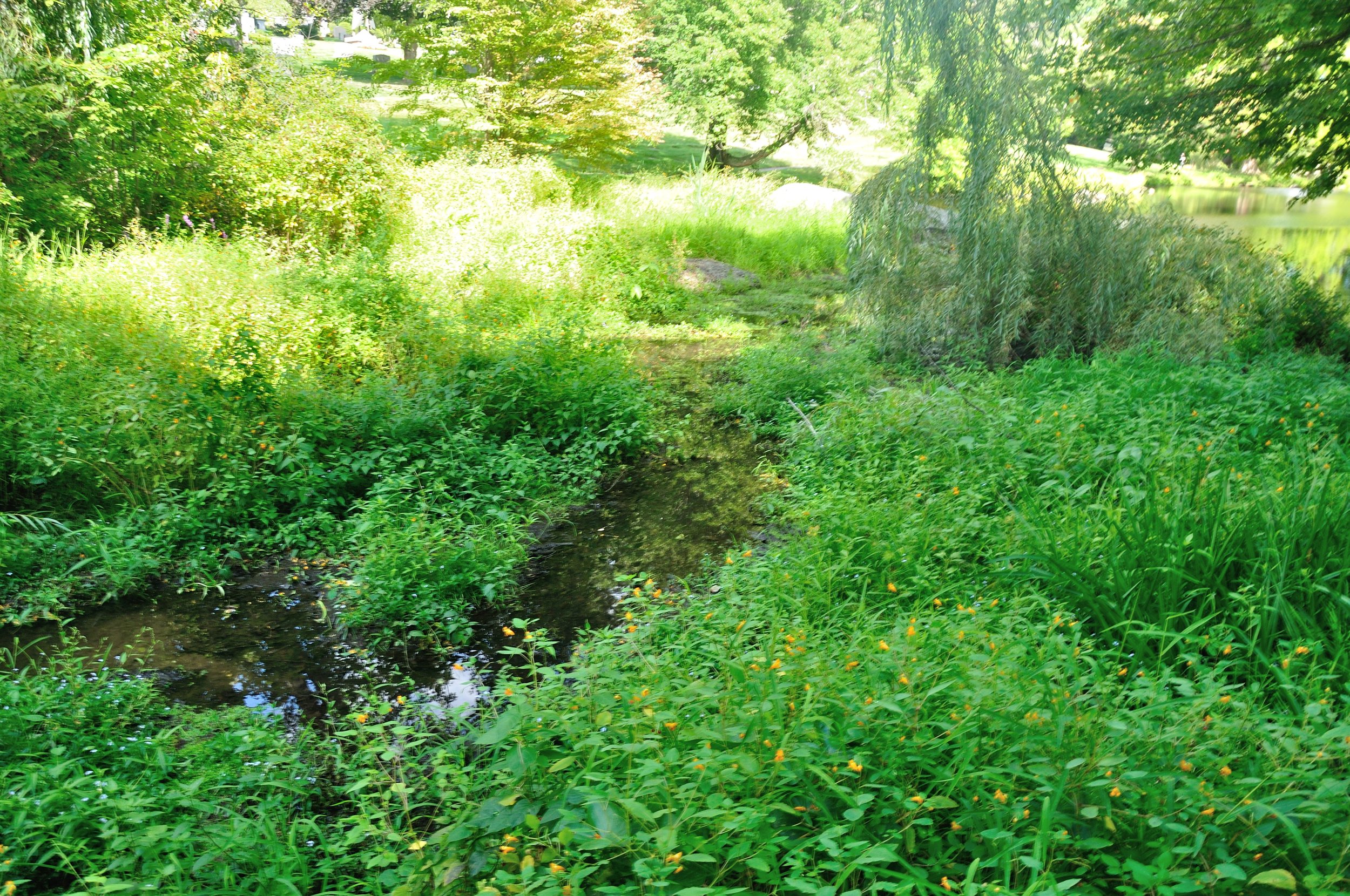
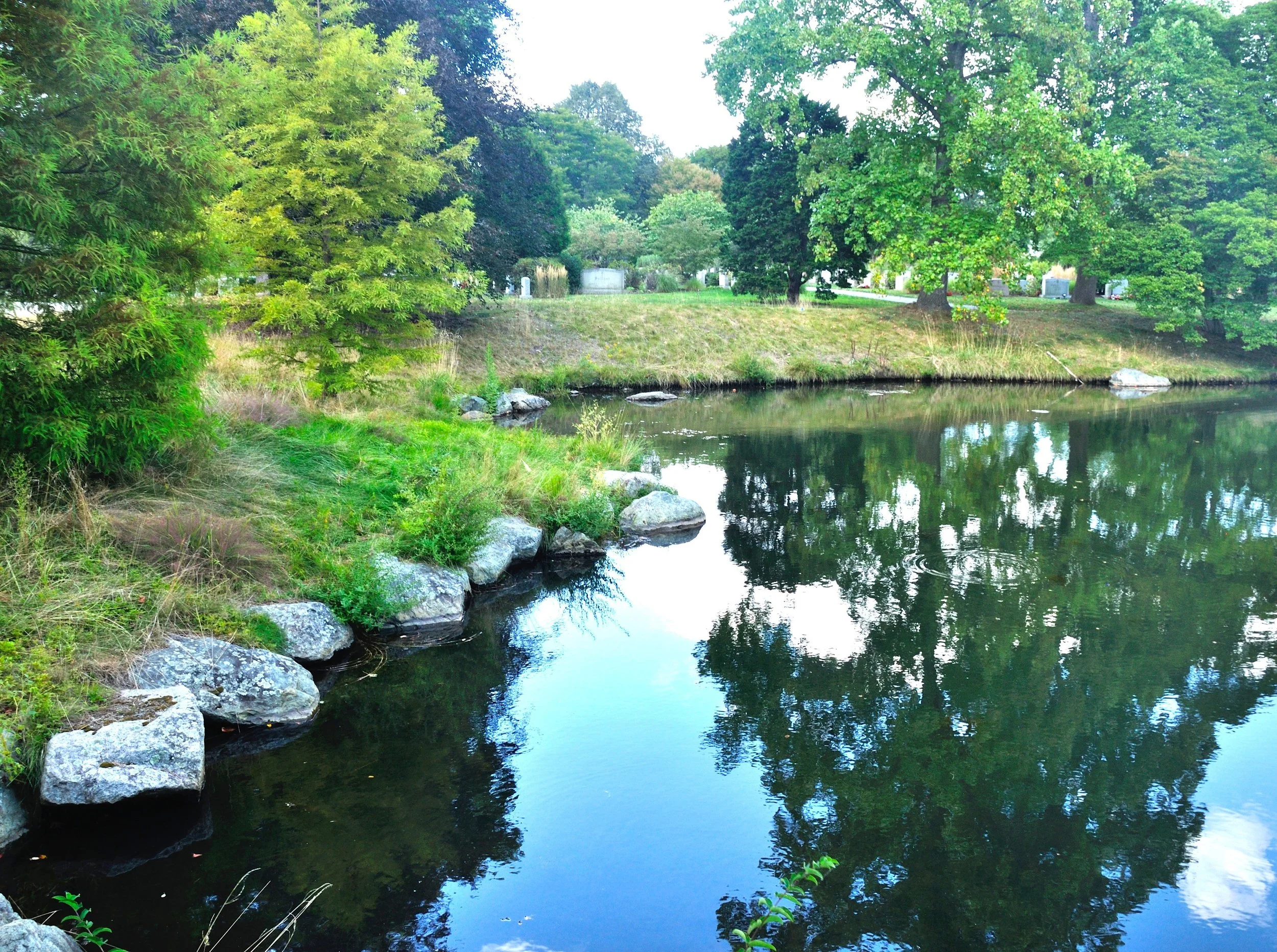
A rare daylighted section of Cold Spring Brook within Newton Cemetery and Arboretum…
NFC has been working at Cold Spring Brook in Newton, Massachusetts, for roughly a year. To date our focus has been on the section of stream within Cold Spring Park, a roughly 67 acre parcel of undeveloped suburban public land that includes the long buried headwaters of the stream, Cold Spring.
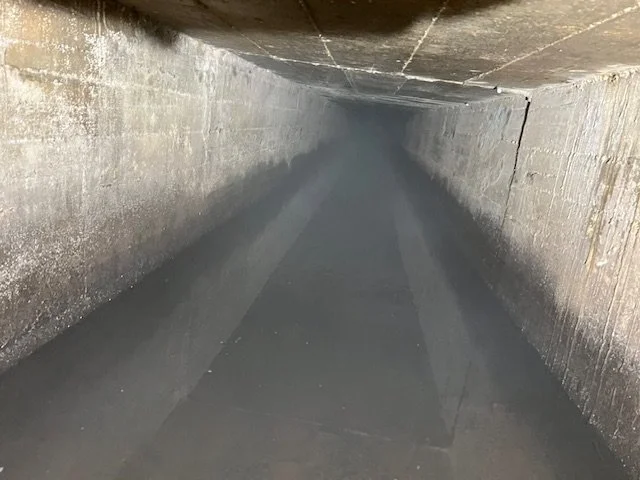
A severely altered waterway, Cold Spring Brook within Cold Spring Park has been straightened, dredged, buried, and moved. Over a period of roughly a century, the stream has filled with several feet of decaying organic matter, leaving it mostly devoid of aquatic life, or so folks thought…
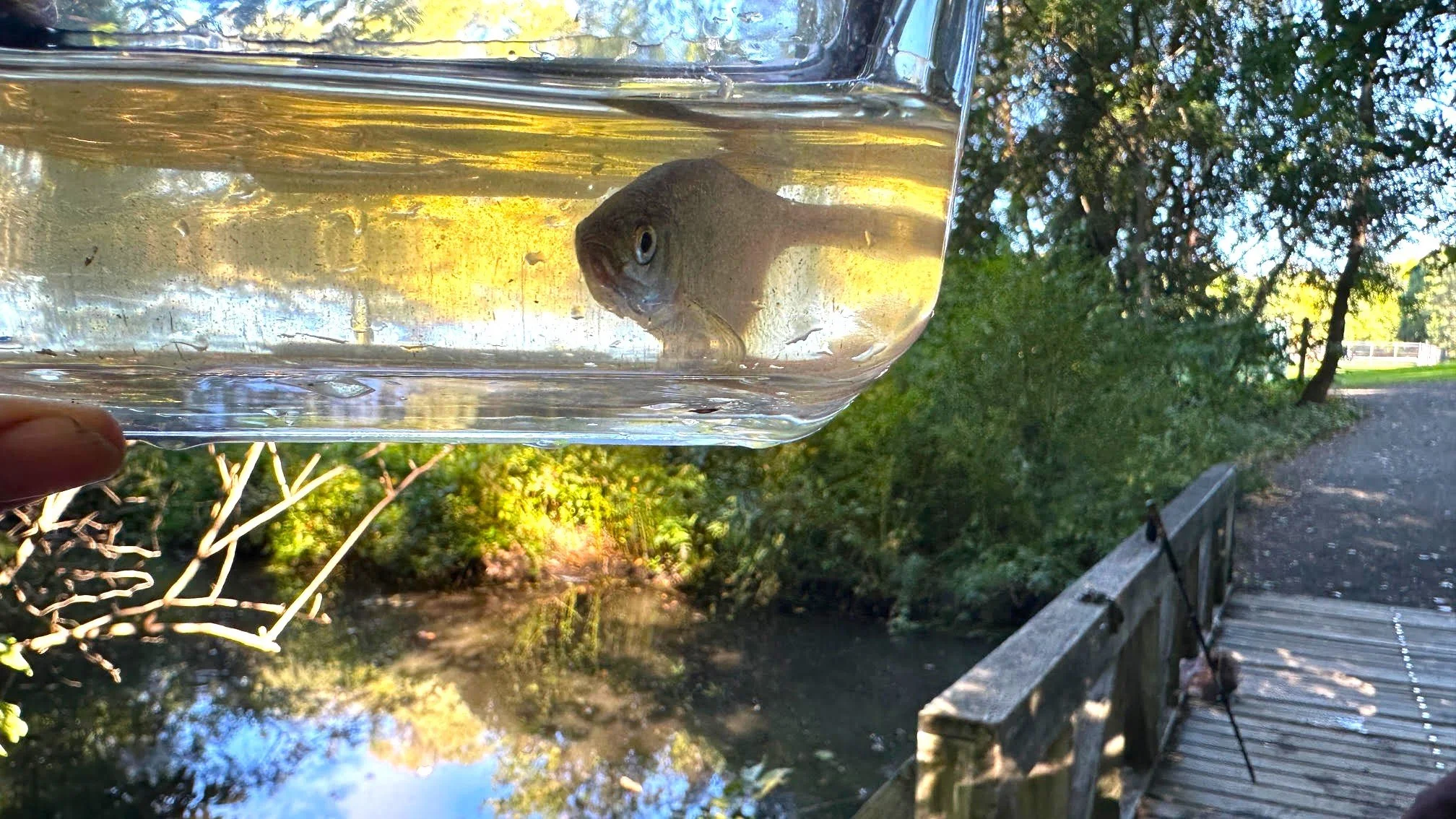
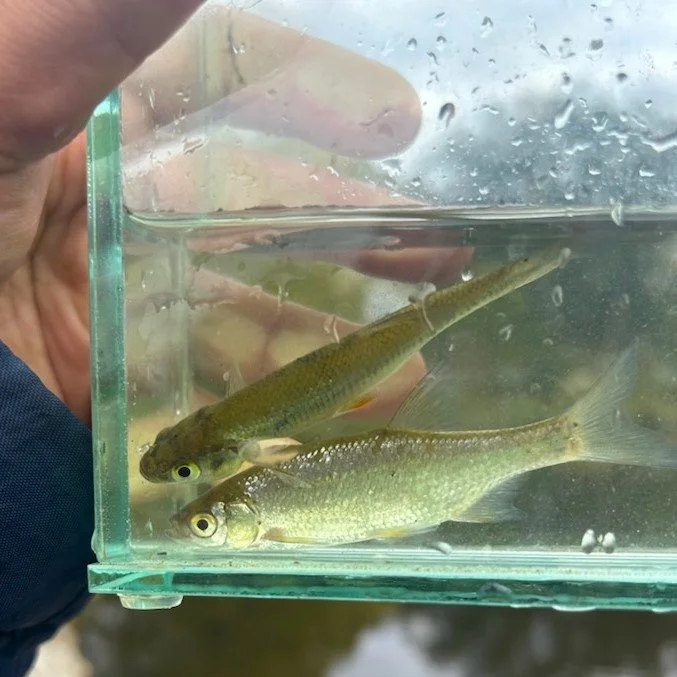
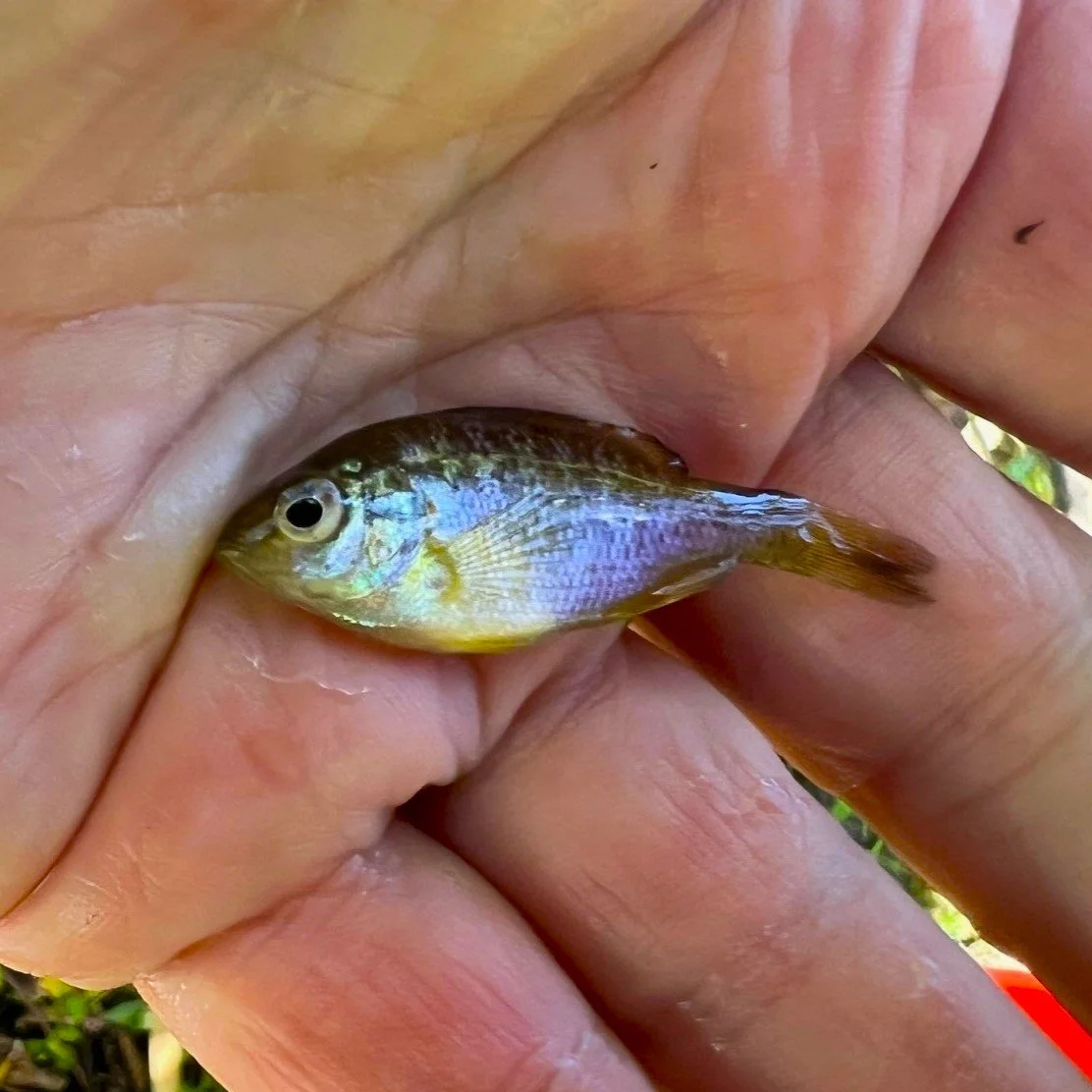
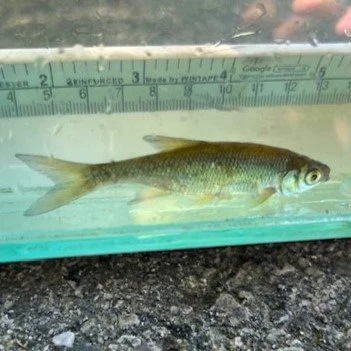
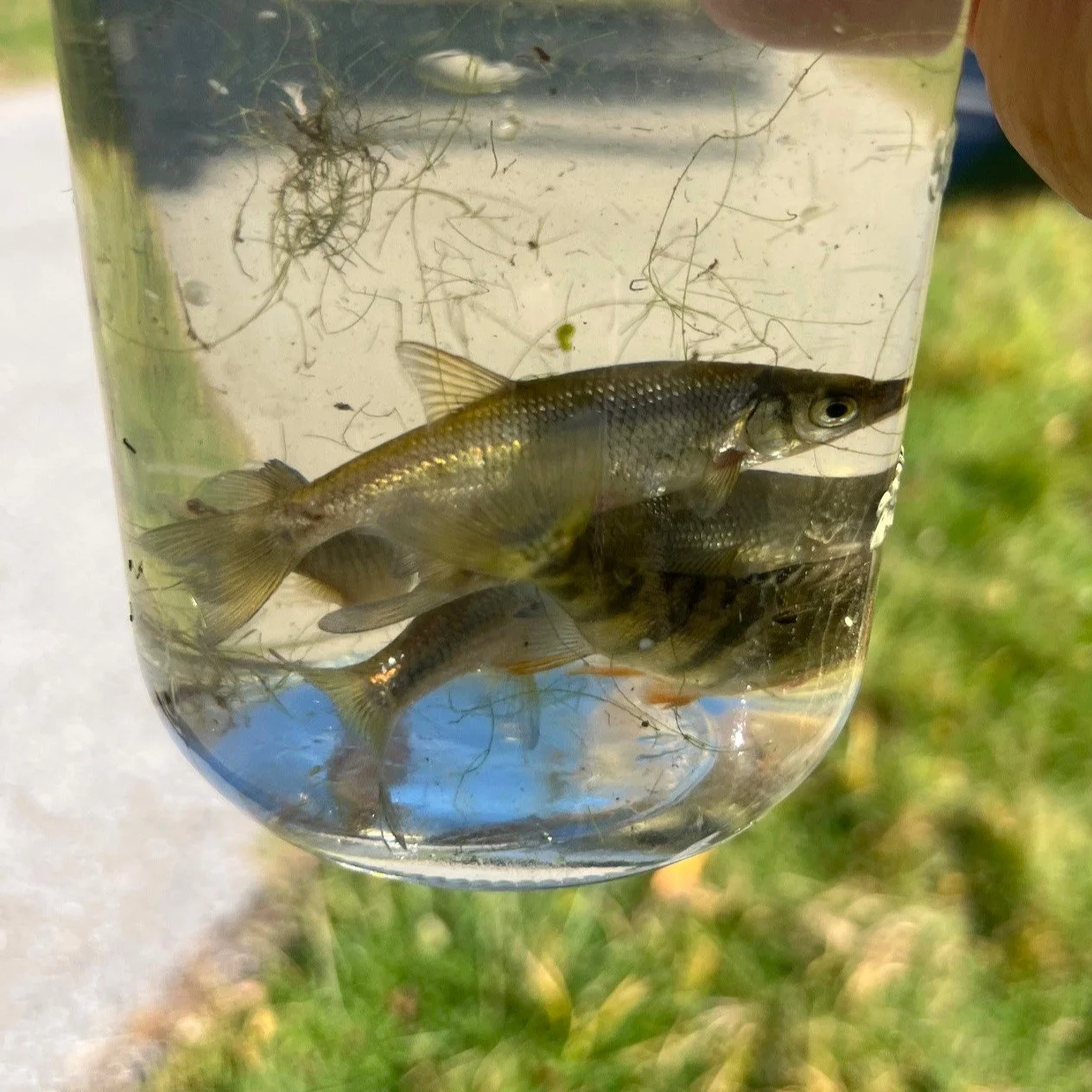
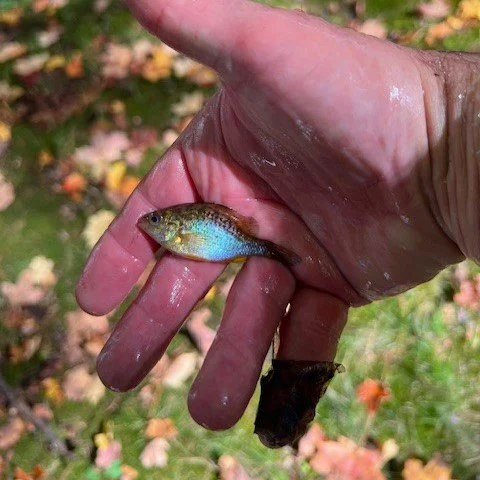
A golden shiner captured from the primary tributary to Cold Spring Brook within Cold Spring Park…
Wanting to understand what if anything could be done in regard to the degraded condition of the stream, NFC undertook a series of visual surveys within Cold Spring Park. During one outing, MA NFC board member Jeff Moore found something no one expected — fish… Subsequent surveys turned up multiple age classes of golden shiners in several spots in the stream and its primary tributary in the park.
While inconclusive, eDNA metabarcoding tests showed the presence of American eel in Cold Spring Brook in Cold Spring Park as well. Additional tests using species specific eDNA testing and e-fishing will be needed to confirm or deny this. But if any species of fish is capable of navigating the impossible, it is American eel…
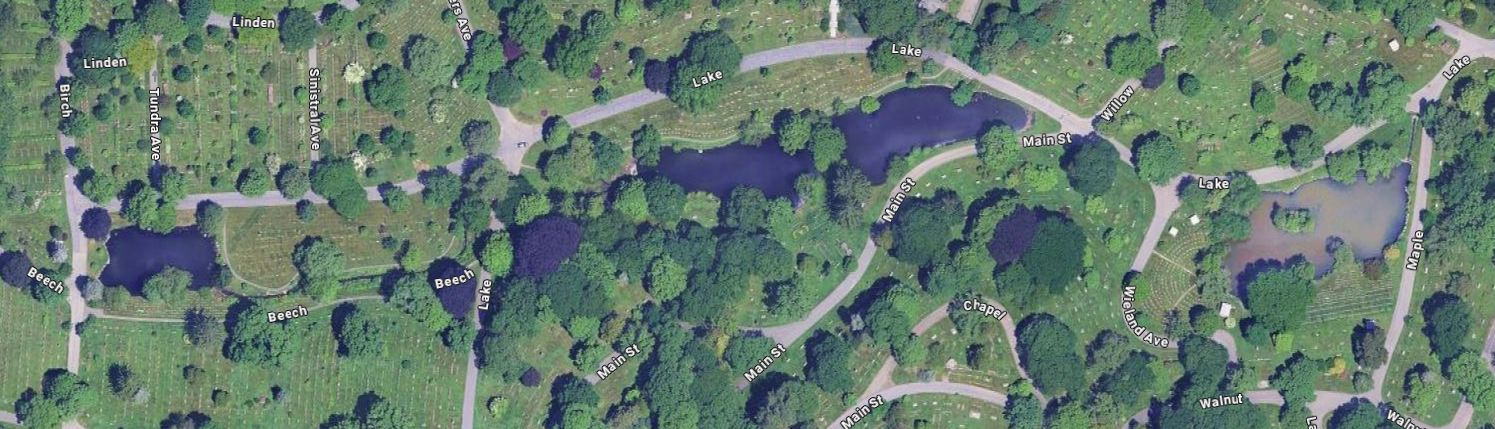
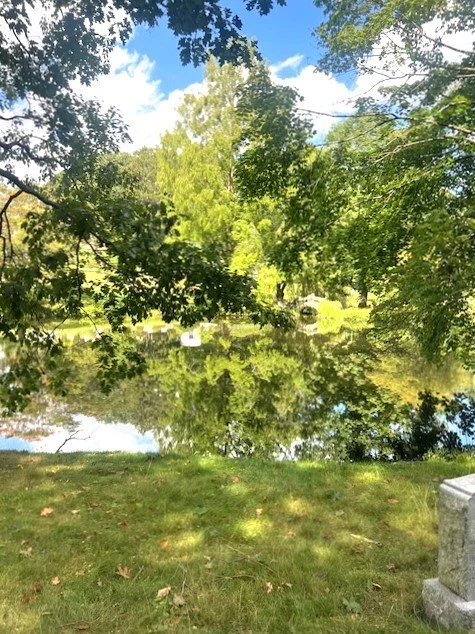
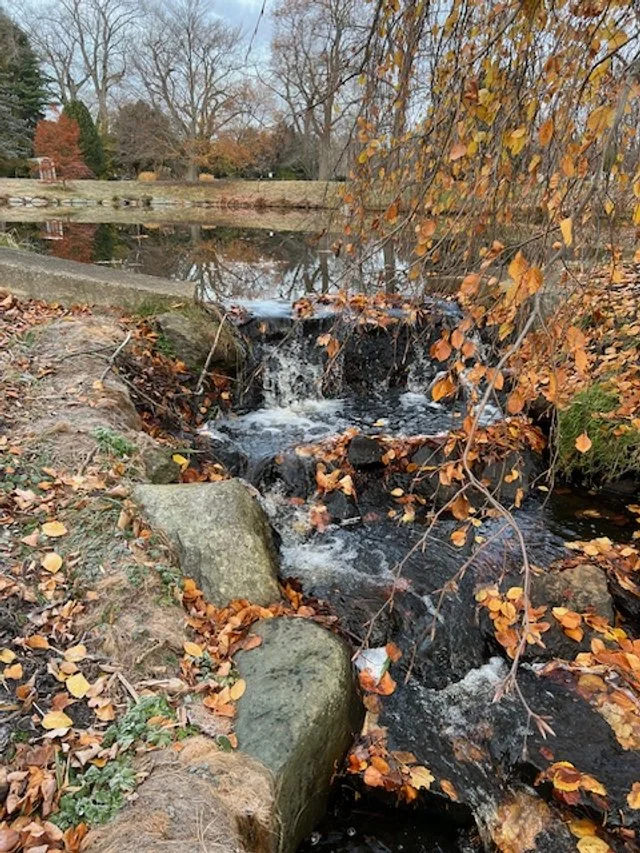
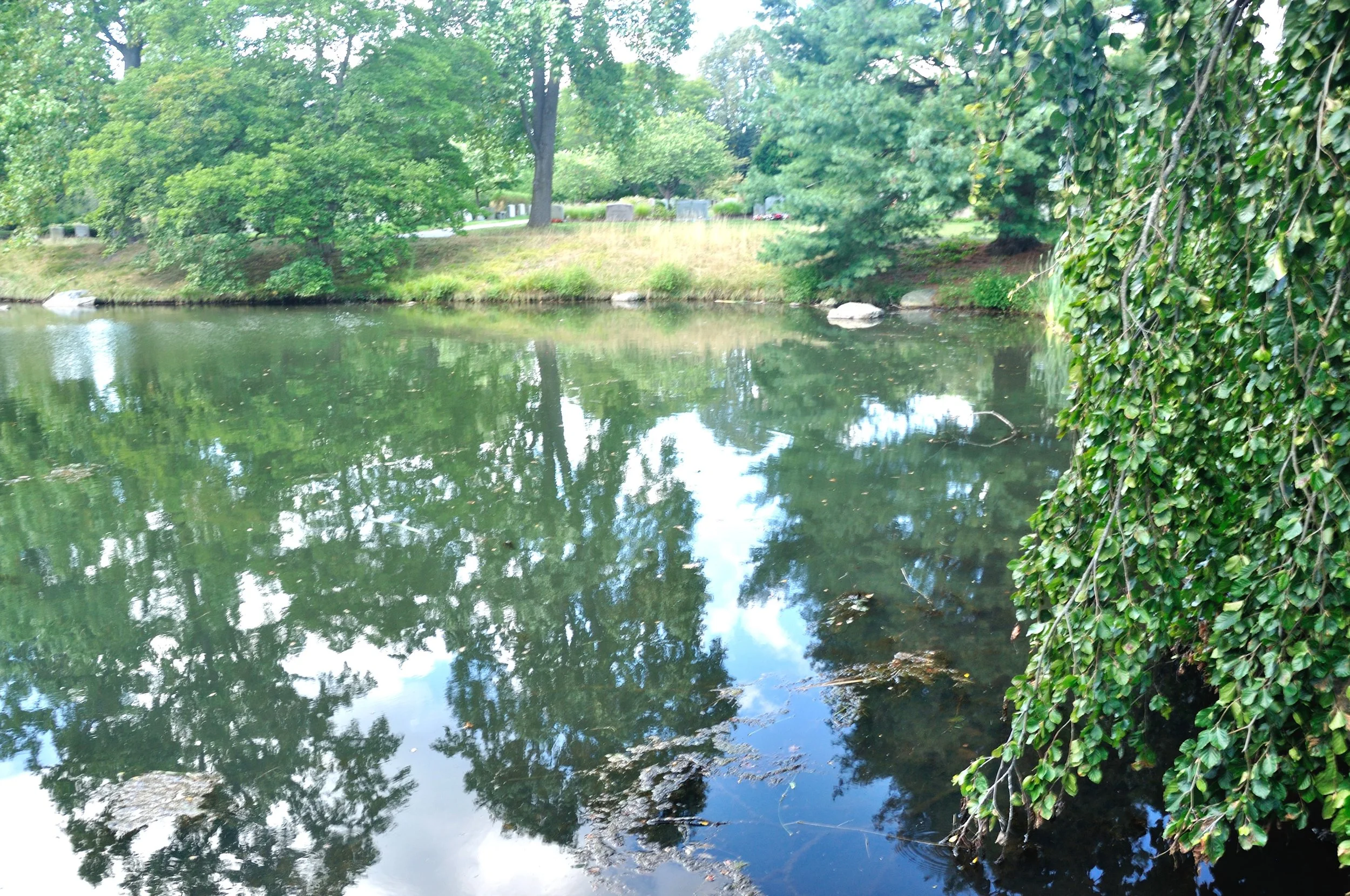
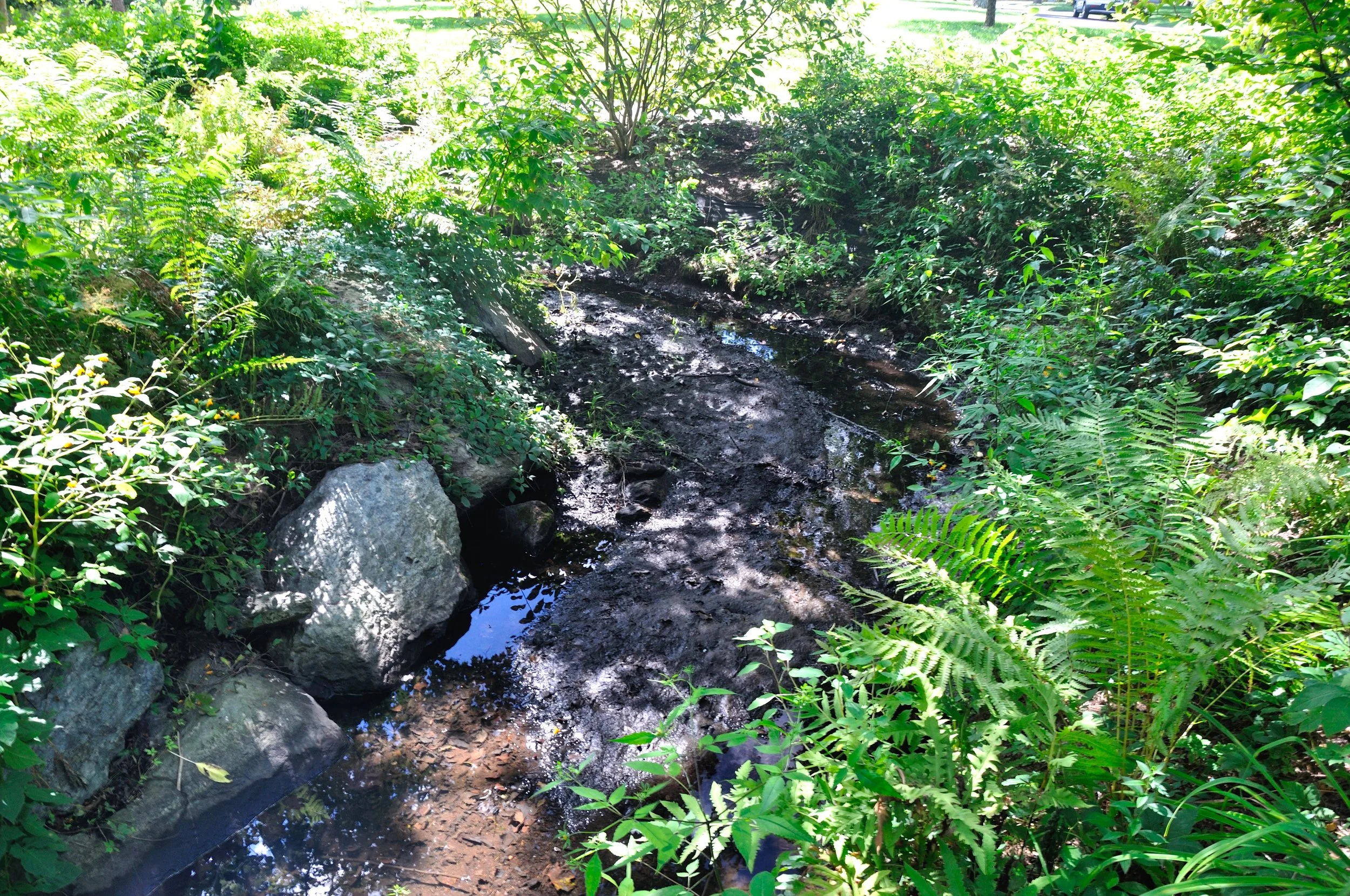
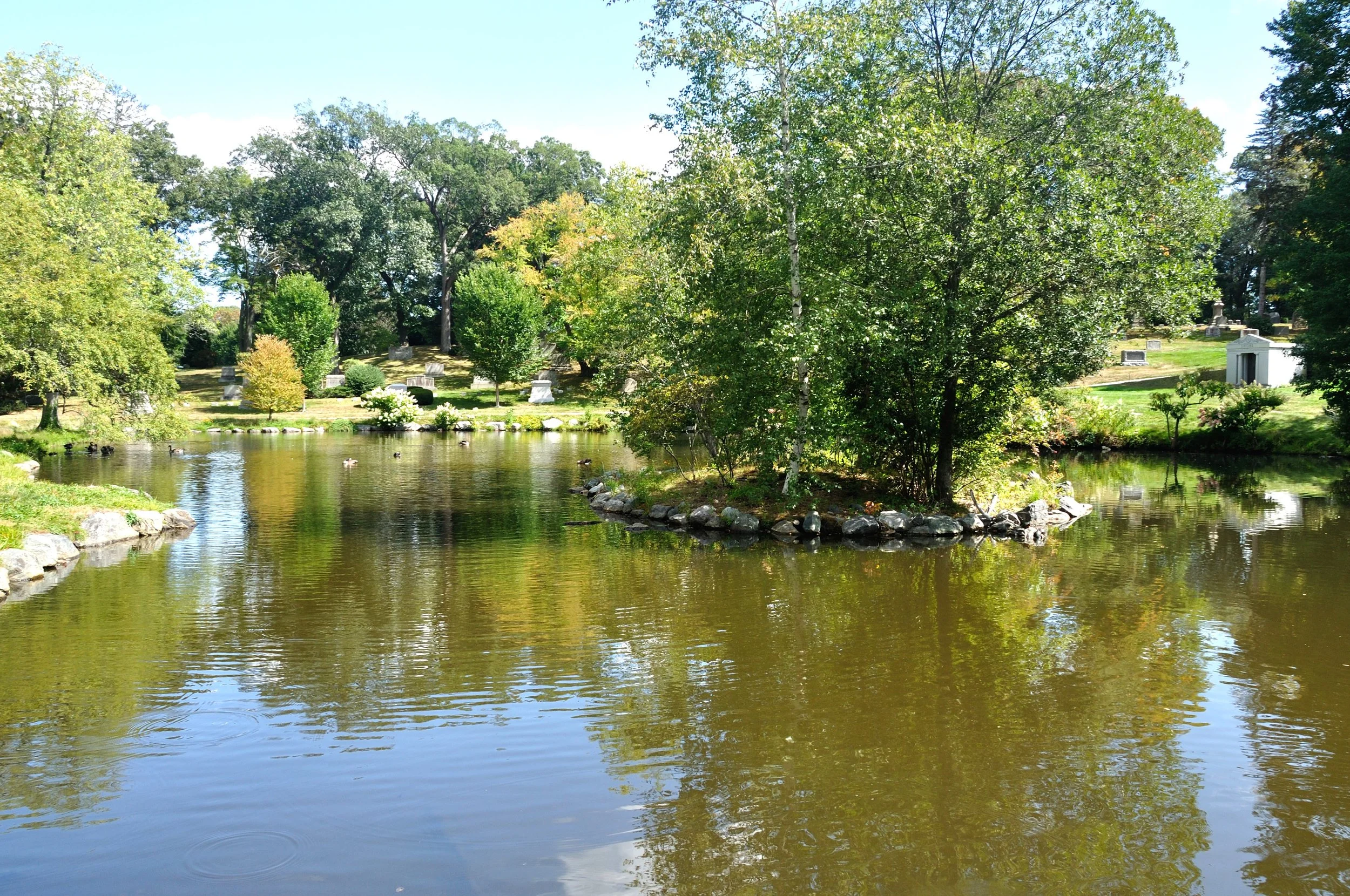
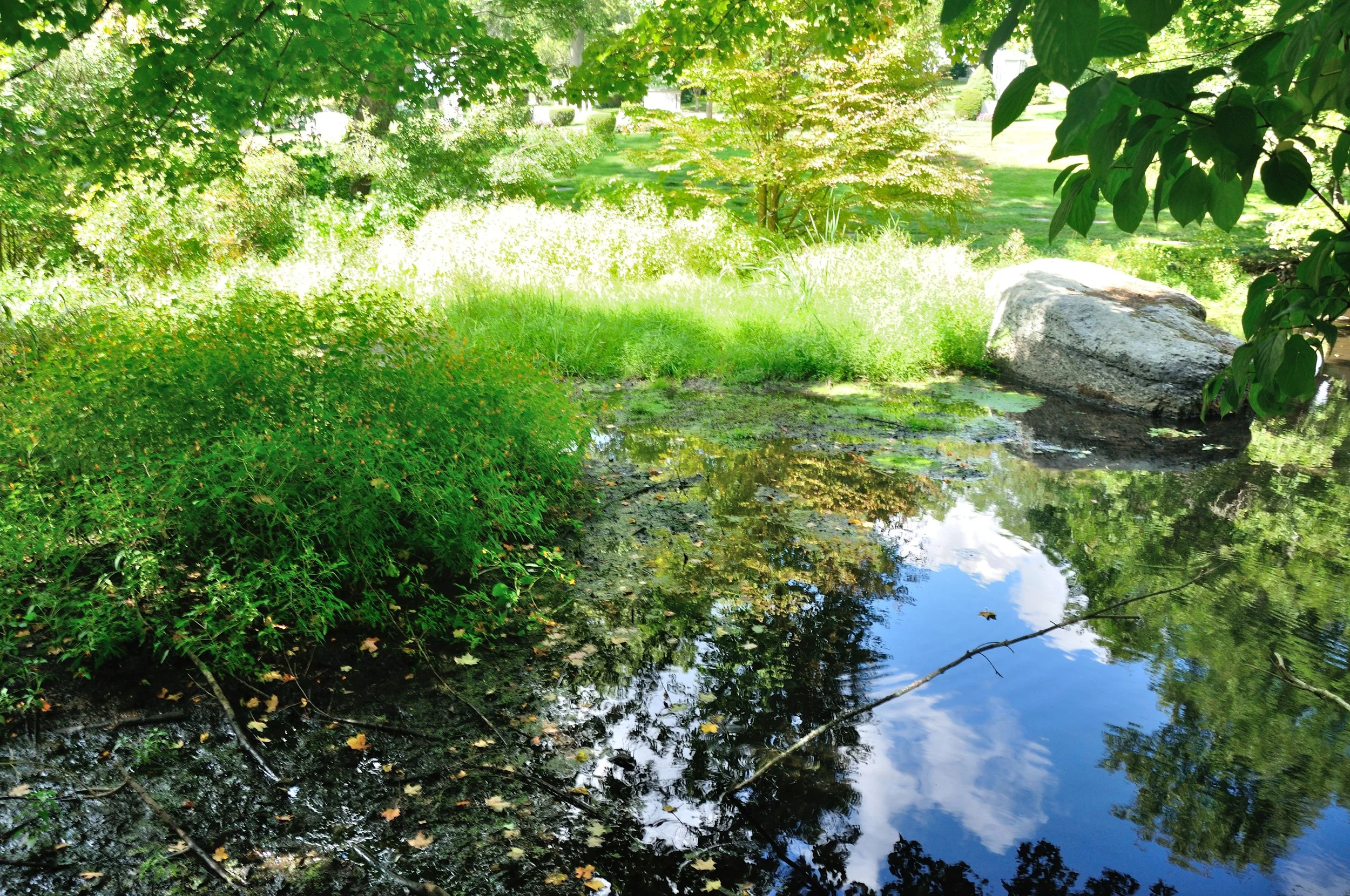
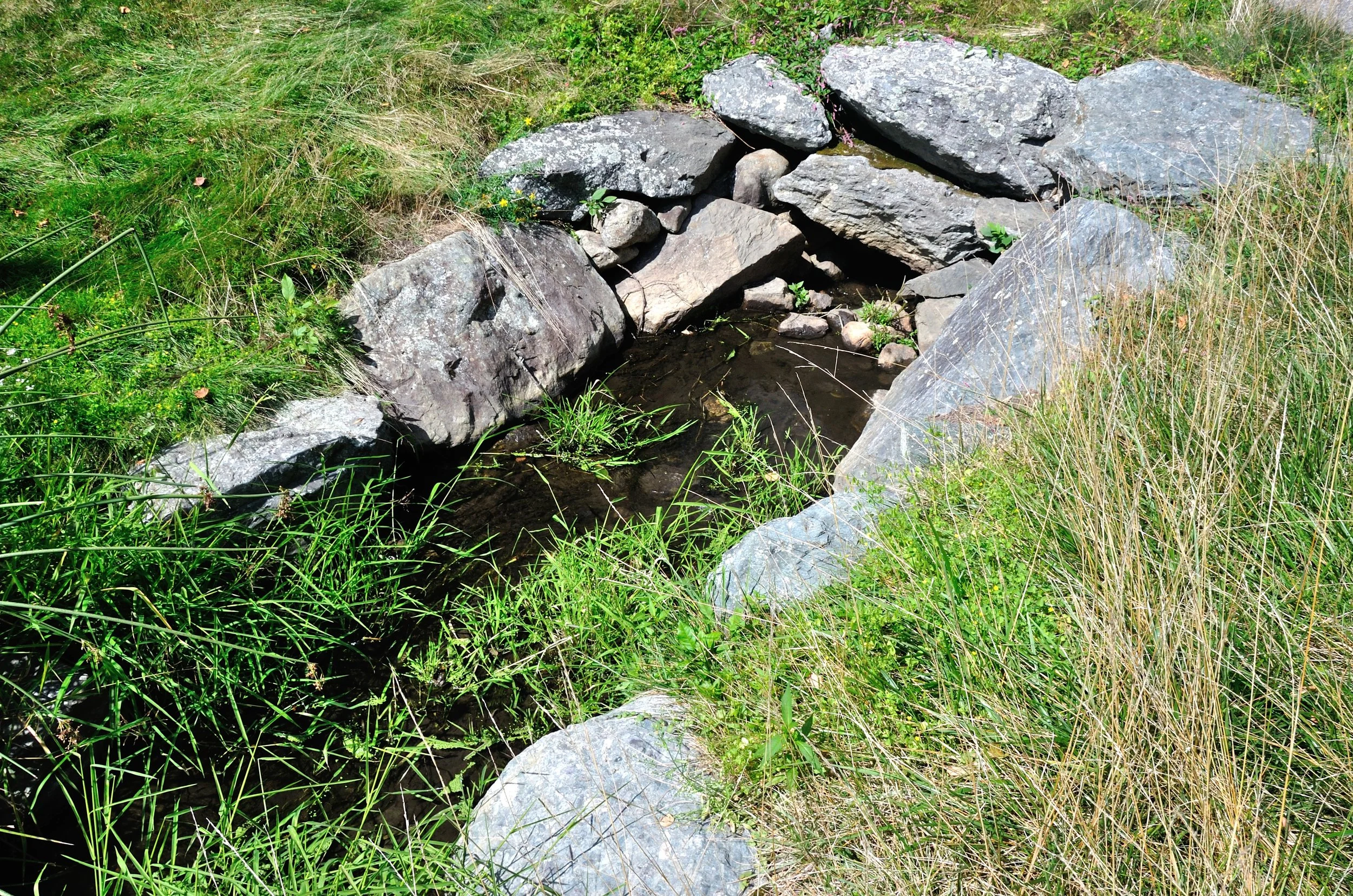
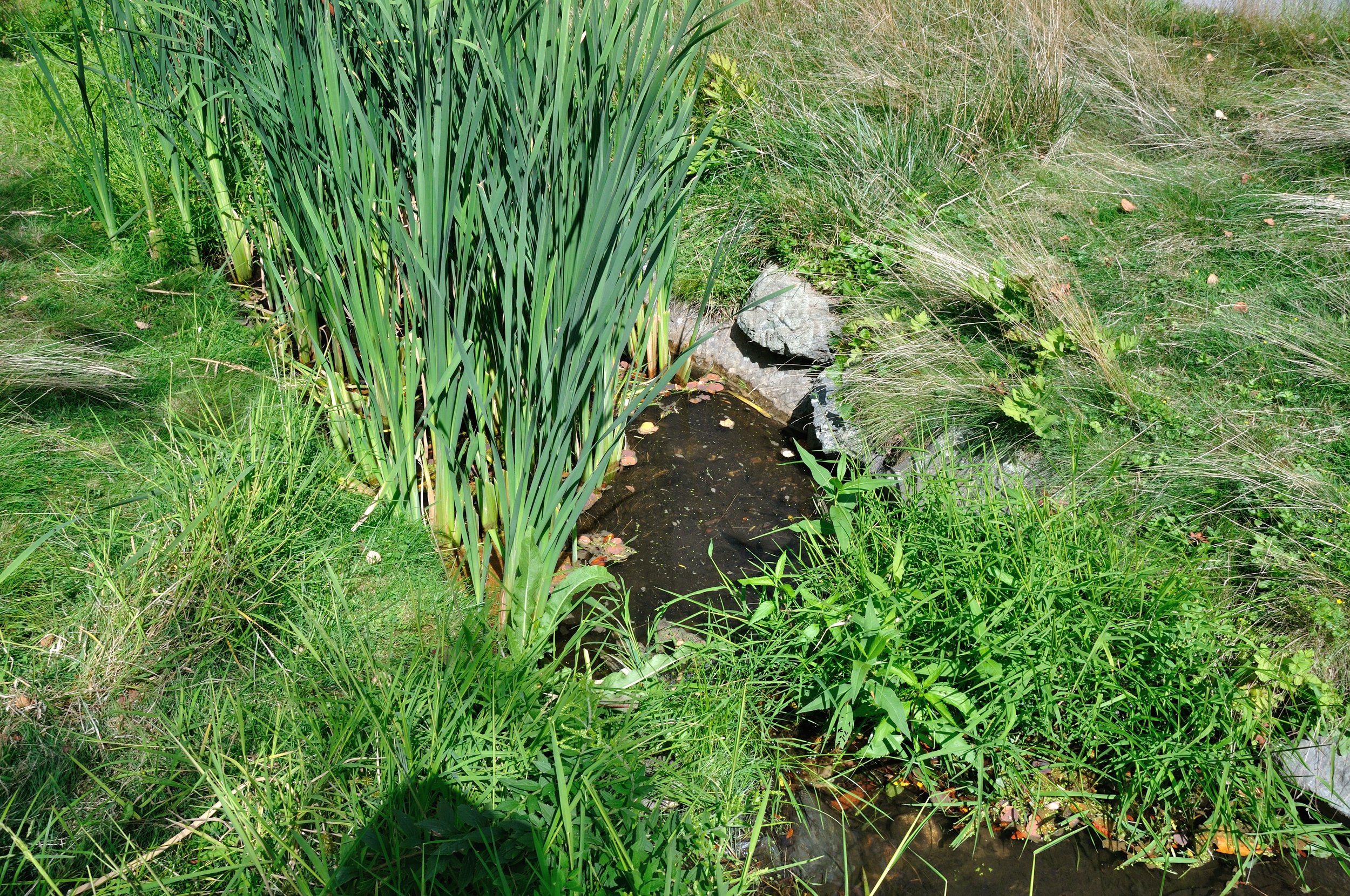
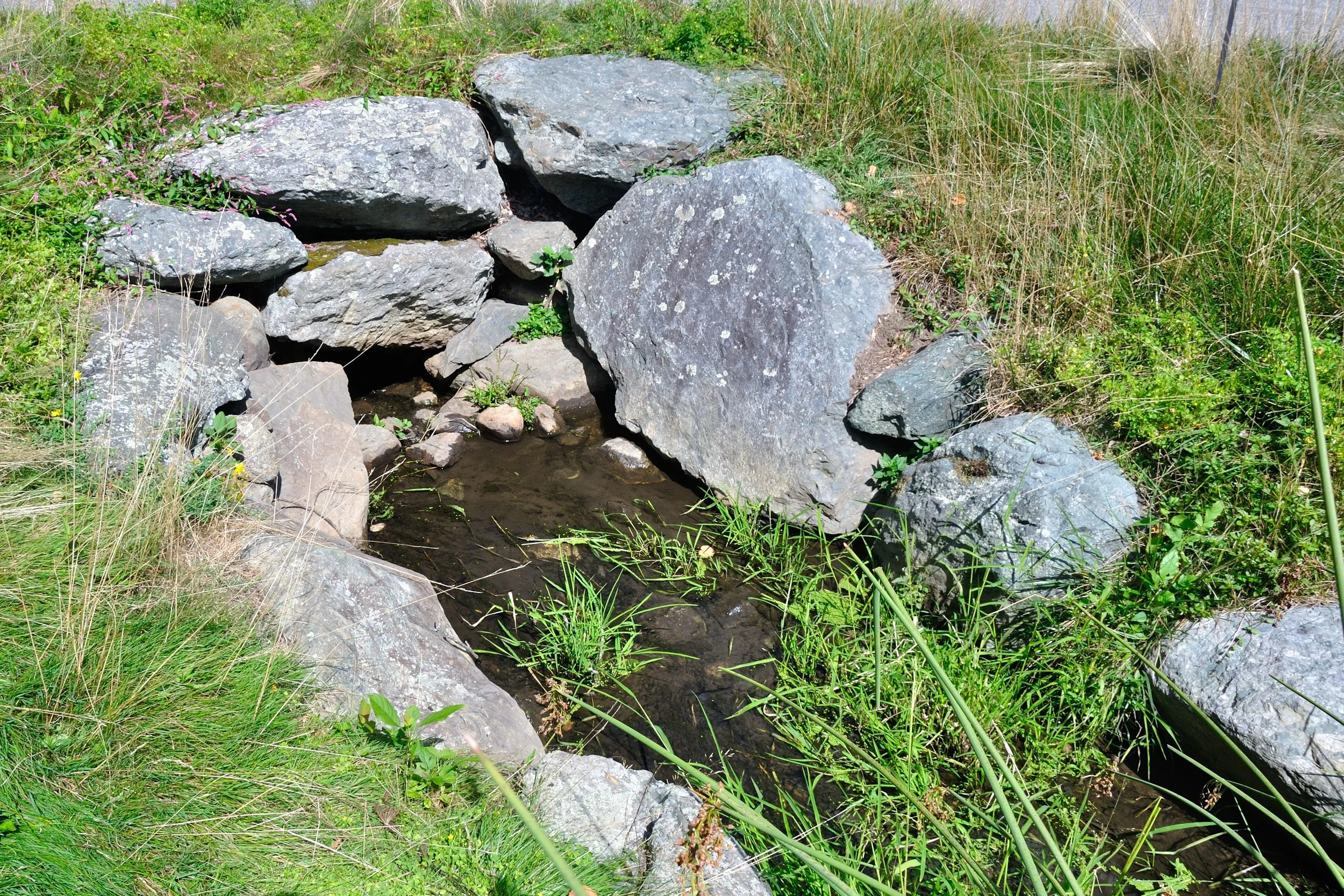
A chain of manmade shallow impoundments on Cold Spring Brook within Newton Cemetery and Arboretum (flow is left to right)…
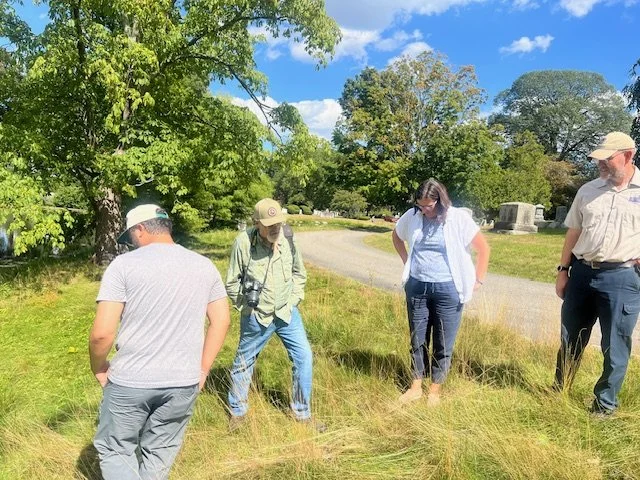
In order to understand what other species of fish could be in Cold Spring Brook within Cold Spring Park, NFC toured the next downstream segment of stream located in Newton Cemetery and Arboretum. This section of stream, mostly a series of small manmade ponds, is separated from Cold Spring Park by roughly 1,500 feet of culverted and buried stream.
NFC’s goal was to understand the stream flow within the cemetery property, identify any potential blockages to fish passage, and see if we could observe any fish…
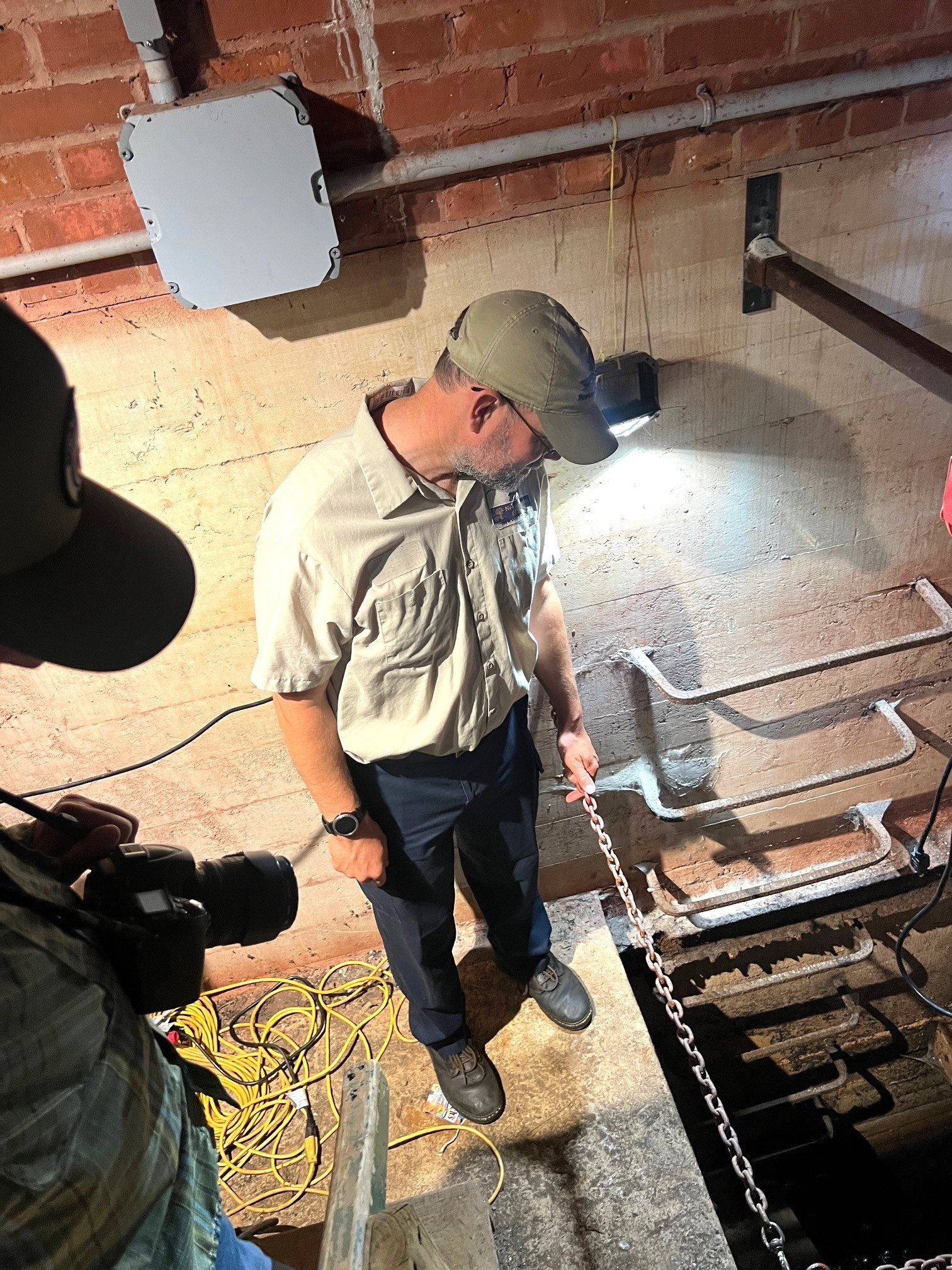
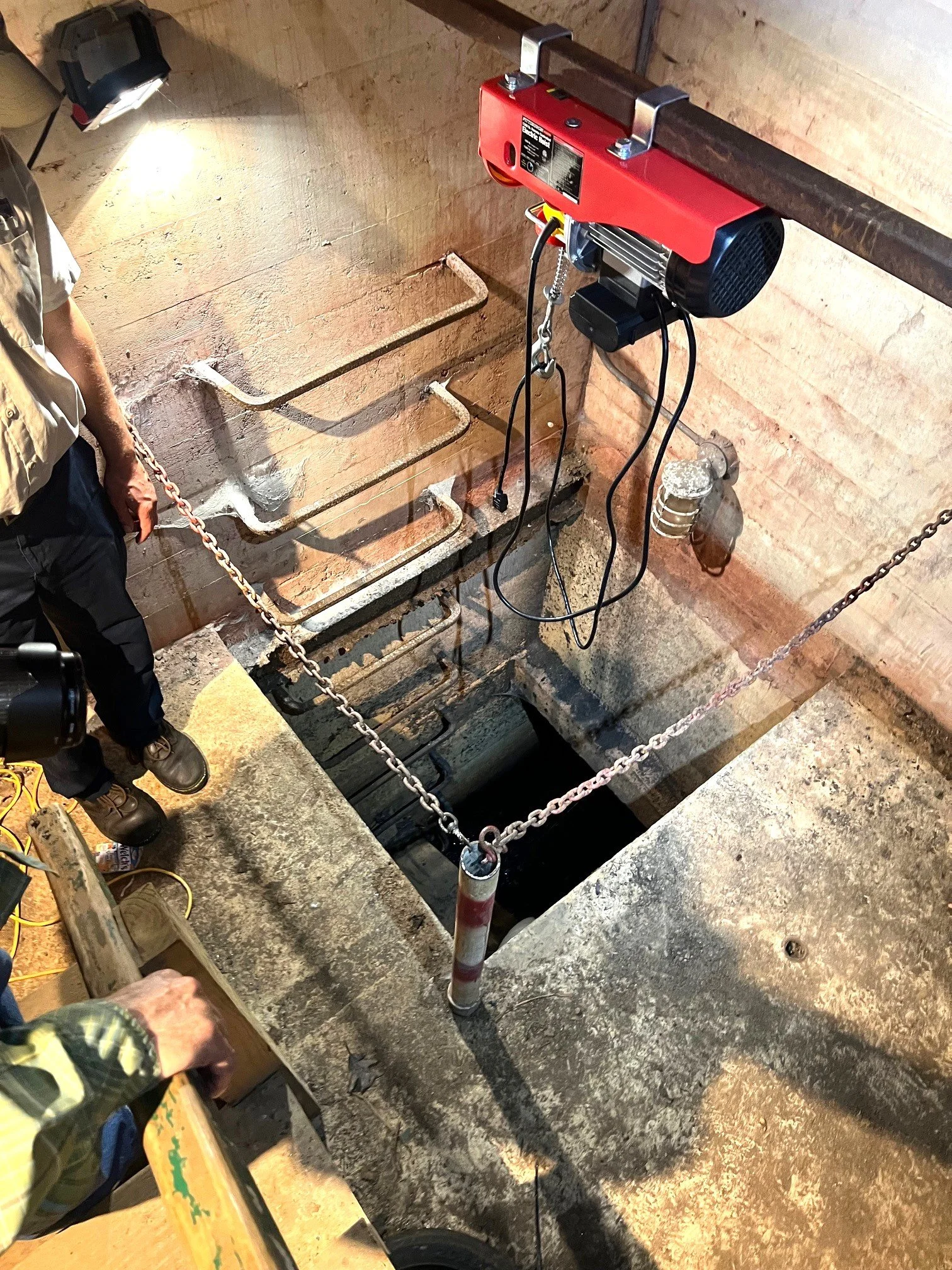
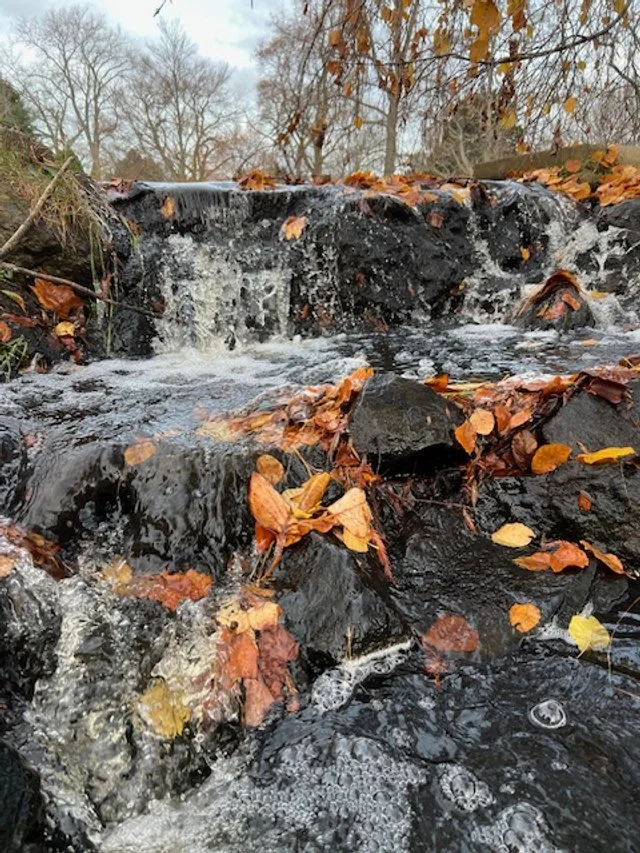
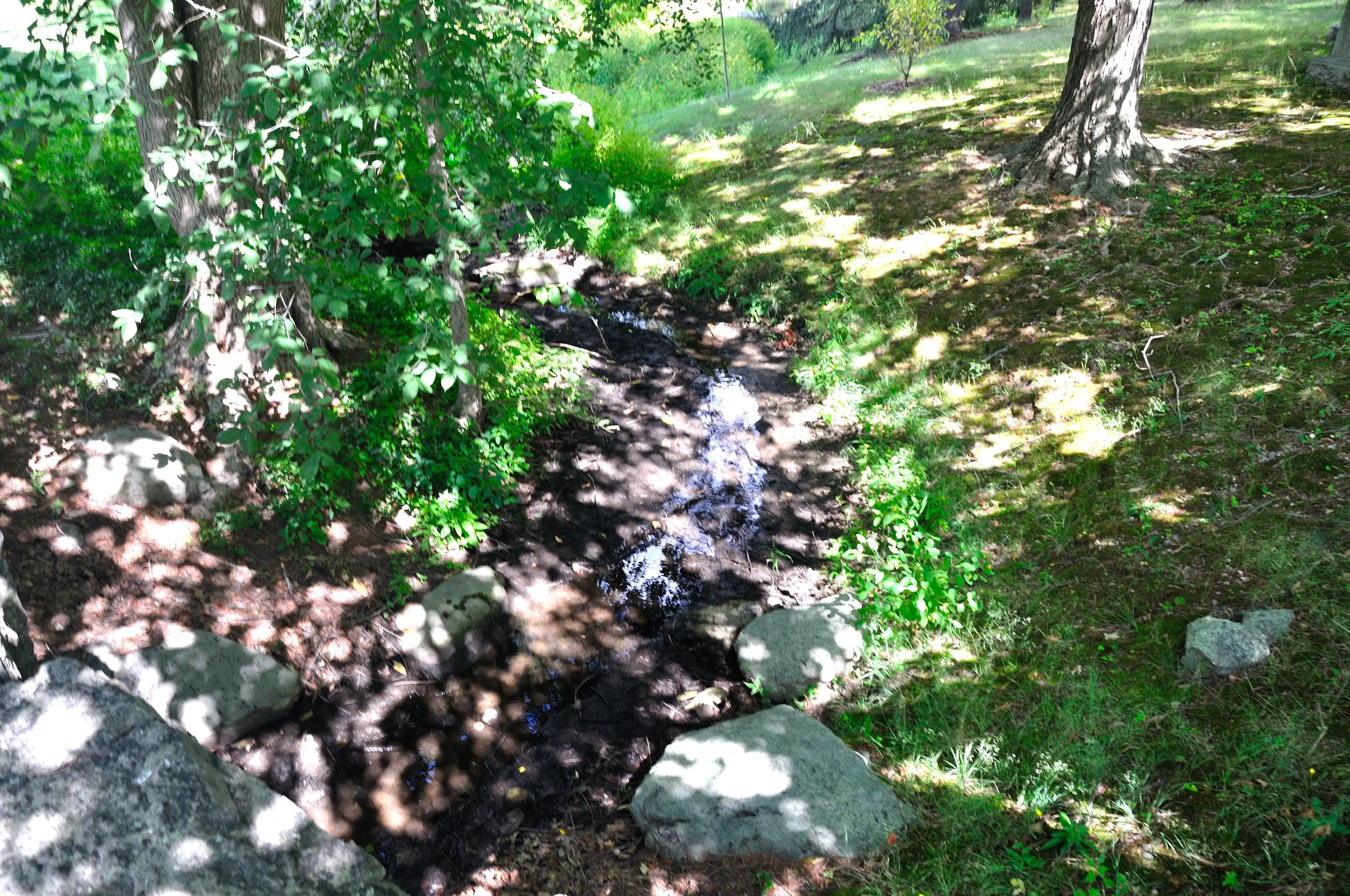
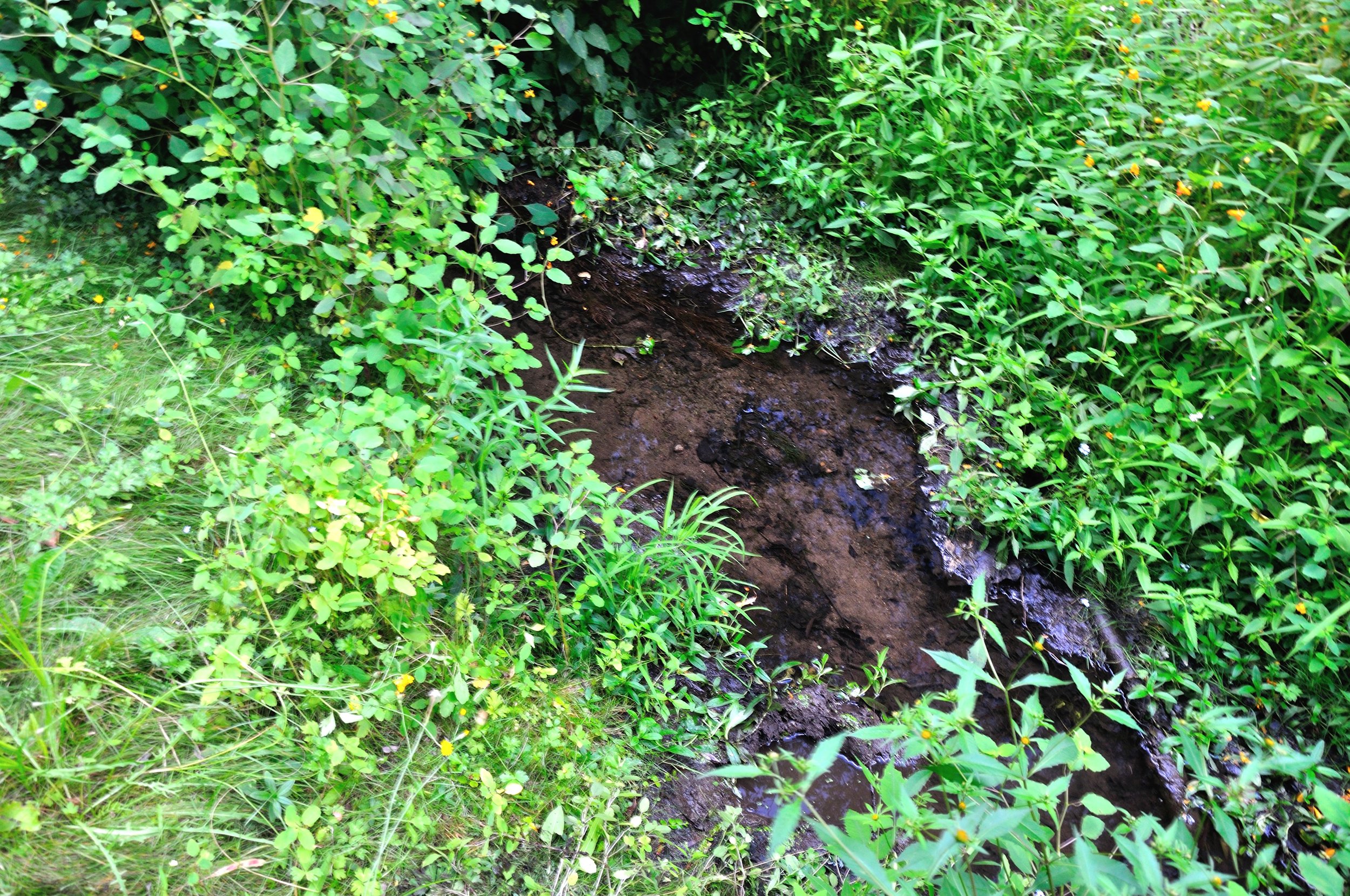
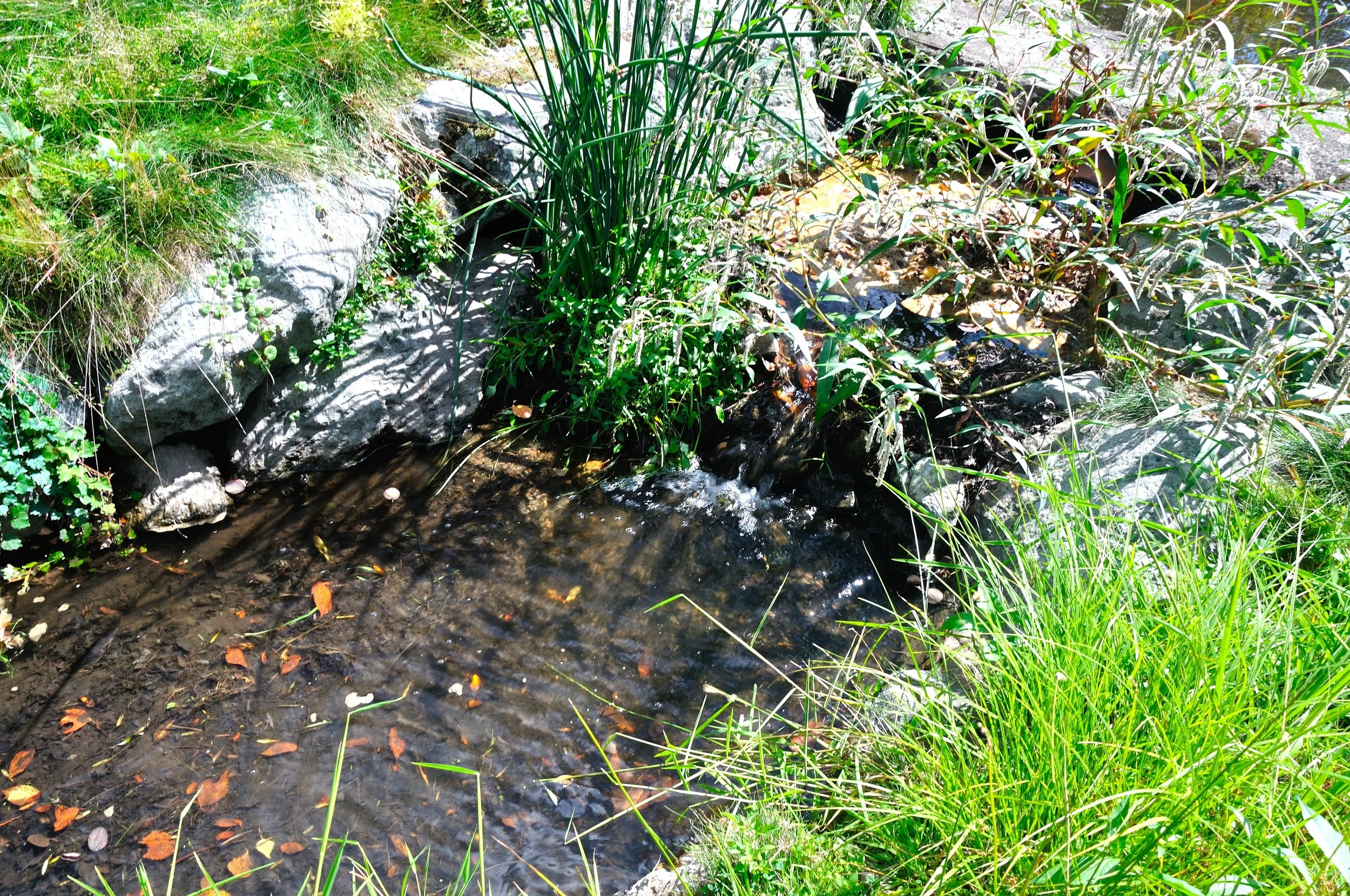
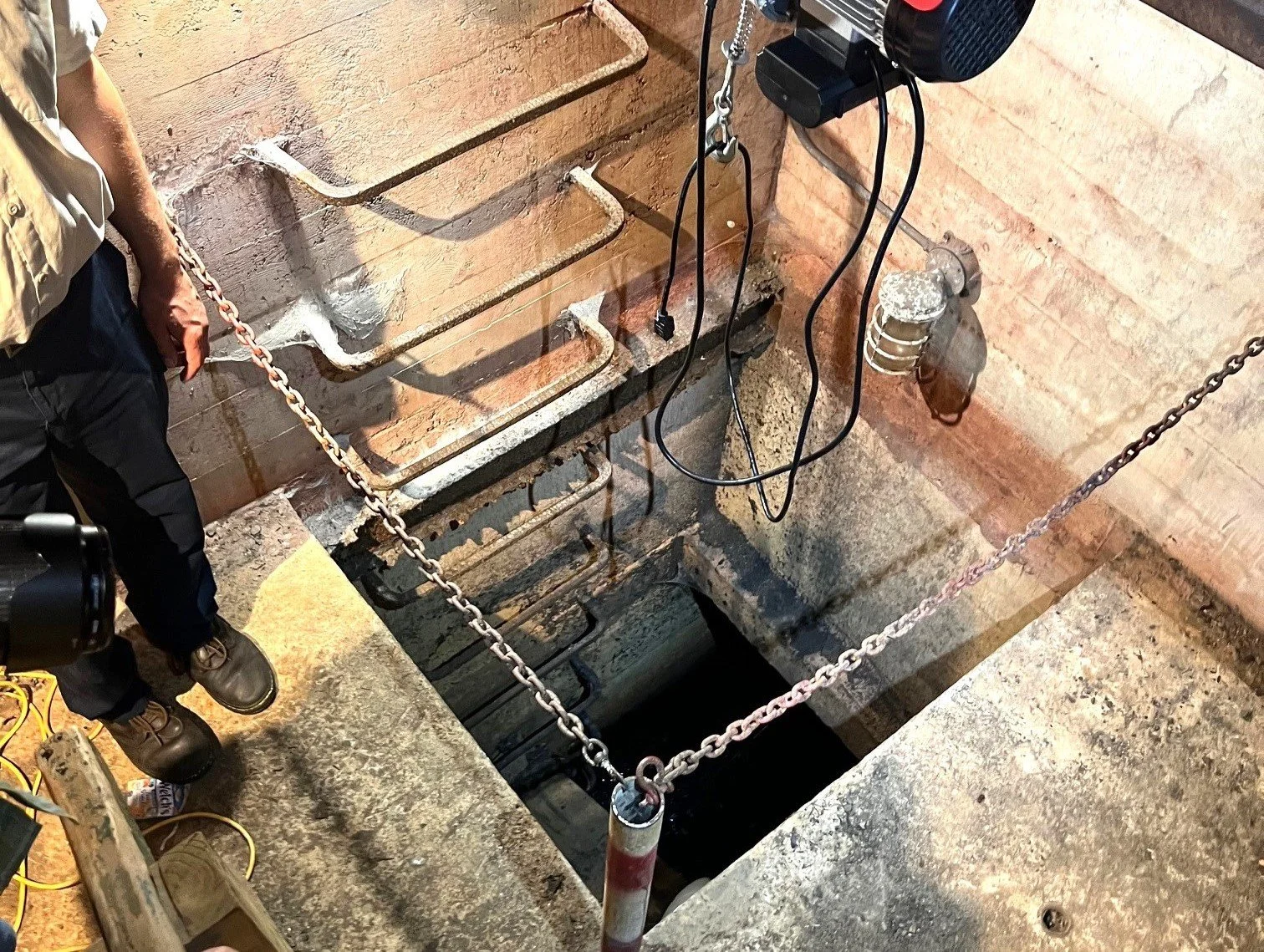
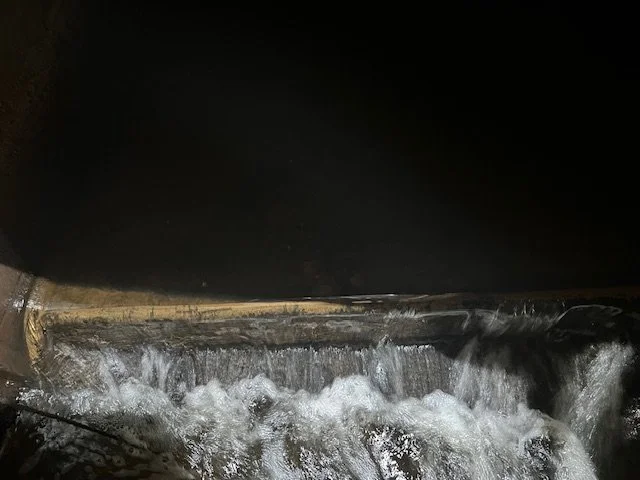
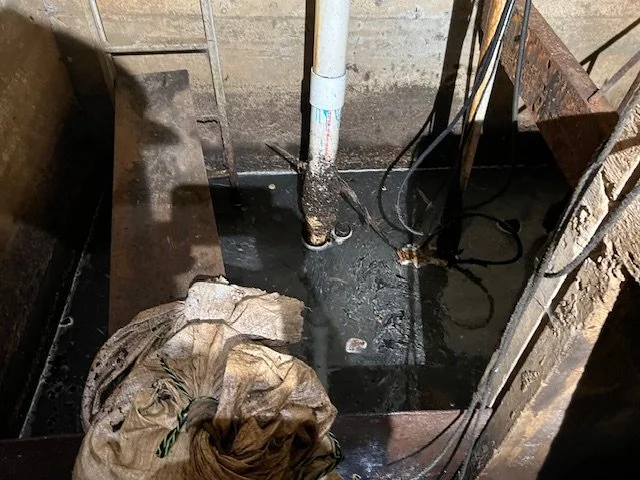
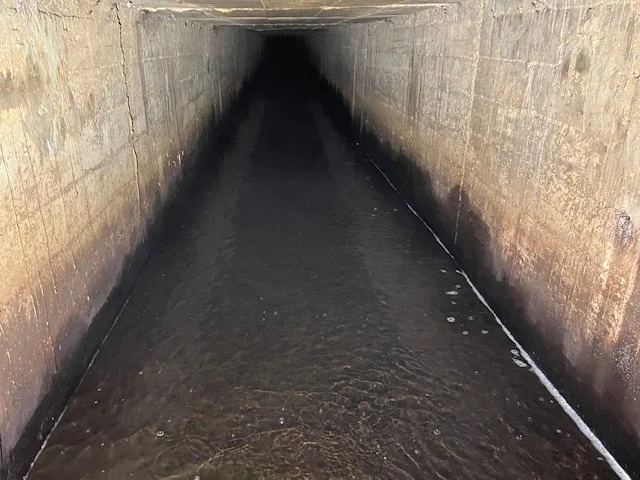
Cold Spring Brook enters the cemetery property underground at a pump house on its western boundary. It surfaces roughly 400 feet to the east at the upstream most of 4 manmade ponds. This pond is connected to the next downstream pond via an approximately 750 foot above ground, or “daylighted,” section of stream. This is by far the longest section of above ground stream on the cemetery property.
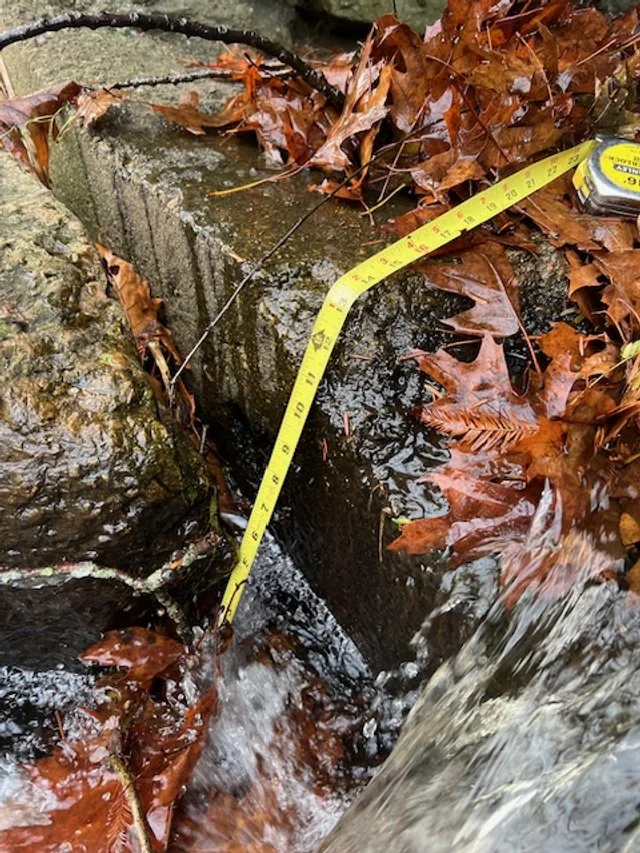
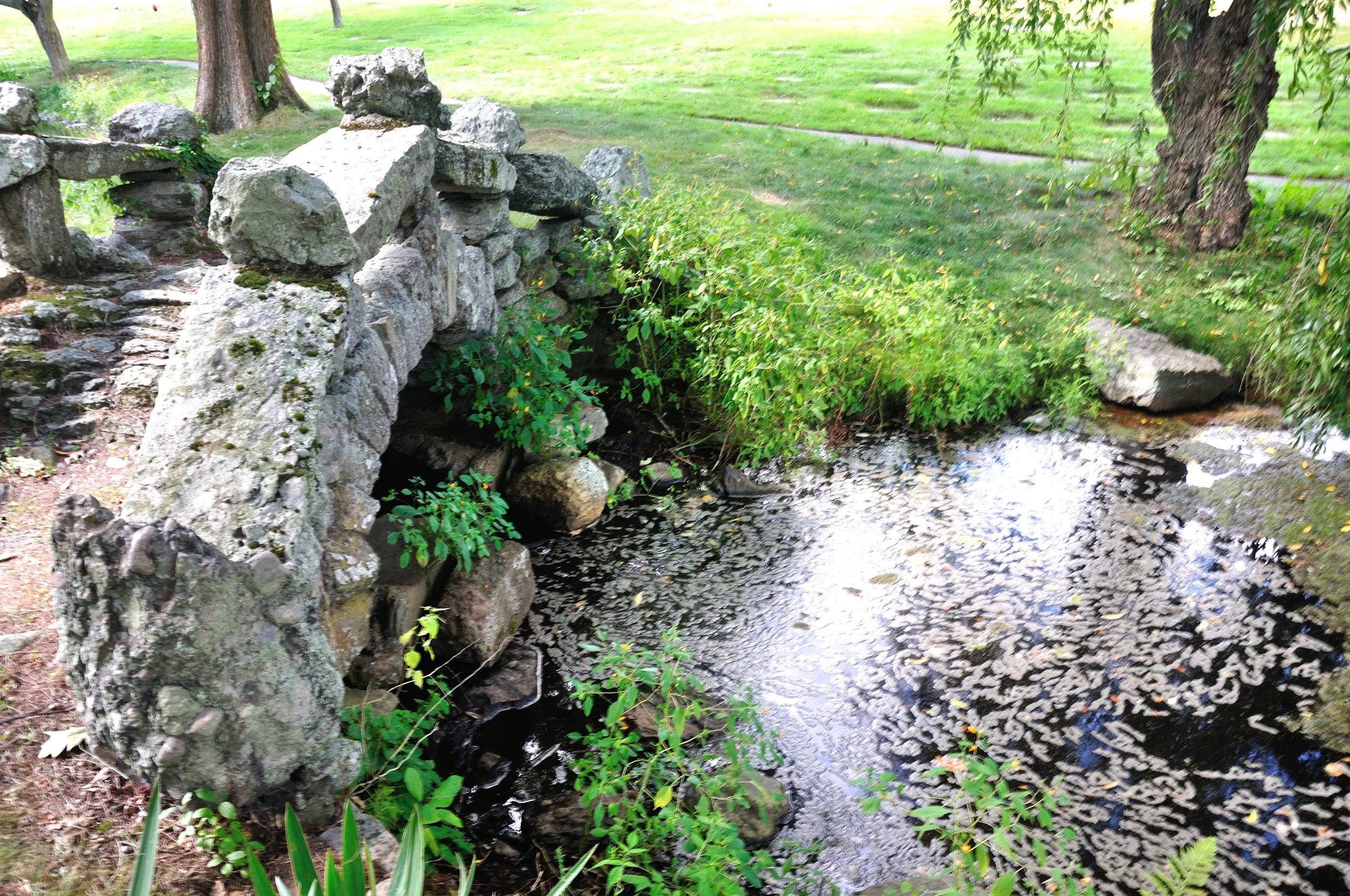
The second pond is connected to the next downstream pond via a small, perched drop of 8-12-inches under a footbridge. The lower pond is connected to the most downstream pond via approximately 300 feet of buried stream that appears to be diverted from the mainstem. The lowest pond outlets above ground for roughly 90 feet before going underground and leaving the property.
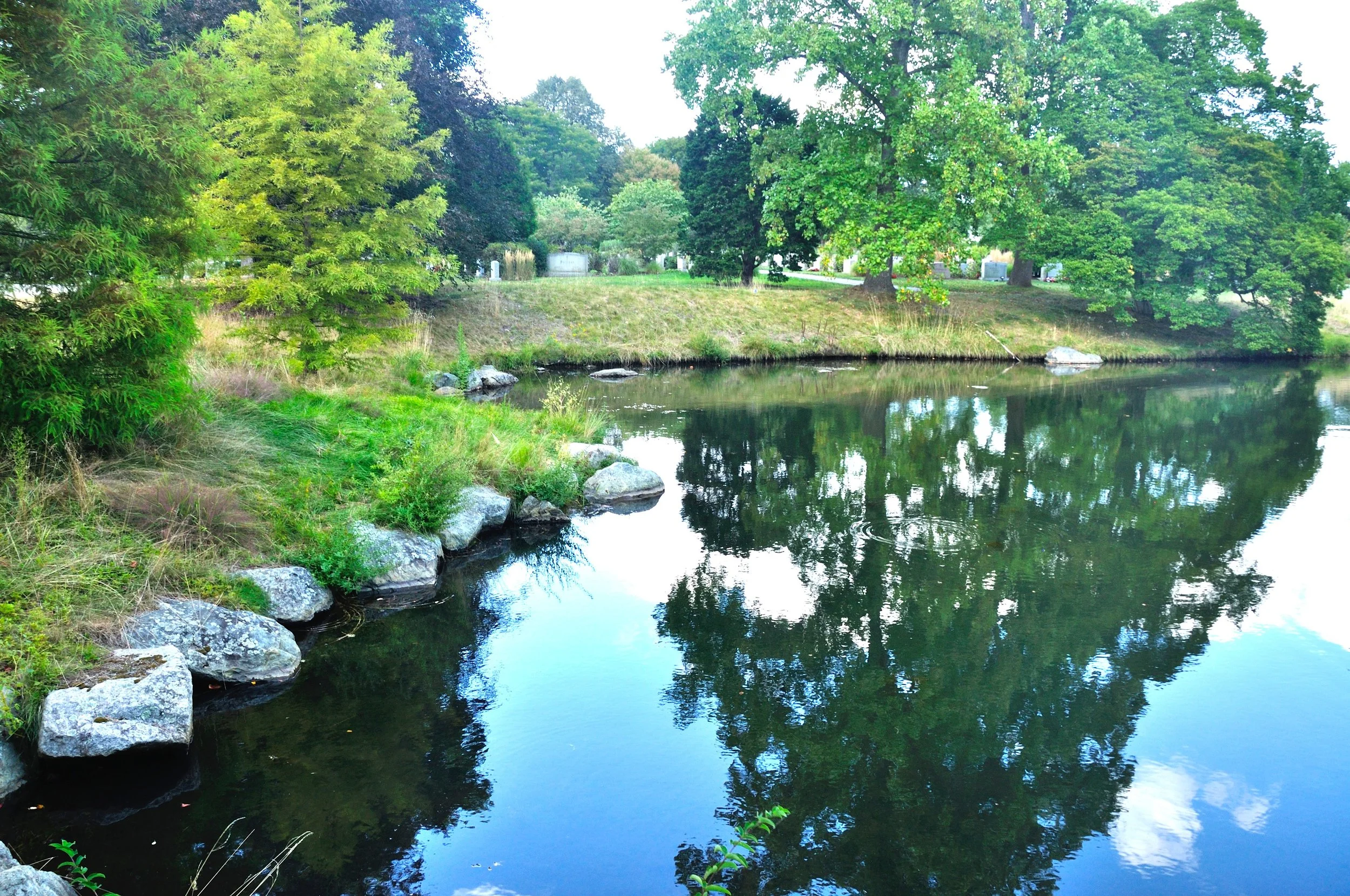
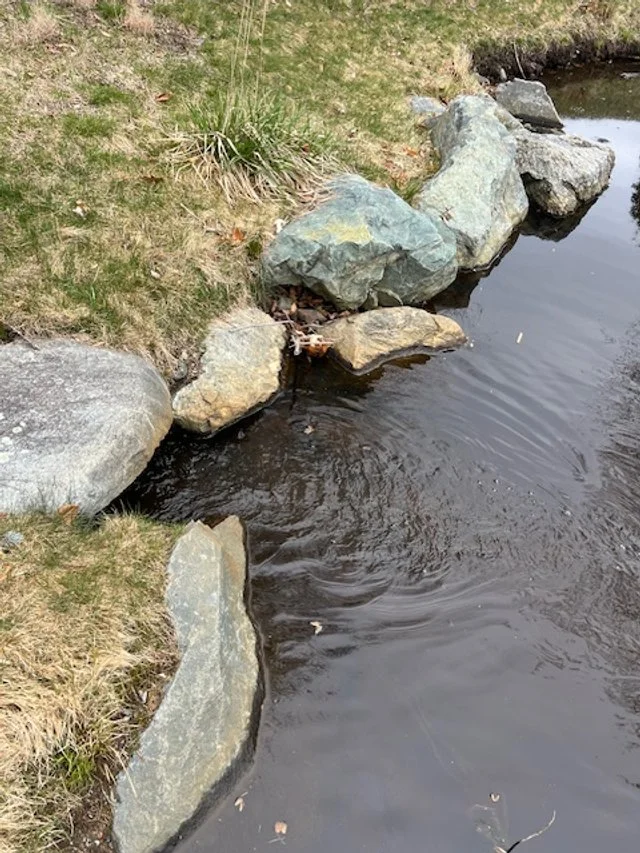
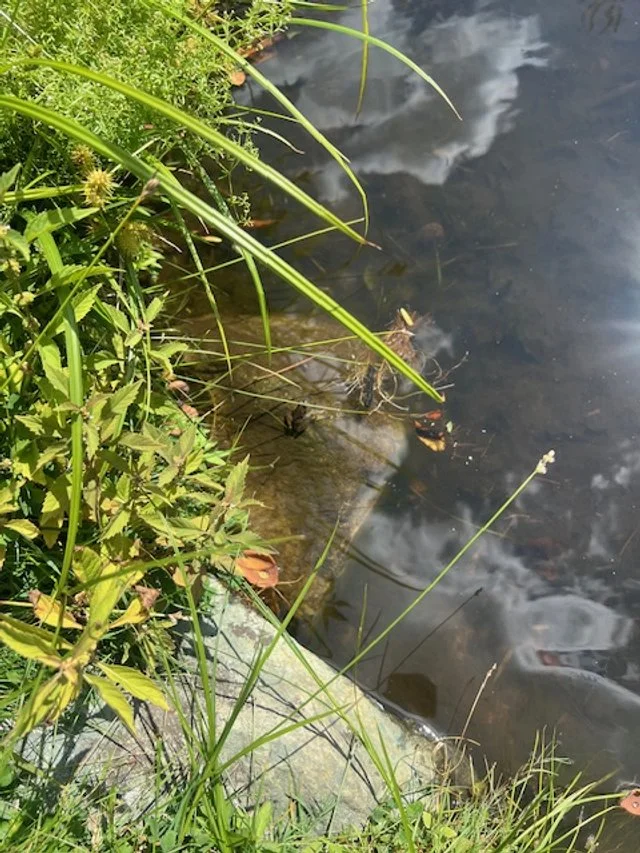
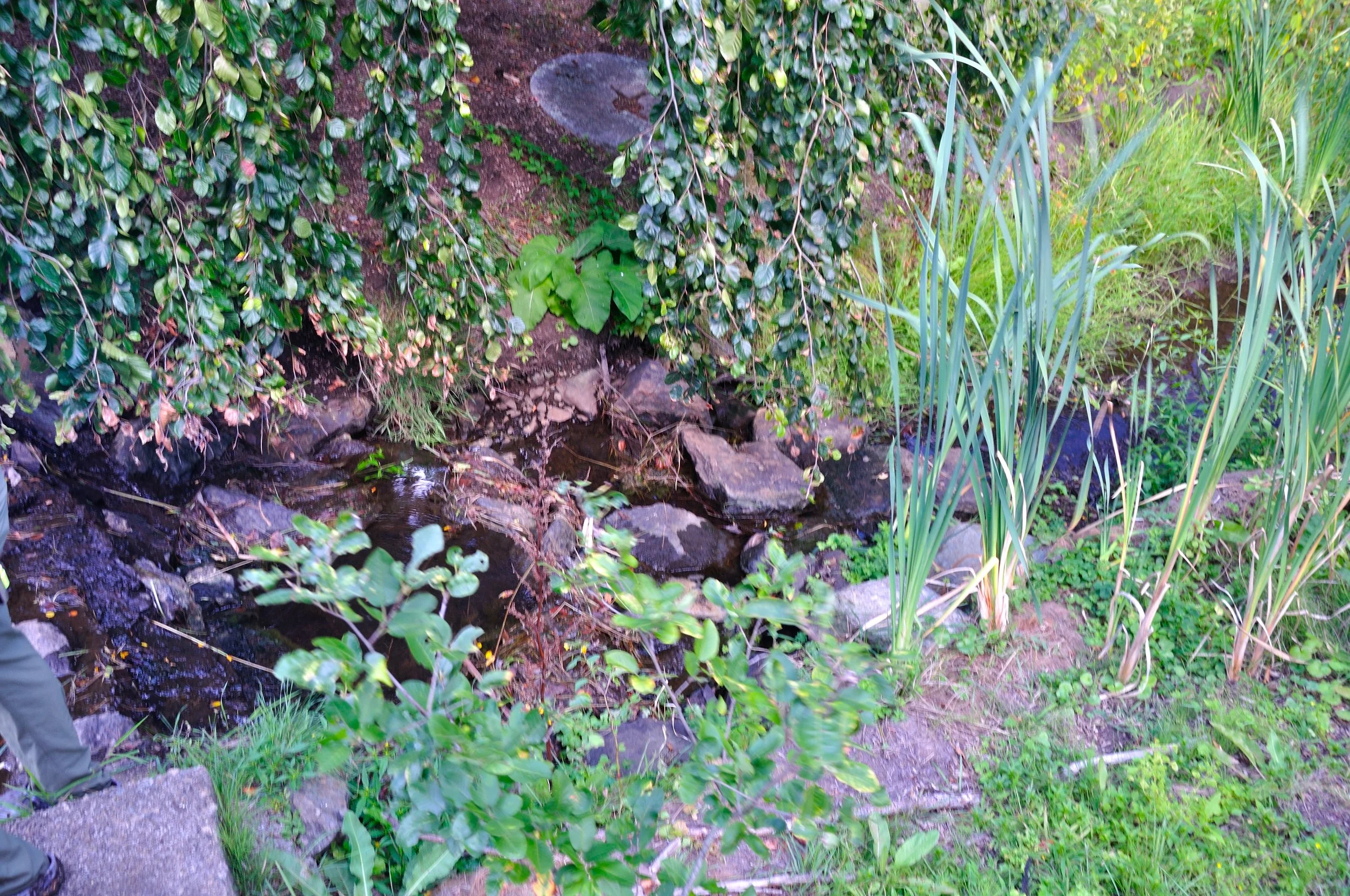
The first place Cold Spring Brook daylights within the cemetery property (lower lefthand corner)…
Land and water stewardship within the cemetery is commendable, especially when you consider what the property is used for and how long ago it was created. There are aerators in one pond, and all ponds have a no-mow border to aid in run-off filtration. Natural stream flows are supplemented during low water periods with water from a small reservoir fed by an artesian well.
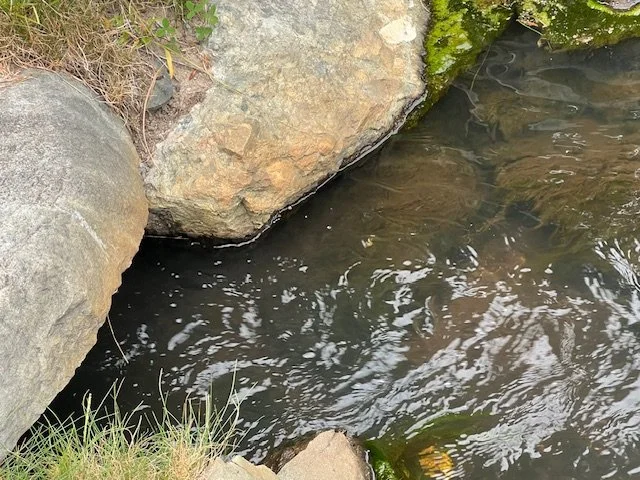
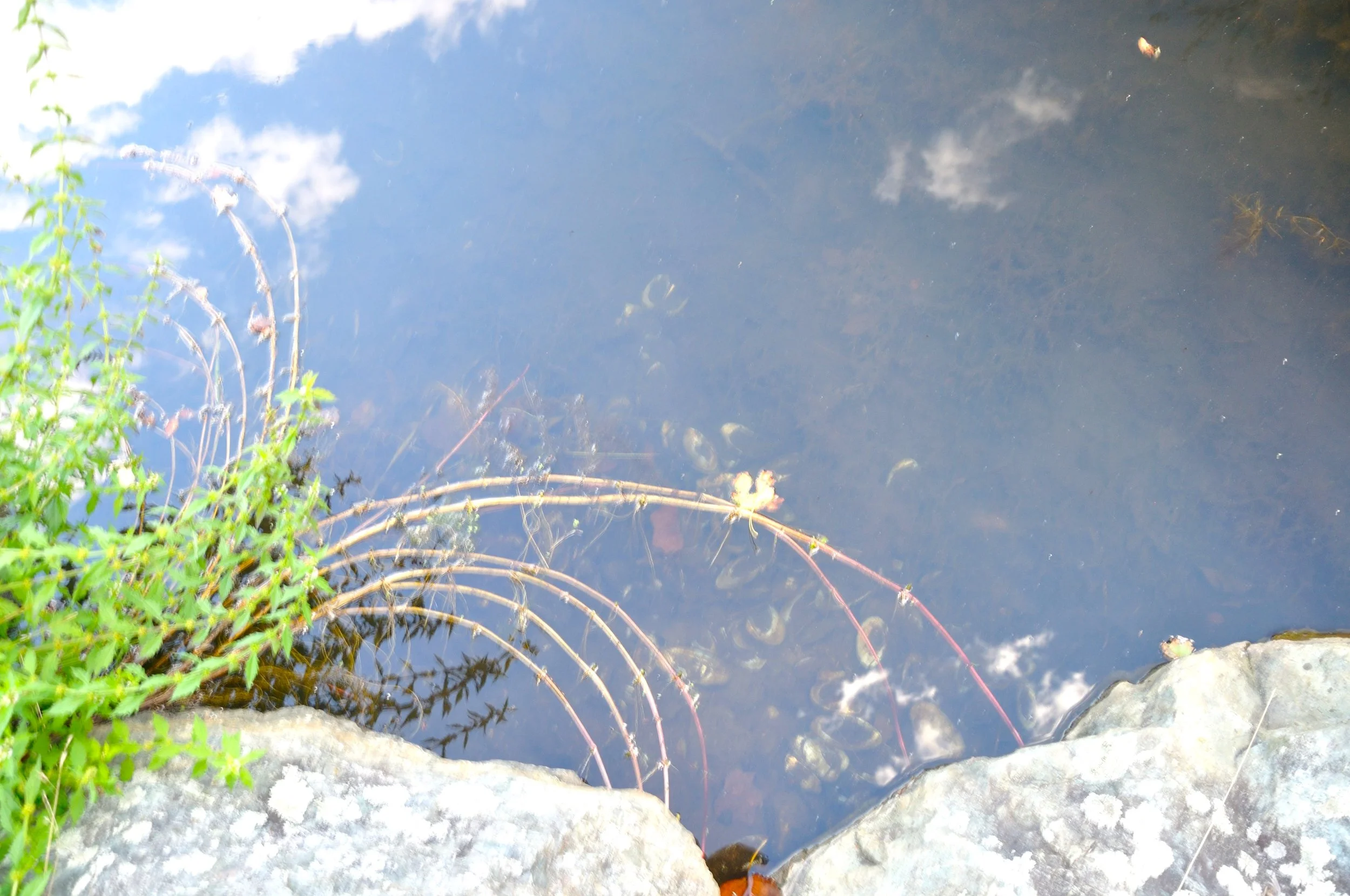
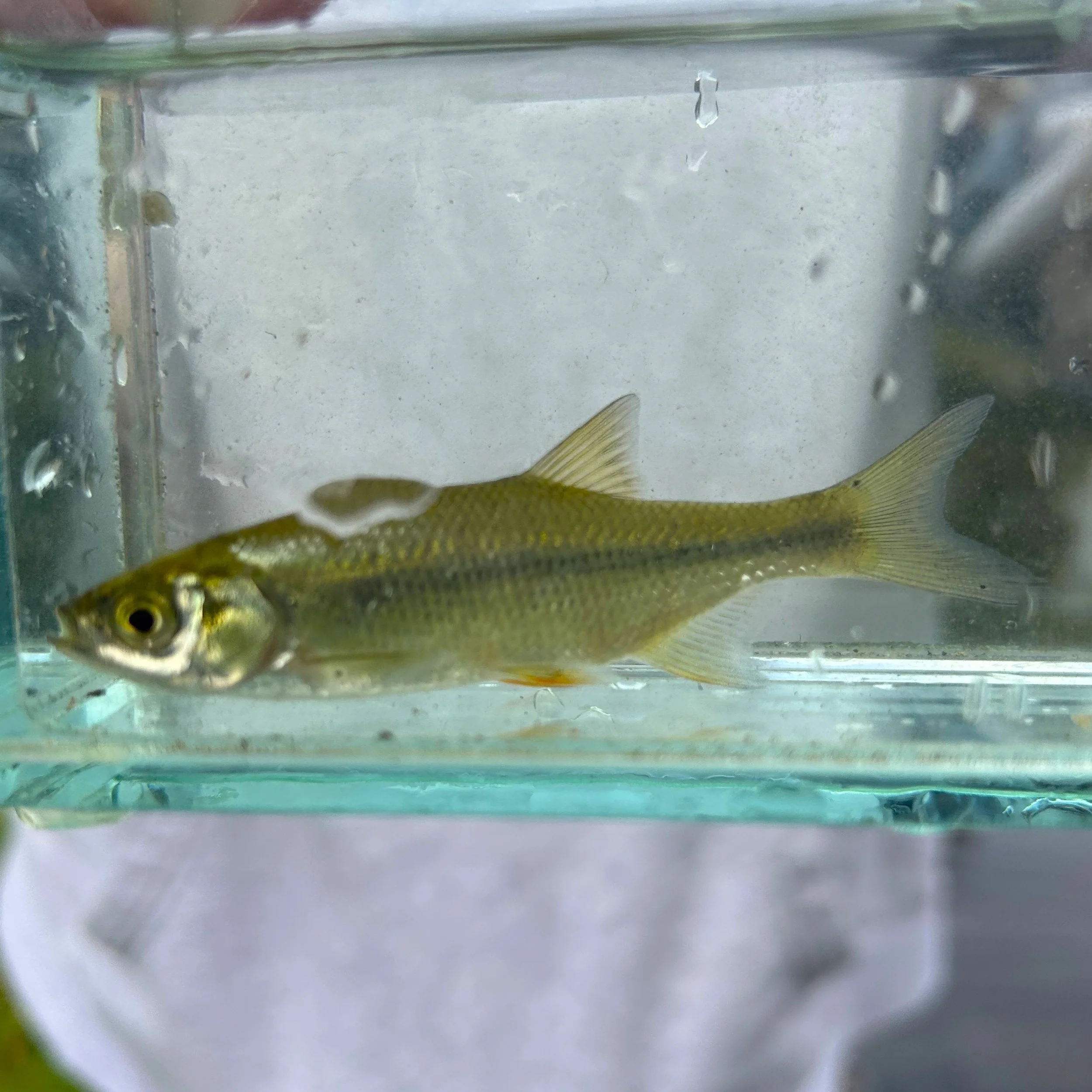
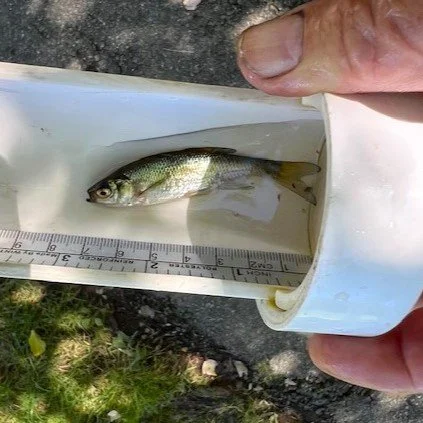
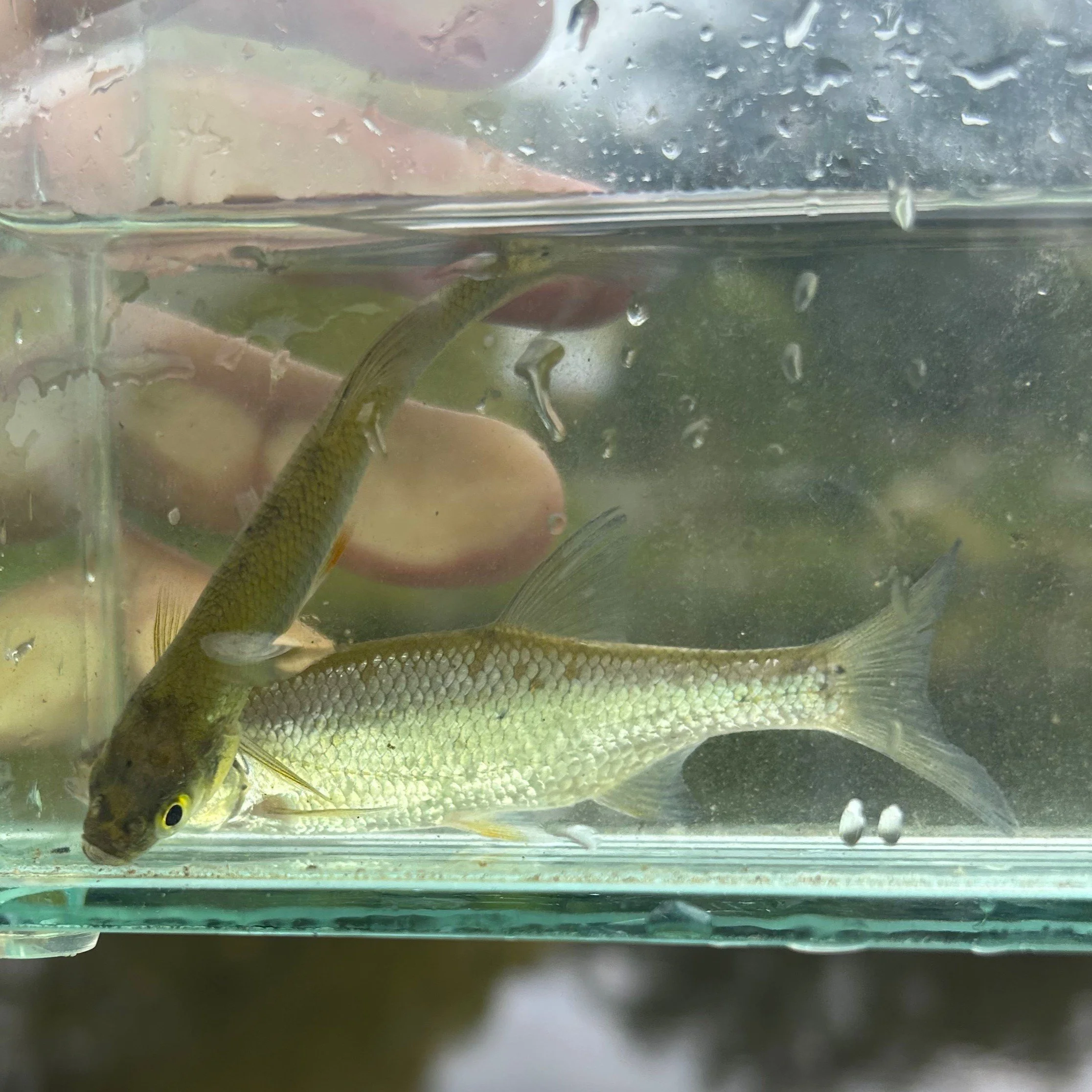
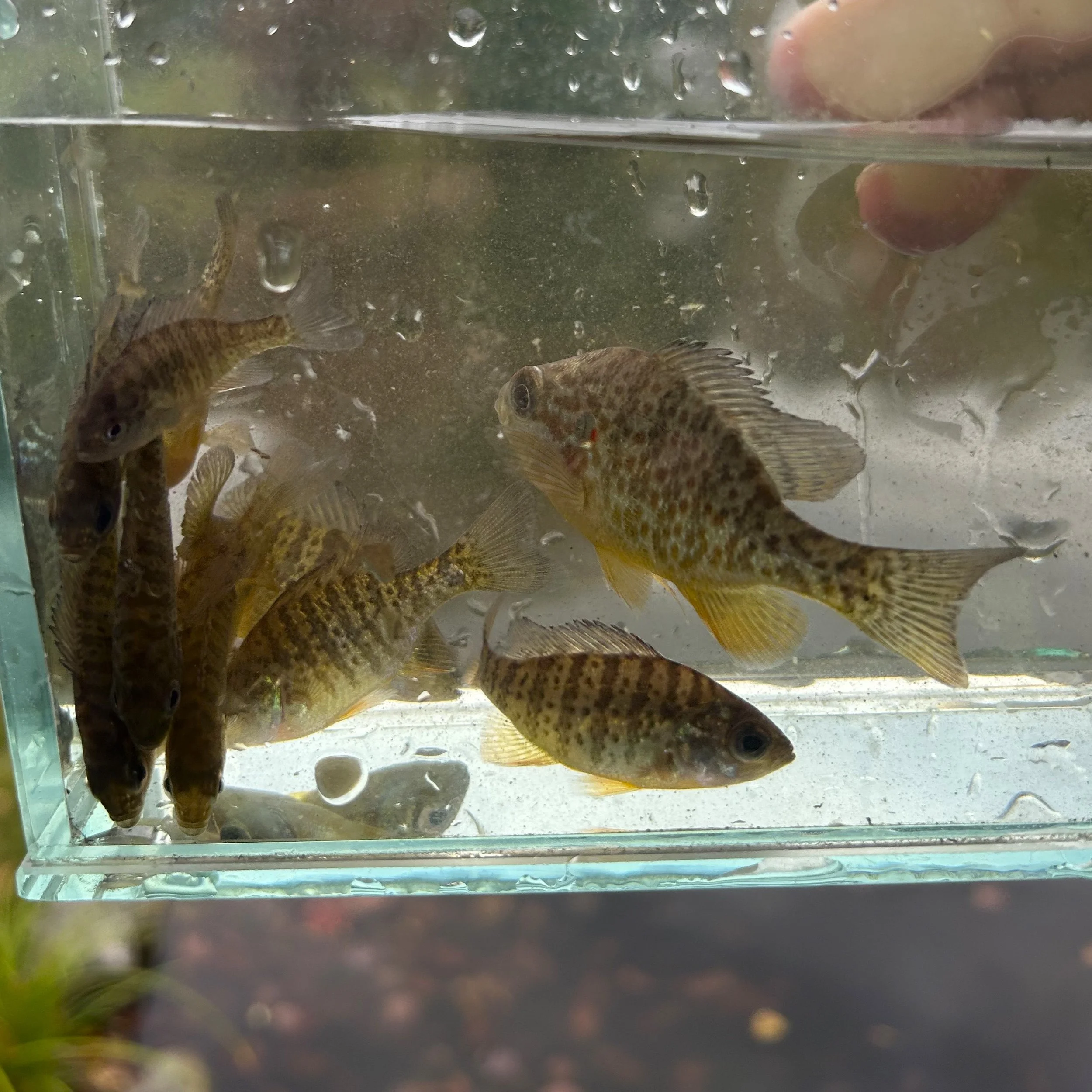
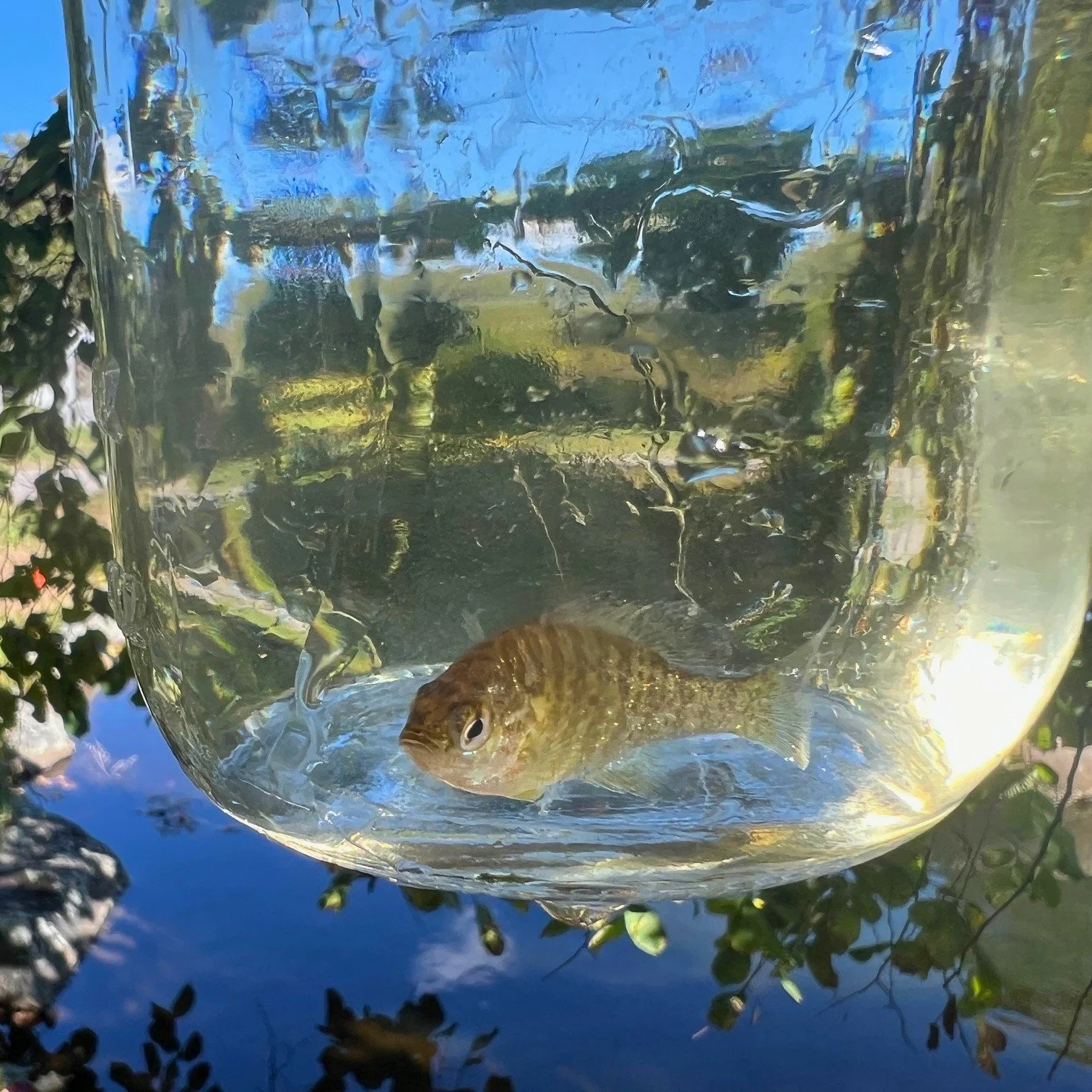
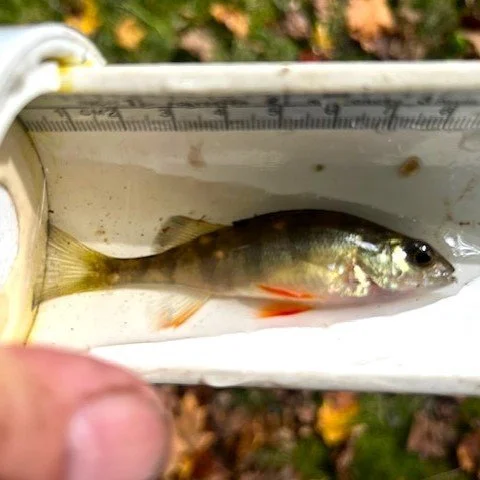
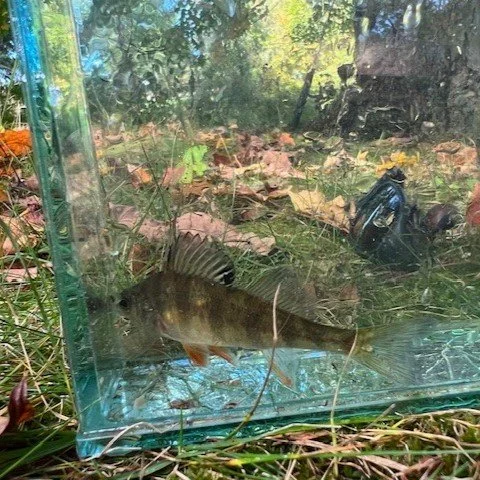
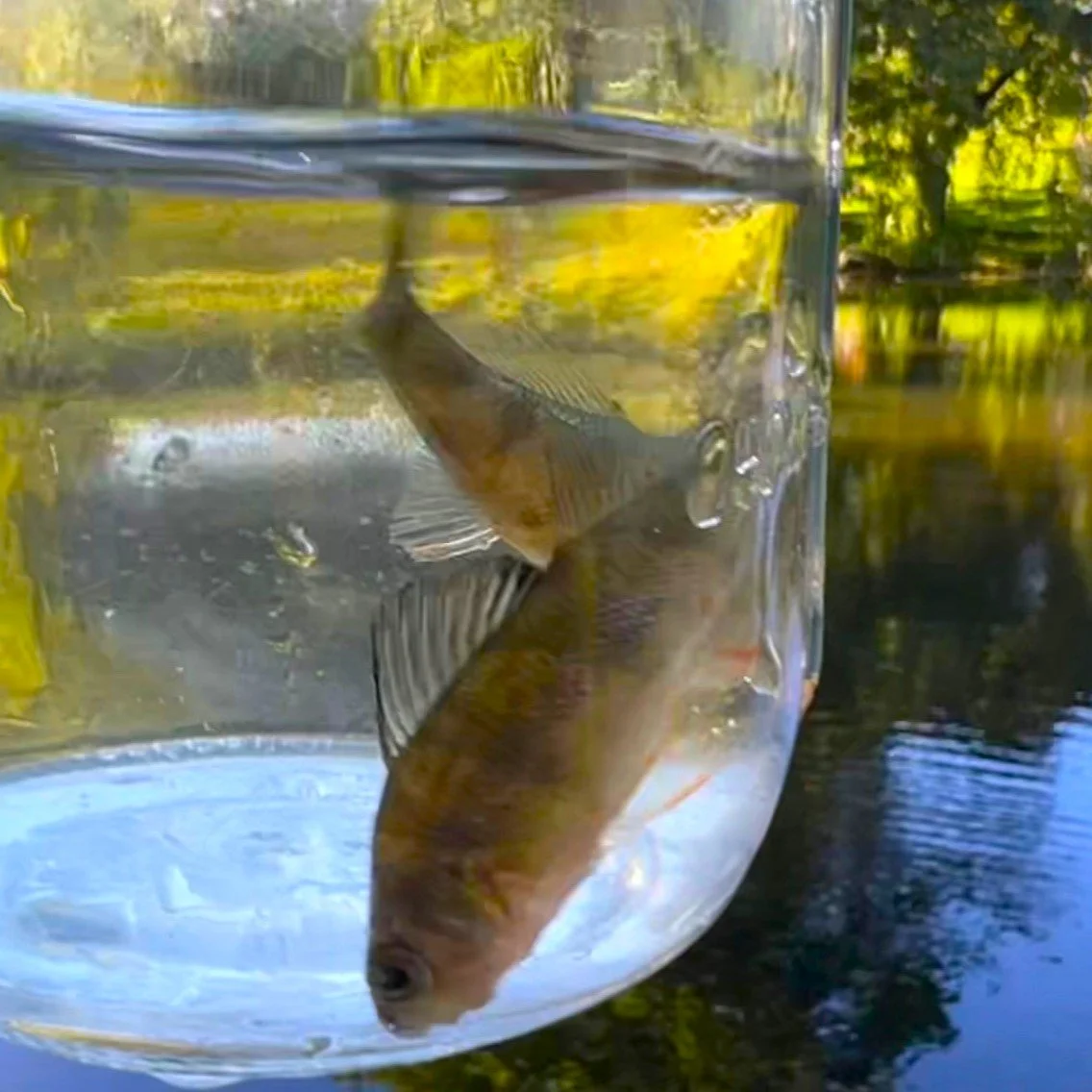
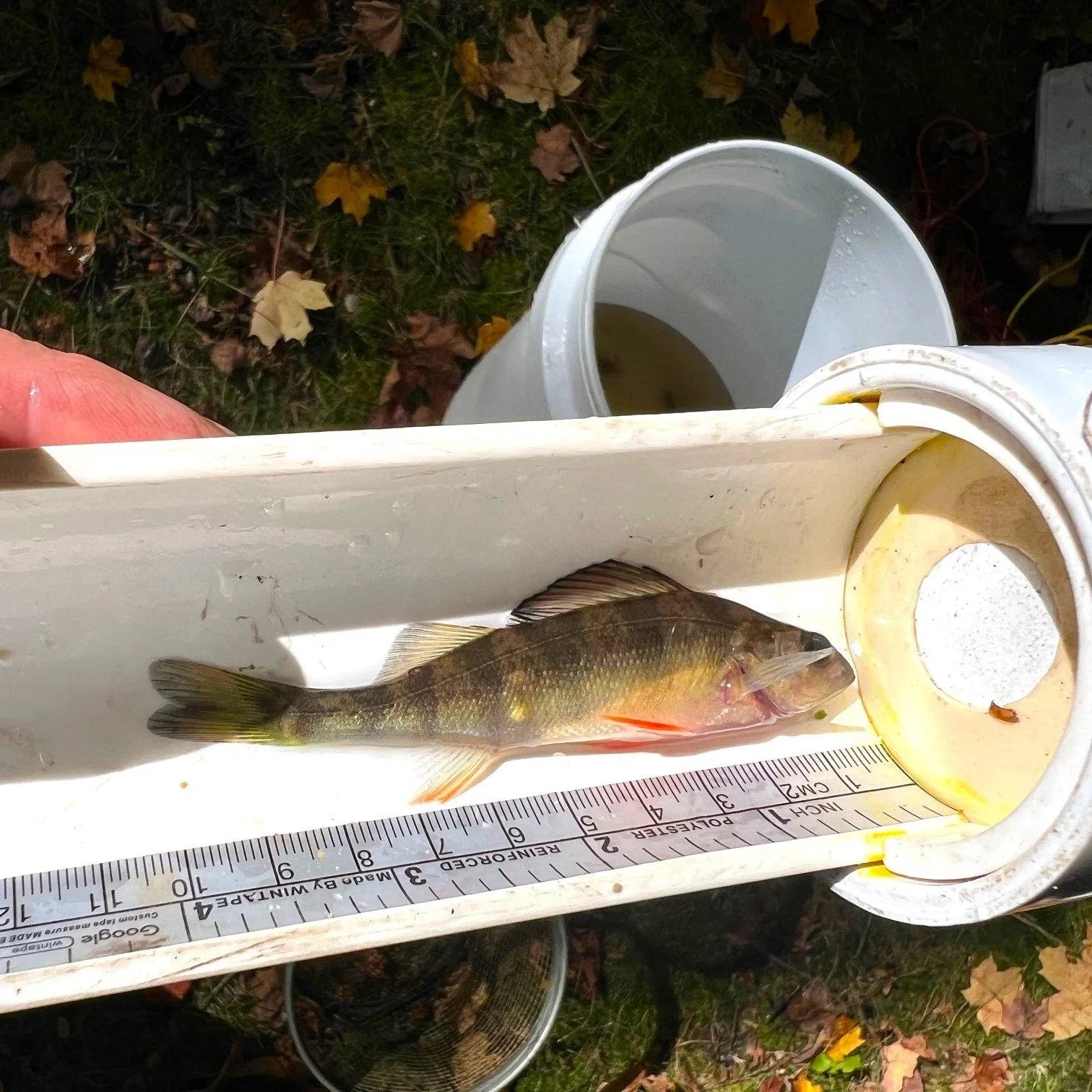
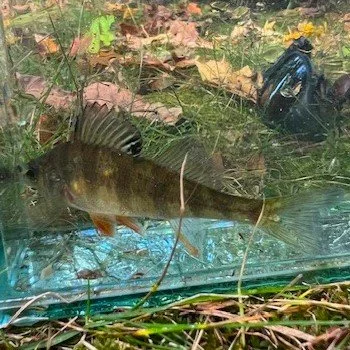
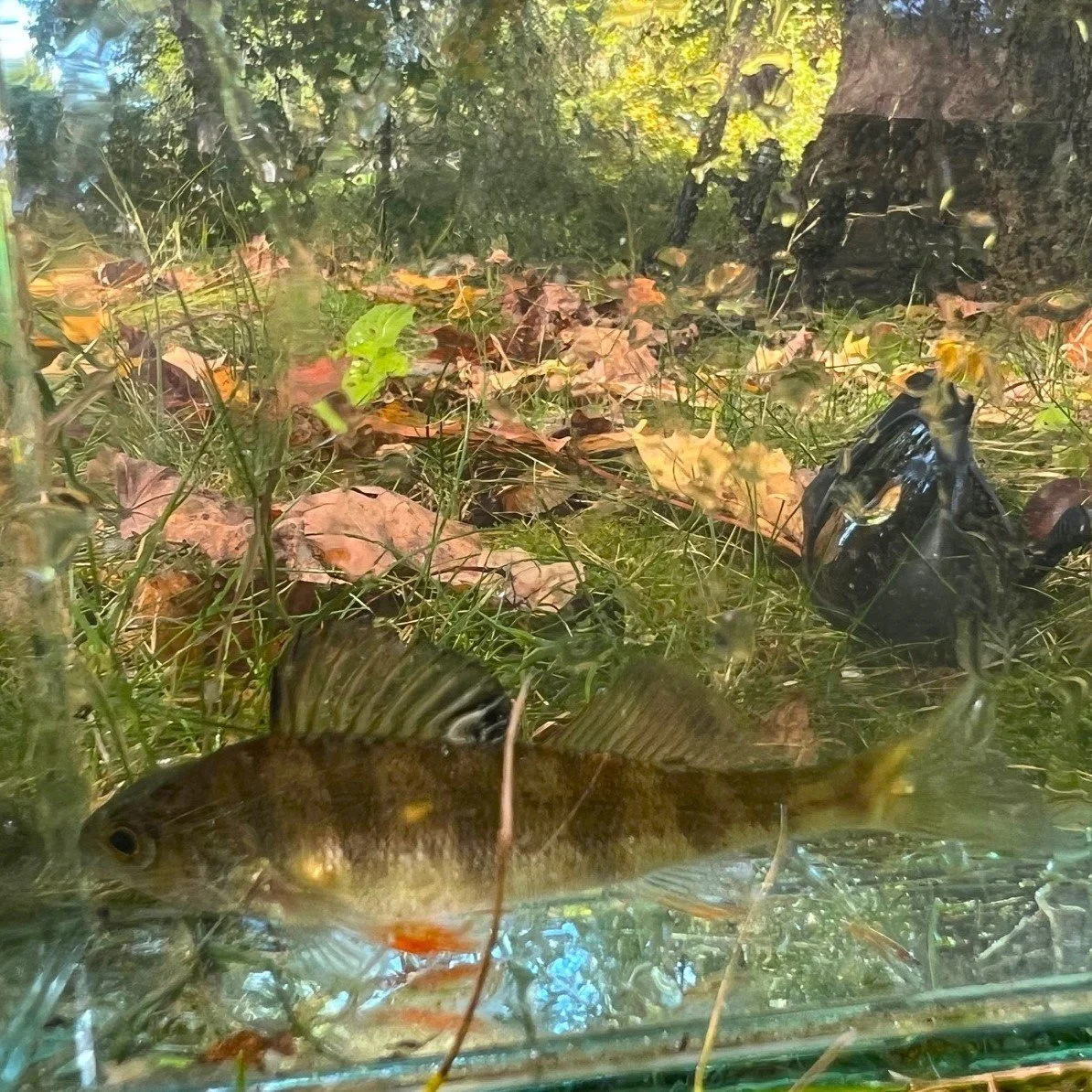
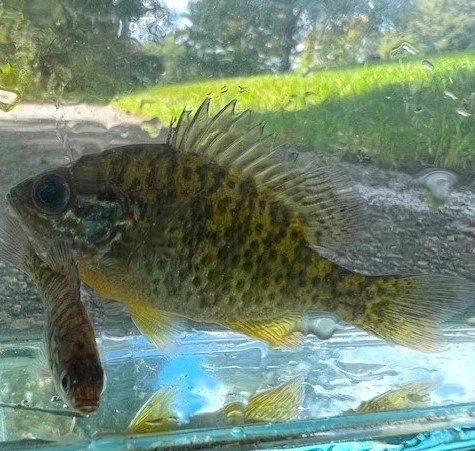
The amphibian biomass in Newton Cemetery and Arboretum is notable with a high abundance of all stages of frog life. There are also freshwater mussels present. Most importantly, while we were not able to identify what species they were, there were numerous schools of small fish in varying sizes and shapes in each of the four ponds, as well as some level of fish in the daylighted sections of stream.
Next Steps:
NFC is working with the Newton Cemetery and Arboretum to do some non-lethal trapping and netting in the ponds to determine what species of fish are present. The resulting species list will be mapped to that associated with Cold Spring Brook in Cold Spring Park to ascertain the variances. In doing so, while not absolute, it will give us a pretty good idea as to whether fish are able to move between the two stream segments.
This would be done using several small non-lethal minnow traps set in each pond for 24 hour durations. Two traps would be baited with dog kibble to attract minnow and juvenile fish. Another would be baited with dead fish purchased from a grocery store. The traps would be set away from the road and foot traffic and secured to the shore using dull colored rope for easy location and retrieval.
NFC would also like to employ what is called a “cast net” to try to capture fish that are too small to be trapped. Cast nets, also non-lethal, are thrown from shore and pulled in.
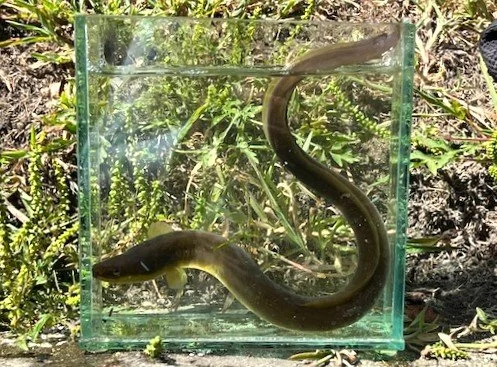
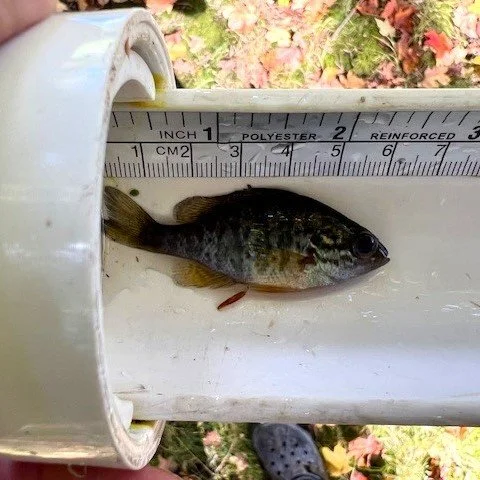
An American eel captured from nearby Cheesecake Brook…
We are especially interested in American eel as they are a native catadromous species that breeds in the Atlantic Ocean in an area called the Sargasso Sea. The presence of eels has been confirmed within Newton Cemetery and Arboretum. Interestingly, they were observed in the reservoir which while not part of the stream is connected to the spring by an underground pipe.
Identifying where fish passage blockage may occur would be very difficult due to the generations old flow diversions and buried sections of stream. The best we can hope for is to narrow it down to the section between the furthest upstream pond in the cemetery and where the stream in Cold Spring Park goes underground at Zervas school.
conclusion:
Based on what we saw, whatever species of fish are in Newton Cemetery and Arboretum appear to be doing quite well. We saw no signs of stress, disease, or dead fish. The stream within the cemetery property is likely, but not definitively, a closed system with regard to upstream fish passage from the downstream sections of stream. The one exception would be American eel which can navigate wet grass to get where they want to go.
While not our focus, NFC will look for opportunities to improve the habitat within Newton Cemetery and Arboretum for fish. This information will be passed on to cemetery staff for review and consideration.
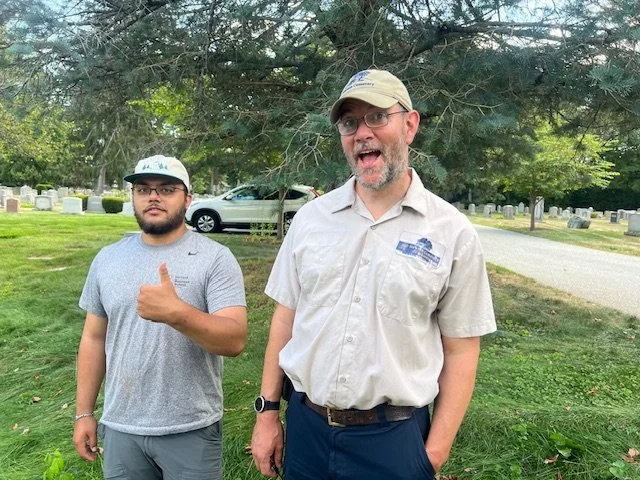
nfc would like to thank Mary Ann Buras, Stephen Dean, and Christine Rohrer of newton cemetery and arboretum for their support and for taking time out of their busy schedules to show us around the property.
status updates