American Eel: The Unofficial City Fish of Newton, Massachusetts...
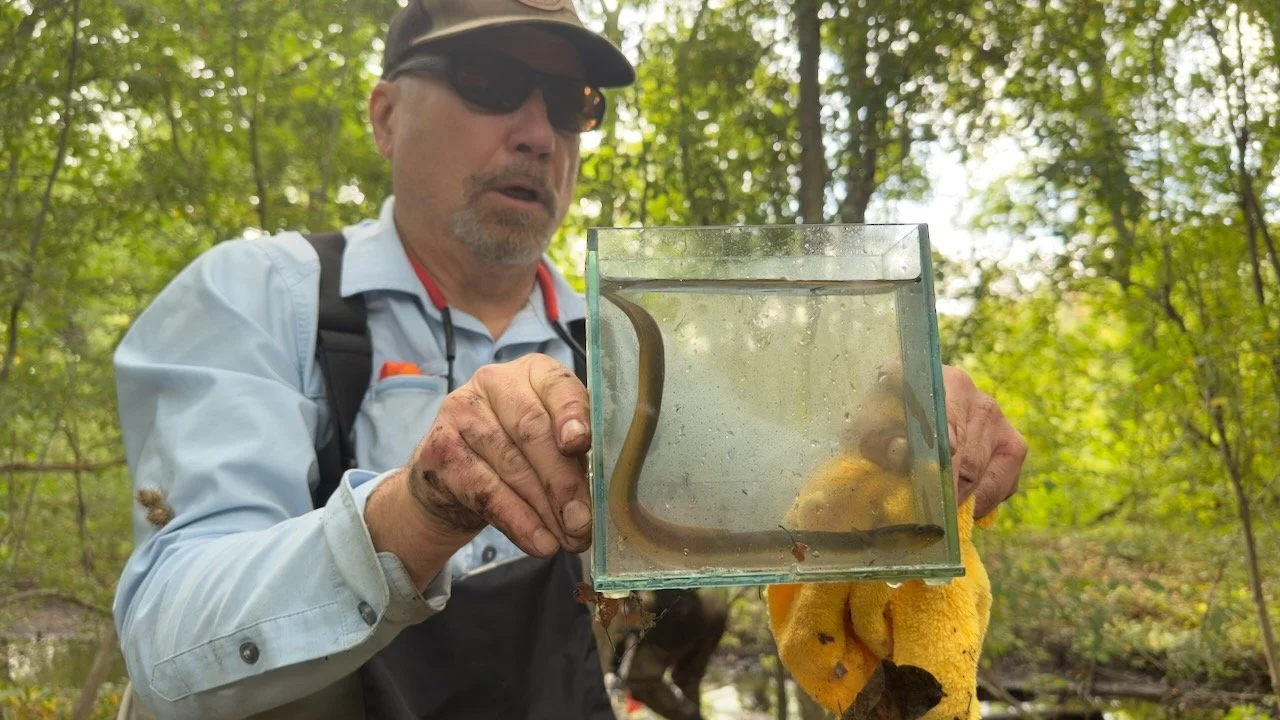
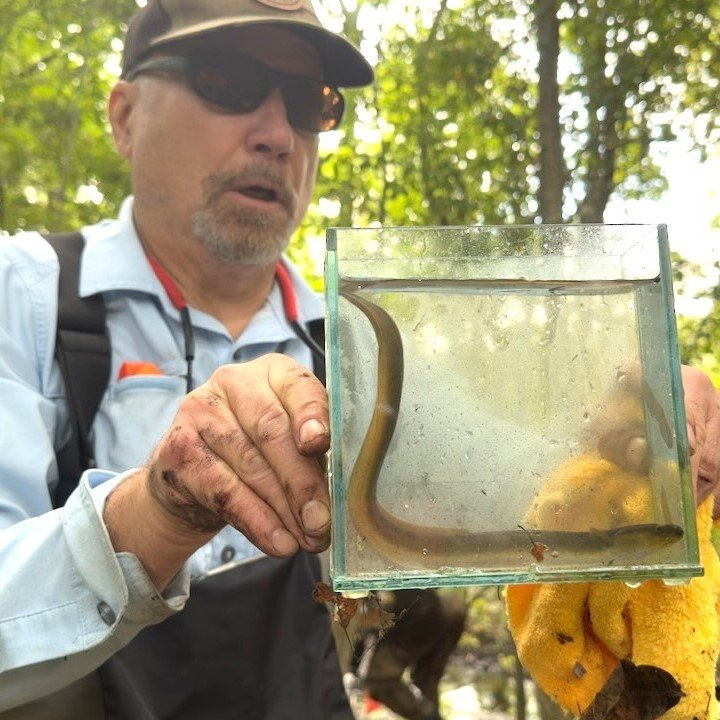
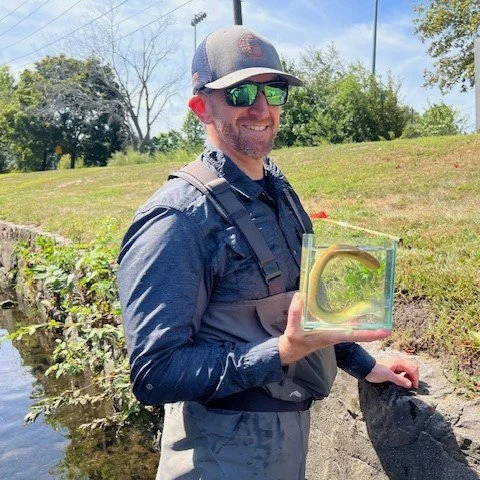
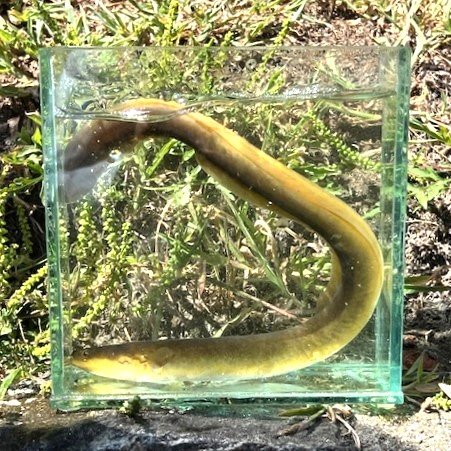
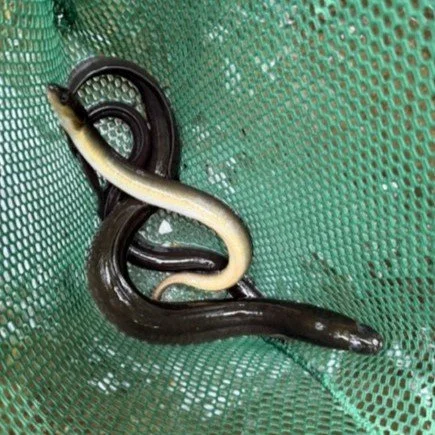
MA NFC board member and former Newton resident Jeff Moore with an American eel from the headwaters of Cold Spring Brook…
The Massachusetts chapter of NFC has undertaken several Holistic Stream Assessment/Restoration and related projects in Newton, Massachusetts: Cold Spring Brook./Cold Spring Park, Cold Spring Brook/Newton Cemetery and Arboretum, Laundry Brook/Newton City Hall, Laundry Brook, Hammond Brook, and Cheesecake Brook.
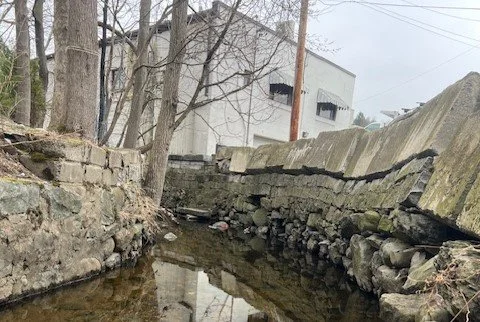
All of our projects in Newton have involved heavily altered and badly degraded suburban and urban streams. They have been moved, straightened, dug down, dredged, dammed, impounded, walled in, and buried. They have also suffered riparian clearing and deforestation. In addition they are subject to untreated stormwater run-off from roads, parking lots, lawns, and fields, and in some cases raw sewage…
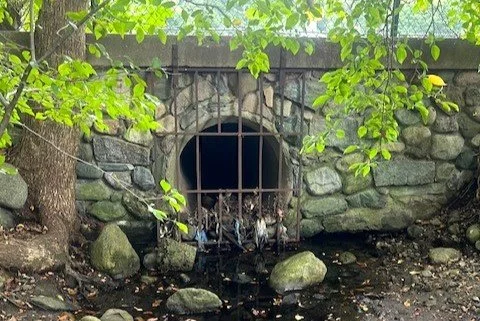
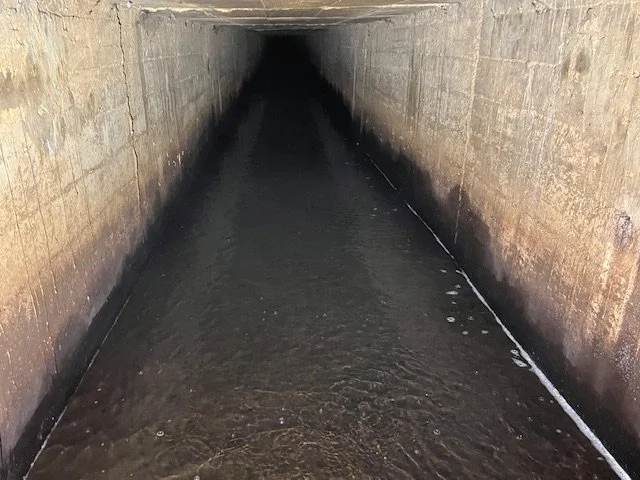
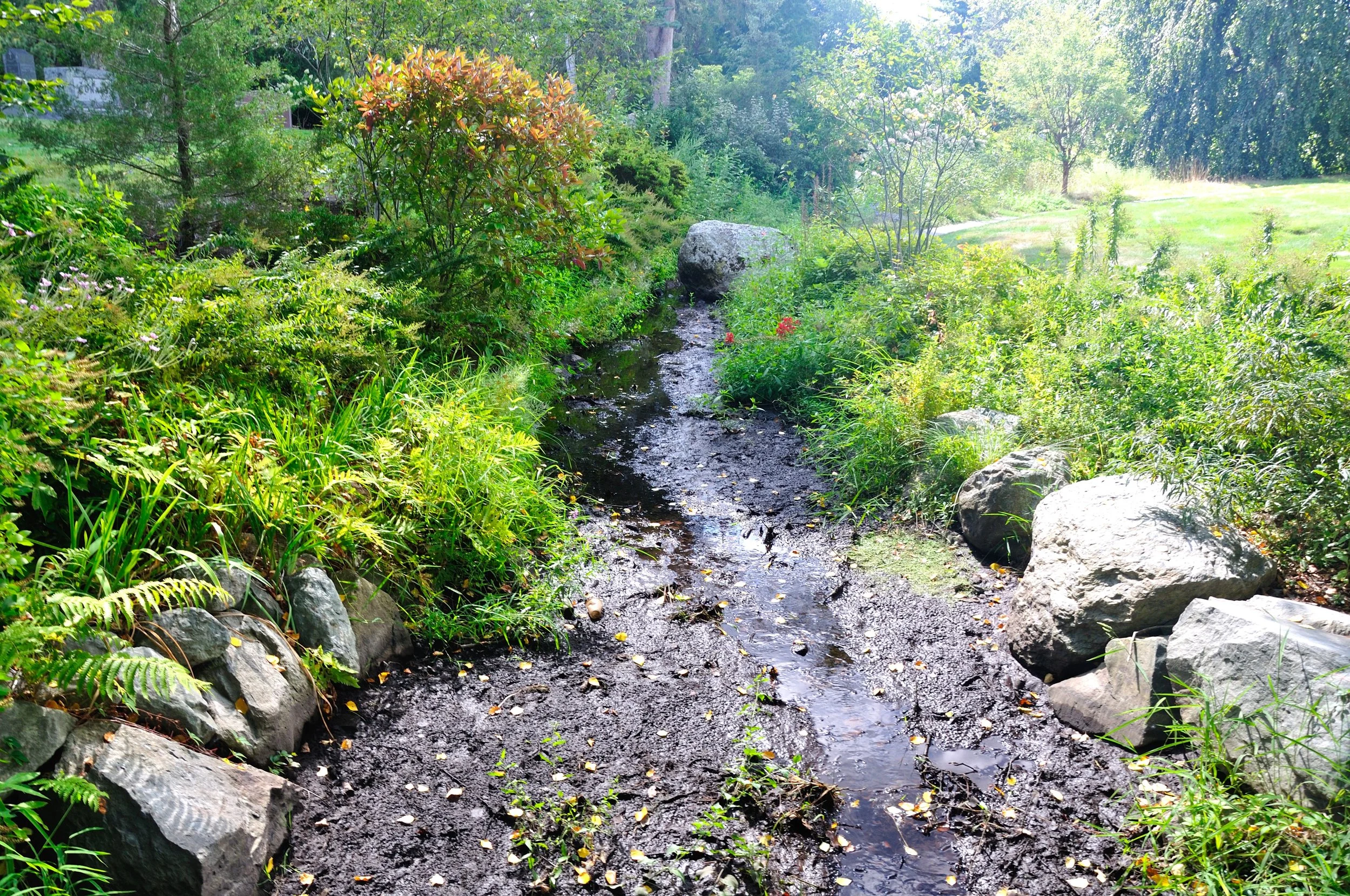
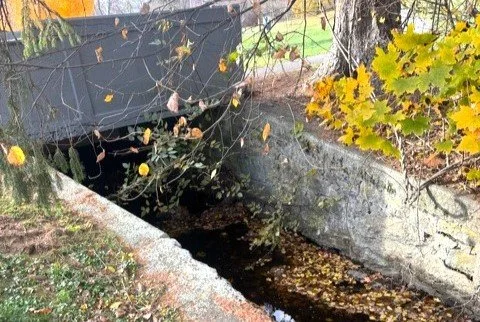
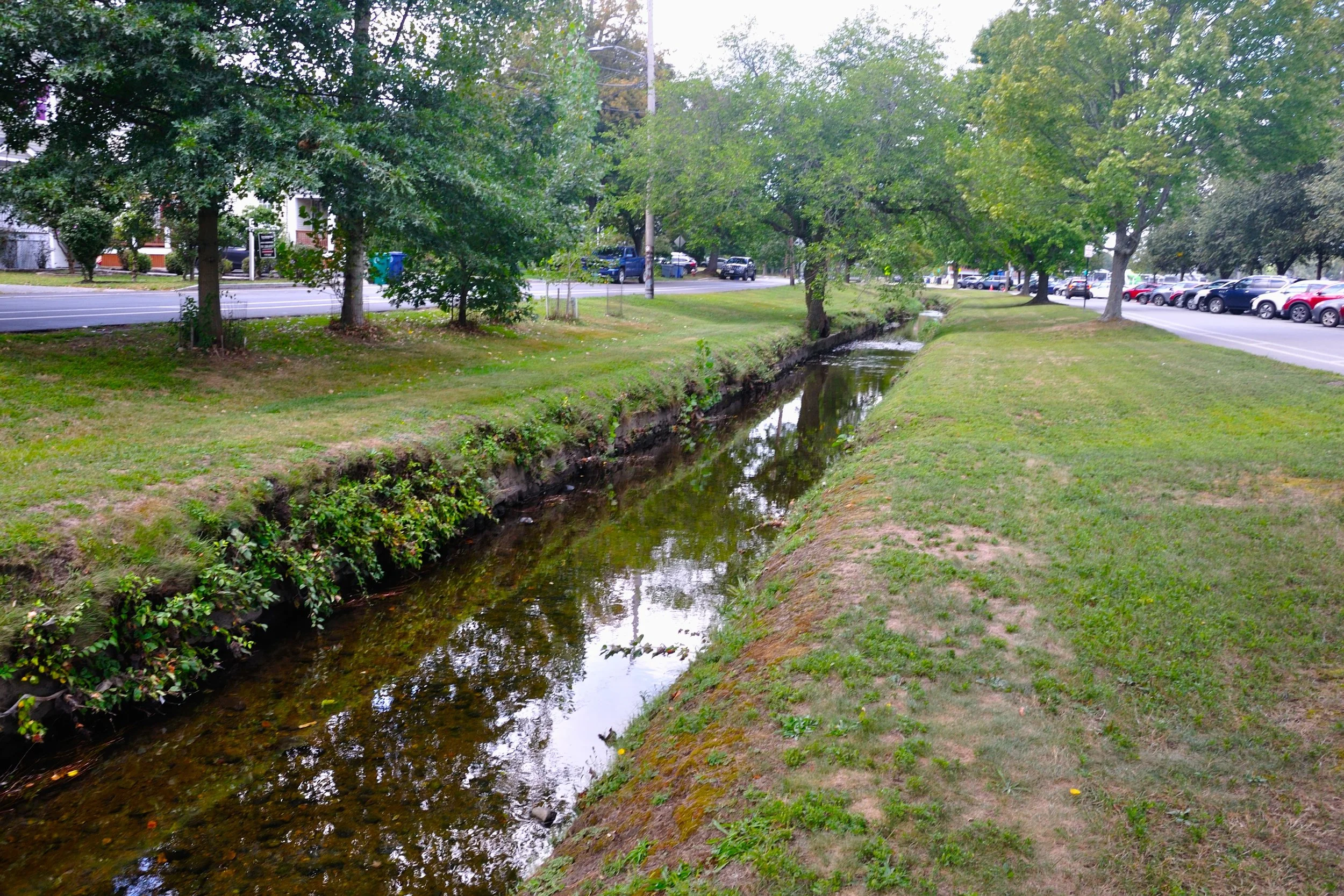
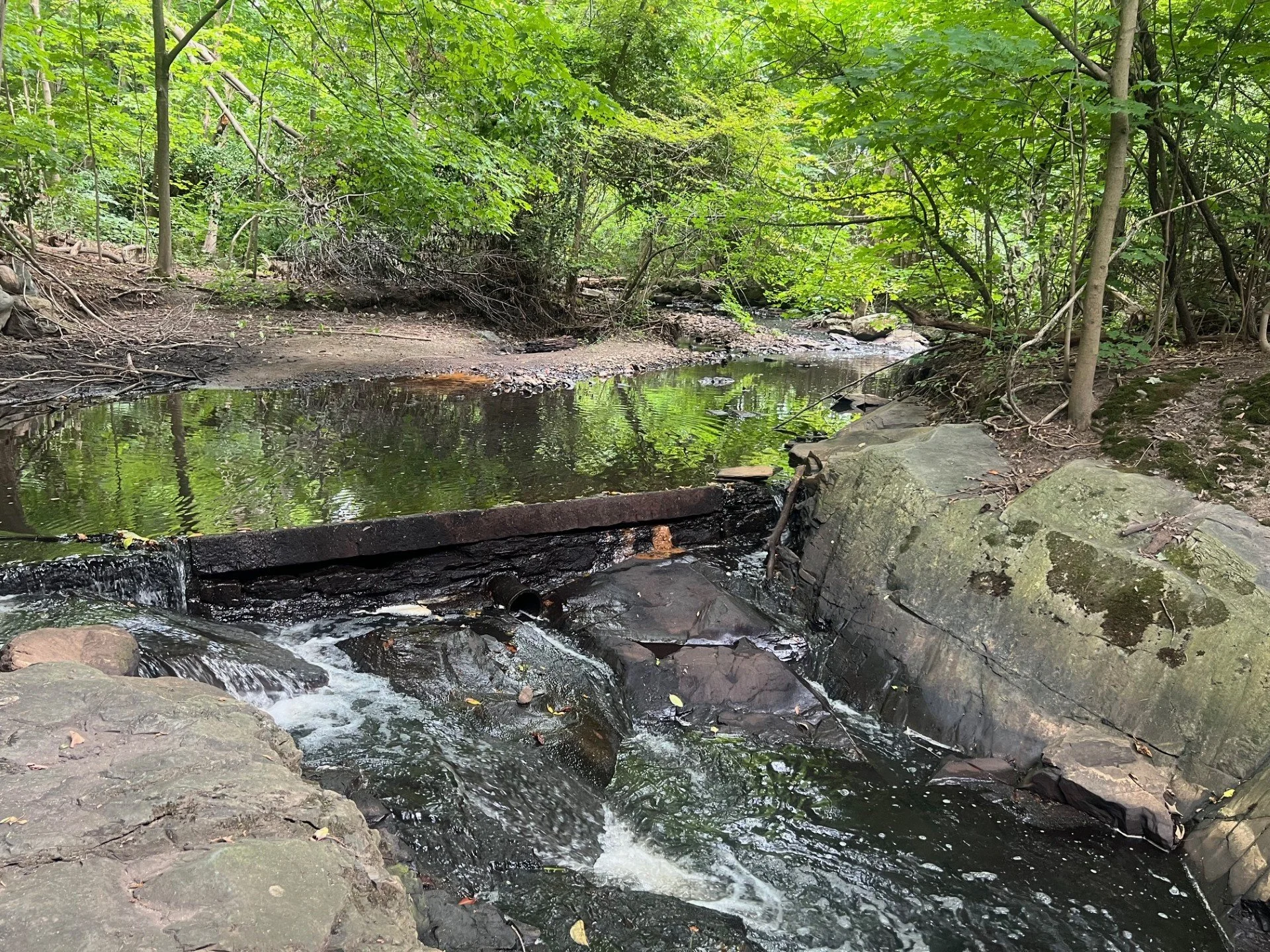
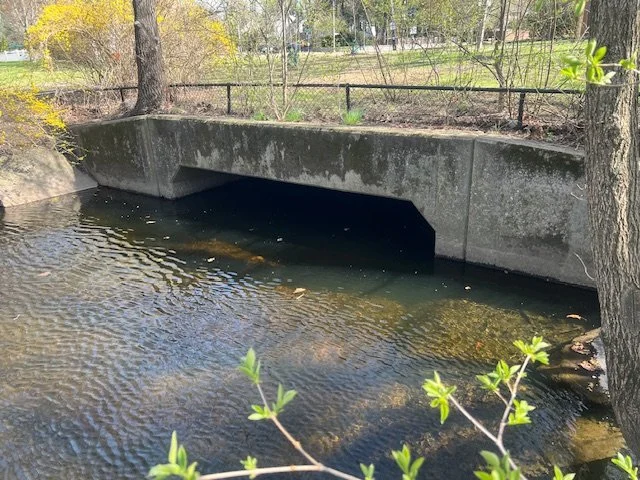
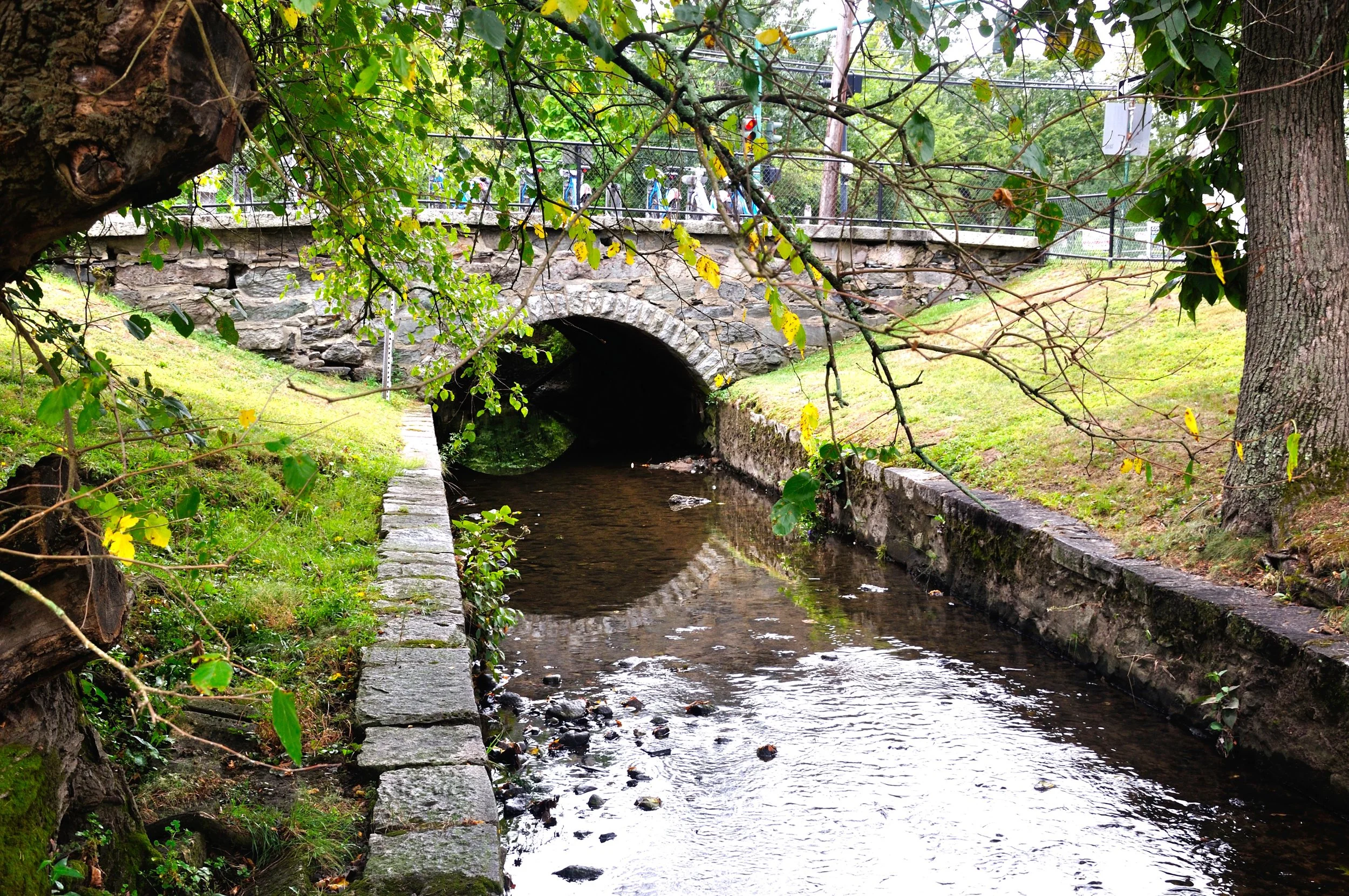
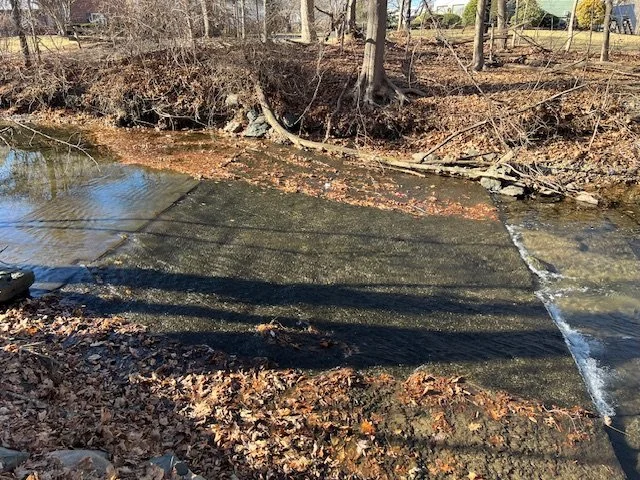
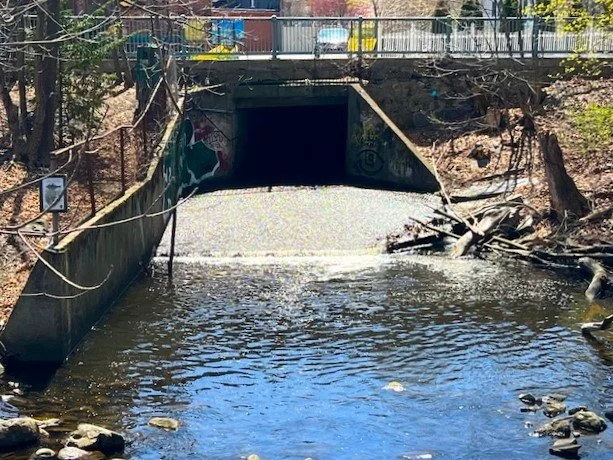
The heart of Newton lies less than eight miles from busy downtown Boston. Newton was first settled in the 1630’s. It was incorporated as a town in 1688 and then a city in 1874. Today Newton boasts over 90,000 residents, the tenth highest population in the state. While there are parcels of protected and undeveloped land, most of the city is heavily developed and considered suburban or urban.
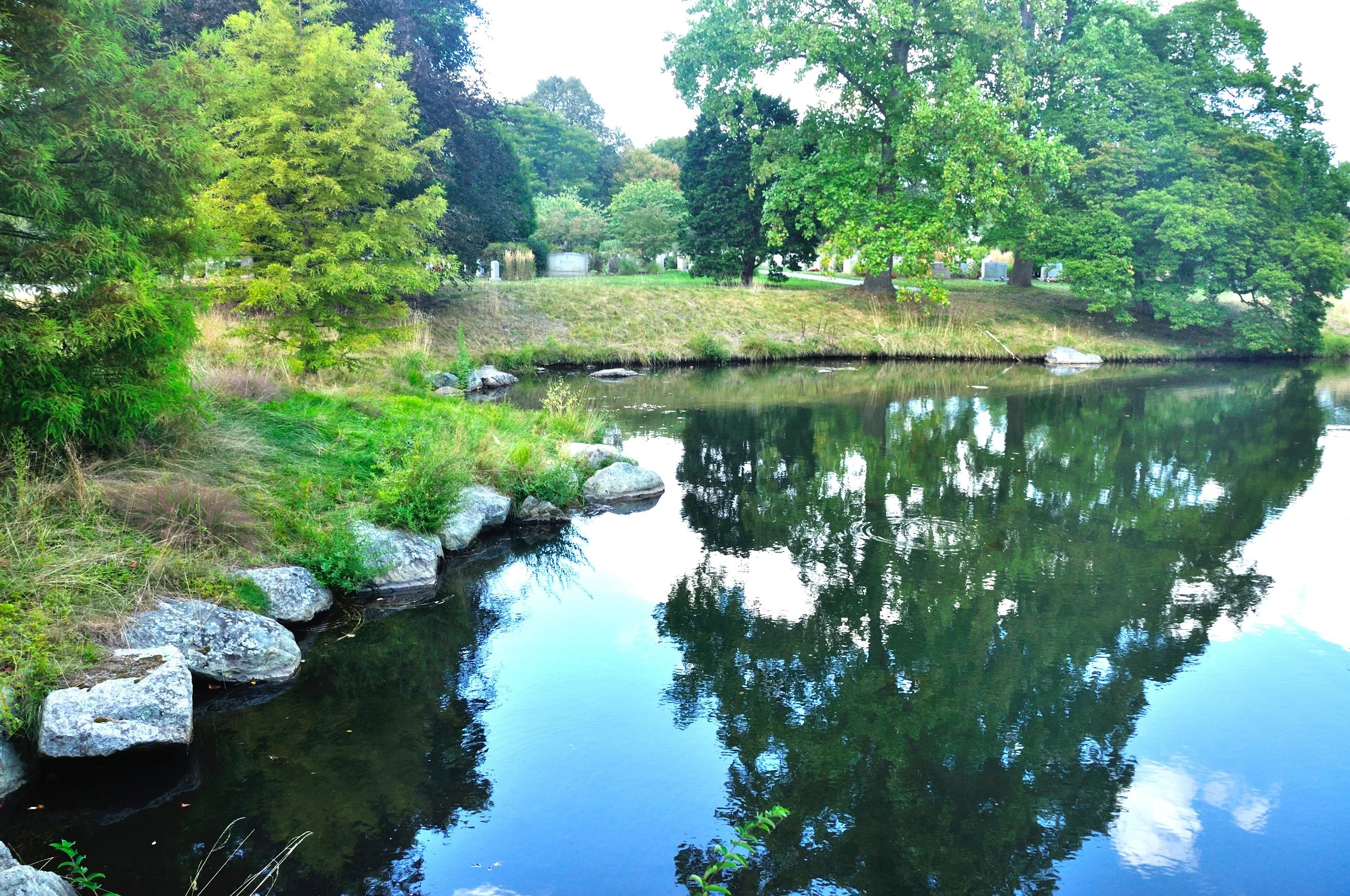
Starting soon after being settled, Newton’s streams were altered to power mills, farm ice, and promote development. A dam built on Laundry Brook, called Smelt Brook at the time, to create Bullough’s Pond dates back to 1664. In 1885, a large cemetery was built in the middle reaches of Cold Spring Brook, converting a free-flowing stream into a series of three impoundments.
Newton is bordered on three sides by the Charles River, the longest river and largest watershed wholly in Massachusetts. It is said that every drop of rain that falls on Newton ends up in the Charles River. The same can be said for streams, they all eventually flow into the Charles River. The Charles River terminates at Boston Harbor.
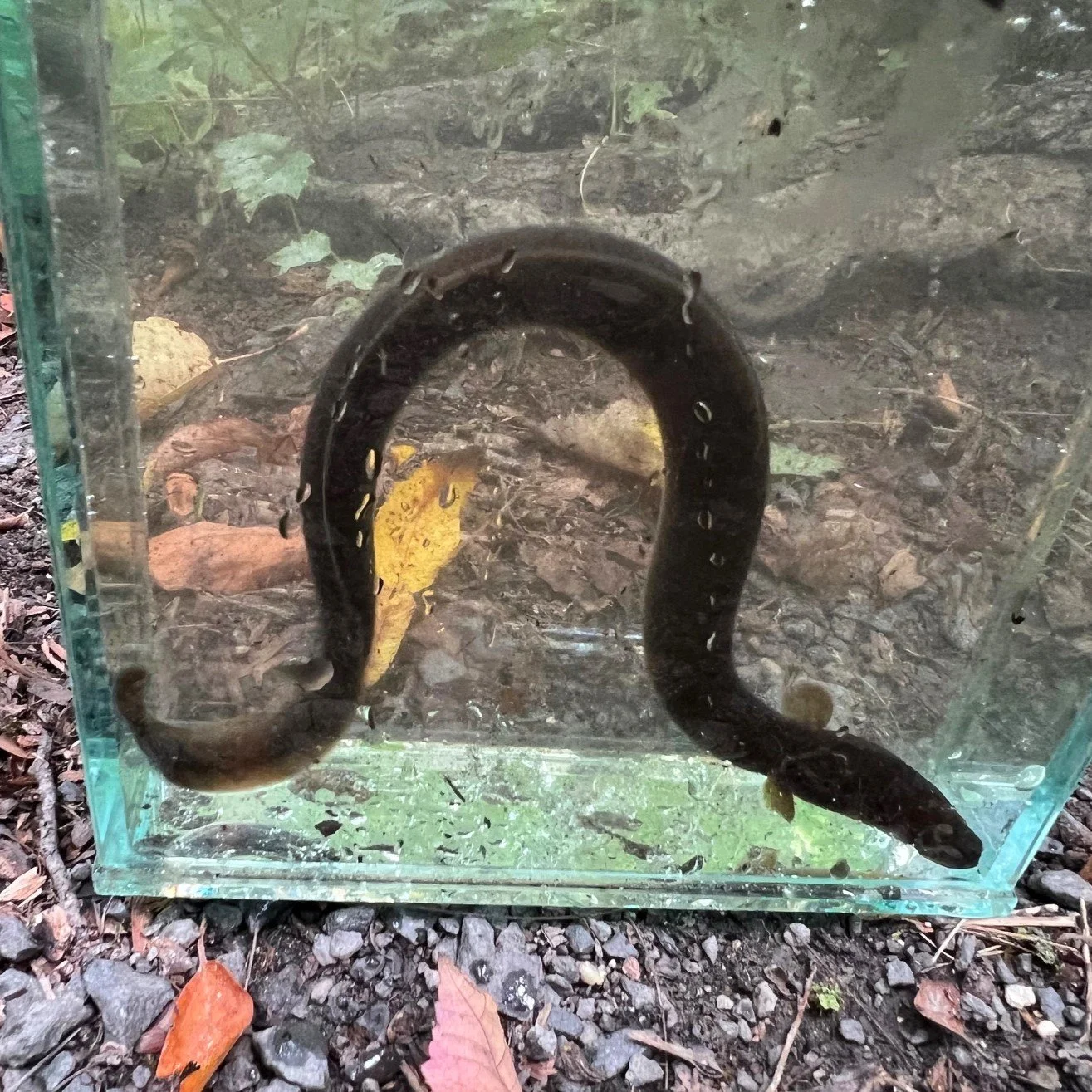
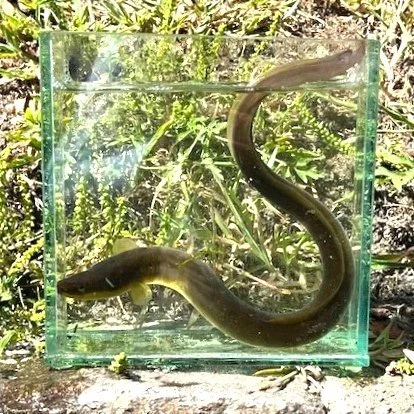
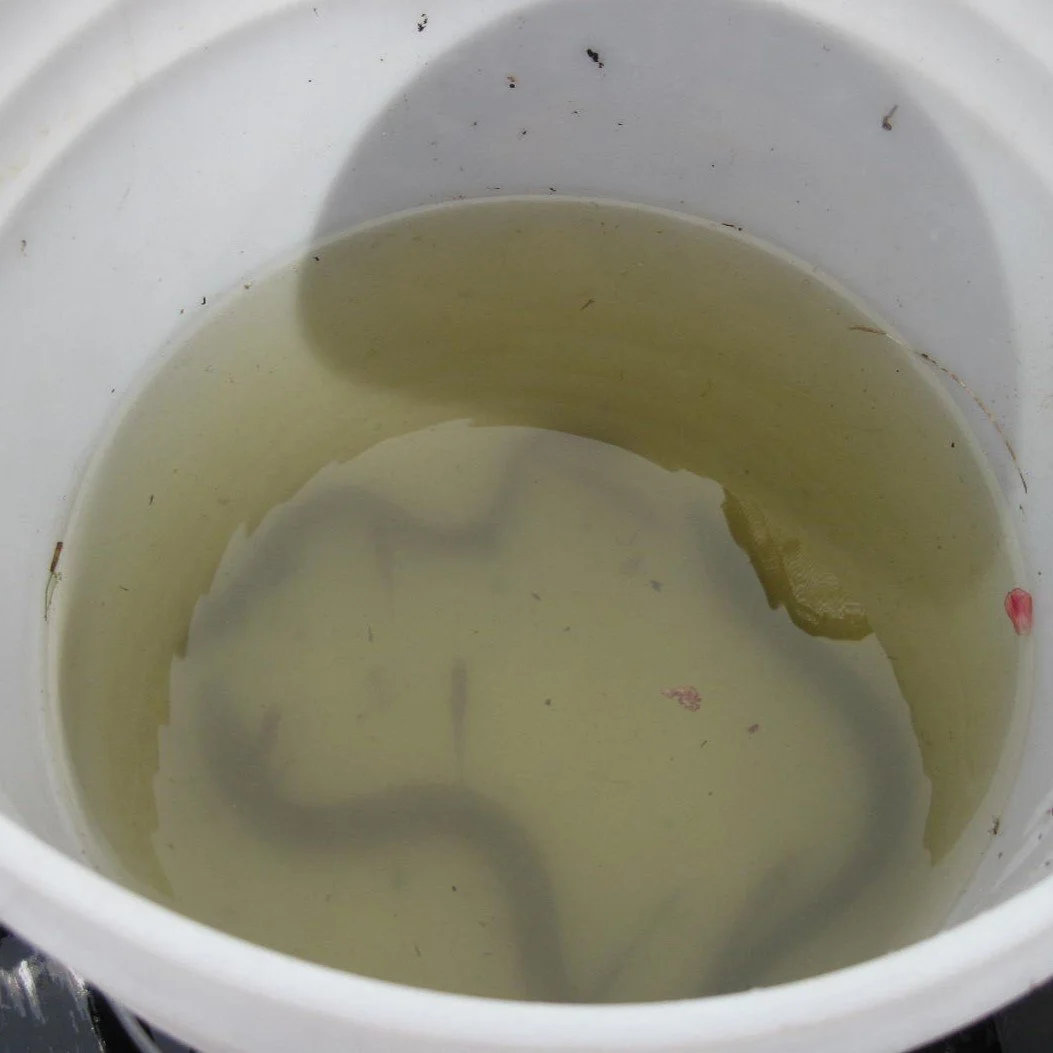
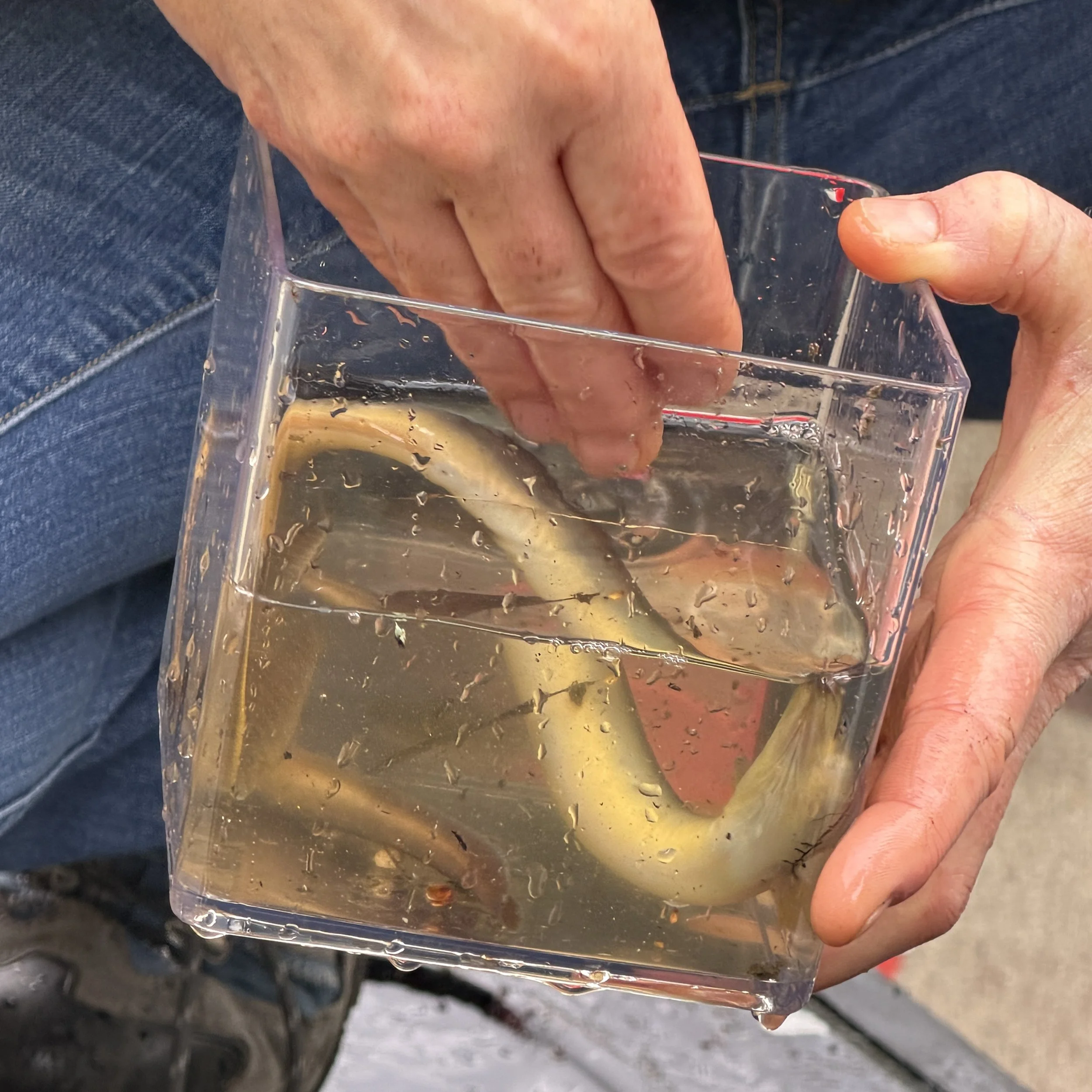
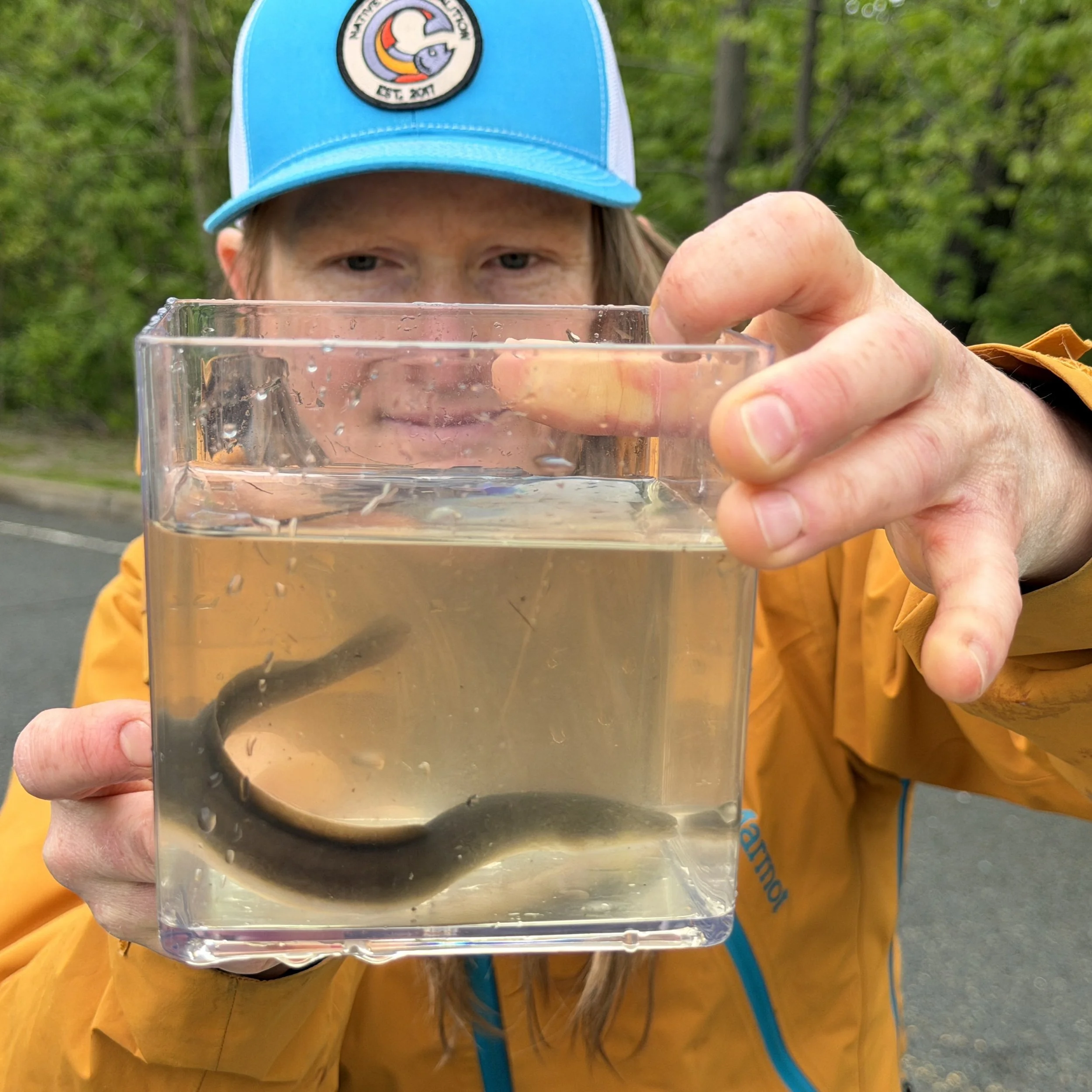
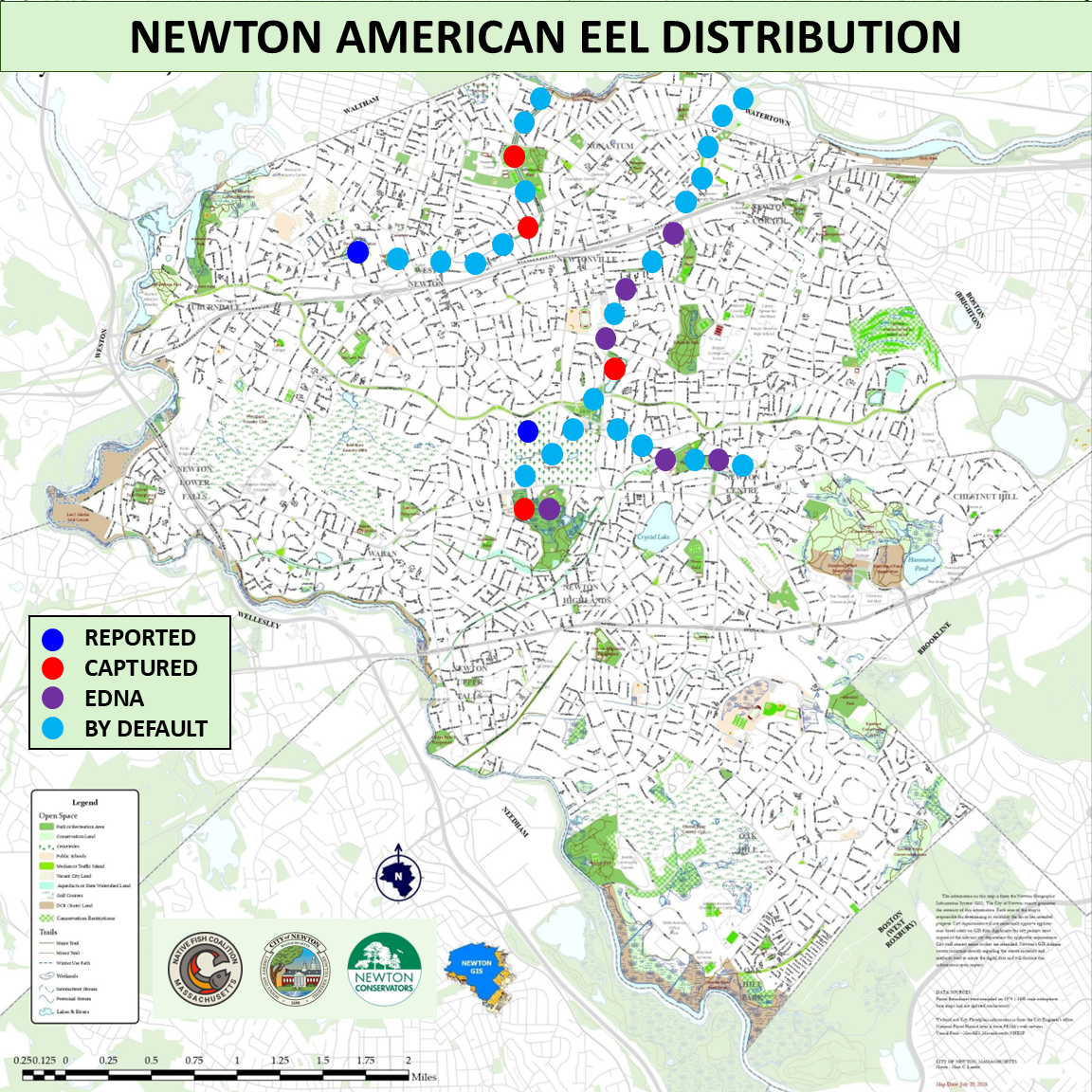
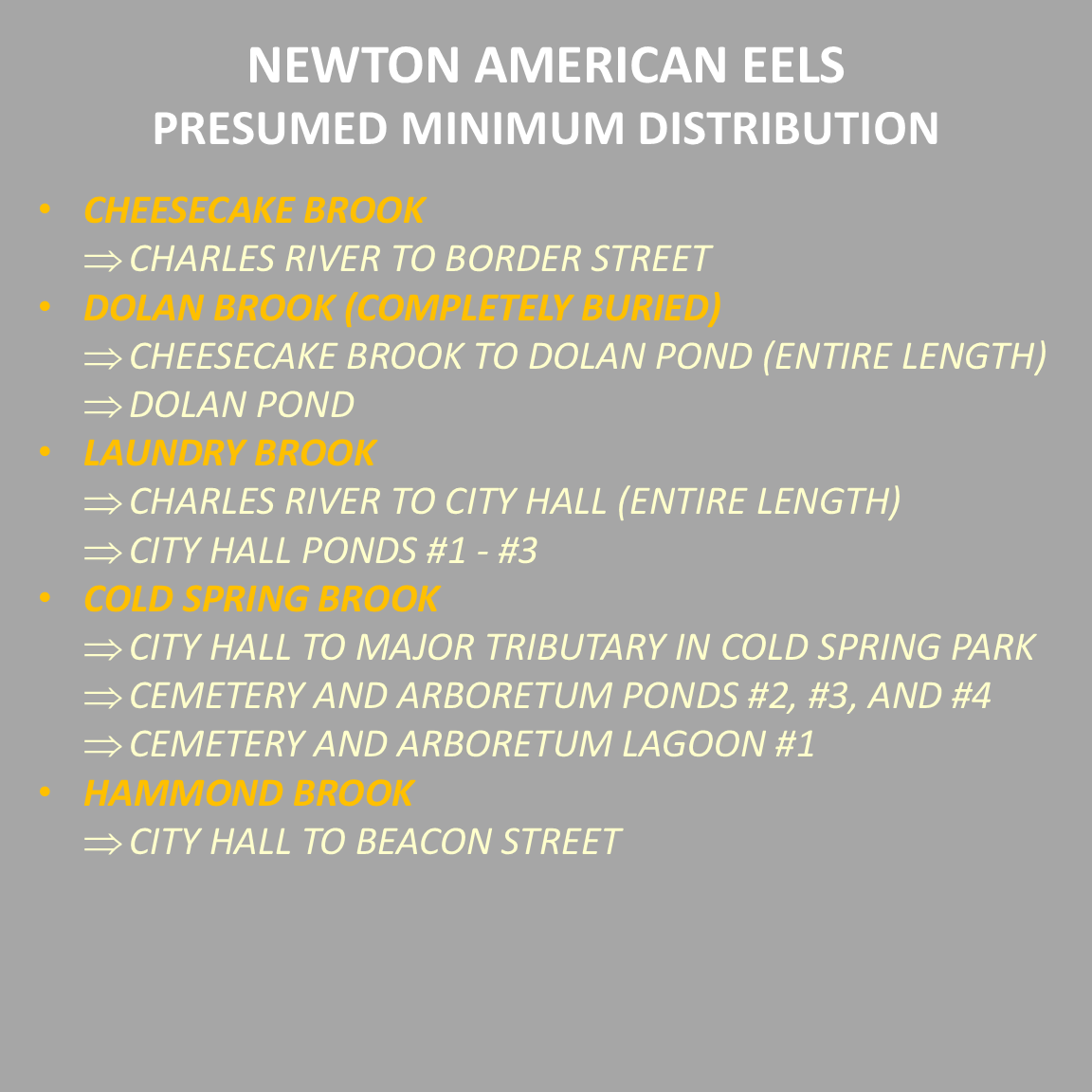
While long believed to be fishless, NFC decided to take a look at Newton’s neglected and overlooked streams. We started at Cold Spring Brook in Cold Spring Park where we confirmed the presence of golden shiners and American eels. Downstream, Cold Spring Brook was found to be home to shiners, pumpkinseed, yellow perch, and eels. We captured pumpkinseed and eels in Bullough’s Pond on Laundry Brook. Cheesecake Brook yielded white suckers and eels, and eels were documented in a tributary.
Recent eDNA metabarcoding surveys sponsored by Newton Conservators on Laundry Brook and Hammond Brook detected a number of species of fish, including eels, in the former, and an apparently robust eel population in the latter. And we hope to expand the eDNA project into 2-3 more streams in Newton next year.
the common denominator
What NFC has learned from our Newton streams projects, is that no matter how badly degraded a stream is, American eels are using it. That these catadromous fish born in the Sargasso Sea are finding their way deep into the interior of Newton is something none of us expected. But it proves that even the most degraded streams are not dead, and where there is life there is hope.